Elevating Workplace Safety with Industrial Overhead Cranes
Why Is Overhead Crane Safety Critical in Industrial Operations?
Industrial overhead cranes manage raising and transporting bulky loads in factories, storage areas, and building sites. Such equipment poses major safety risks in the workplace. These dangers arise when operators handle it improperly. Incidents involving overhead cranes lead to severe harm, damage to assets, and extended downtime. Workers must stick to proper safety steps. They do this to comply with OSHA standards and international safety guidelines.
Operators protect equipment from damage this way. Such protection saves long-term costs for industrial overhead cranes. Productivity stays steady without expensive breaks. These cranes lift from 5t to 320t. They span up to 35 meters. Operators must handle them with care and skill.
Common Hazards Associated with Industrial Overhead Crane Use
Load drops often come from overloading or mechanical failure. So, operators should reduce swinging or shifting. This helps avoid unintended detachment. Crowded workspaces increase the chance of collisions. Weak team communication usually makes this problem worse. Also, many overhead cranes include custom electric hoists. These address electrical risks close to live power lines or in wet settings. They provide better control and safety.
Pre-Operation Safety Measures for Industrial Overhead Cranes
How Should You Inspect an Industrial Overhead Crane Before Use?
Operators check key crane parts visually before each shift. Inspectors look at wire ropes for fraying or kinks. They examine hoist chains for wear or rust. Hooks need to keep their shape without cracks.
Operators test limit switches, brakes, and emergency stop buttons to ensure that these parts work correctly. In addition, they must confirm the crane’s runway alignment, because proper alignment prevents derailing or uneven motion. If the runway is misaligned, it weakens the structure and eventually leads to breakdowns.
The Importance of Daily Operator Checklists
Daily safety checklists set standard inspection steps for all shifts. Checklists catch small problems early. Neglected issues grow into big ones. Regular checklists build operator responsibility. They promote an active safety mindset in the workplace.
Training and Certification for Crane Operators
What Training Is Required to Operate an Industrial Overhead Crane?
Operators complete formal training on load control, emergency steps, hand signals, and crane mechanics. Refresher sessions keep workers current on safety rules and methods.
How Can Companies Ensure Ongoing Competency?
Supervisors use regular skill tests to spot knowledge or performance weaknesses. Simulation tools and online programs recreate real lifting situations. These methods build skills without stopping daily work.
Safe Load Handling Practices in the Workplace
How to Determine Load Capacity Limits for Your Crane?
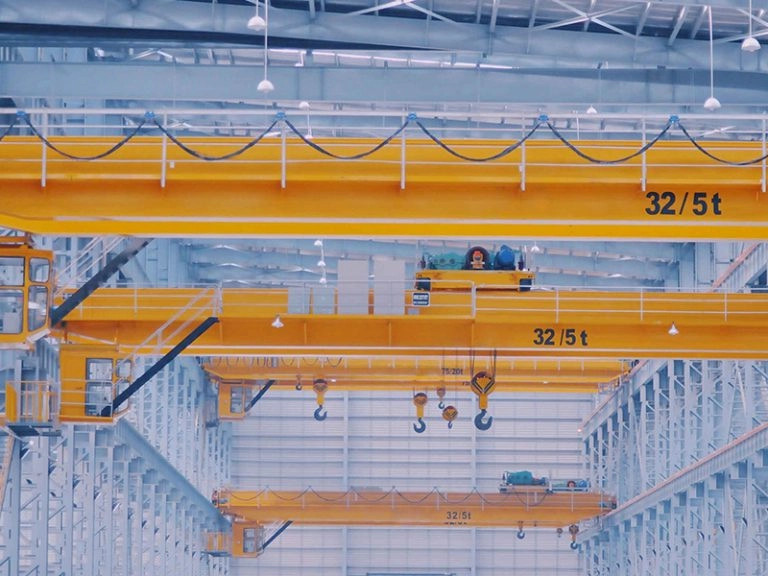
Operators check the manufacturer’s load charts for exact limits by setup. Sling angle, hook spot, and rigging style affect the crane’s real capacity. A FLAGCRANE double girder overhead crane lifts from 5t to 320t. It reaches heights from 6m to 30m. The working class rates A5 to A8. This rating fits medium to heavy tasks.
Best Practices for Lifting, Moving, and Placing Loads Safely
Center the load under the hoist hook before lifting. This step stops the swinging motion. Keep movements slow and steady. Slow speed cuts collision or tip risks. Never let suspended loads go over people. Block foot traffic from lifting areas.
Communication Protocols During Crane Operation
Why Is Clear Communication Essential Among Team Members?
Miscommunication causes early lifts or sudden load shifts. Such mistakes often injure people or damage gear. Good communication lets everyone know their job. It keeps the team aware of the situation.
Effective Use of Hand Signals and Radios During Operation
Standard hand signals guide team actions when people see the operator. Two-way radios work well in loud areas. Radios reduce confusion. Teams rely on them for key lifts.
Environmental Factors That Affect Crane Safety Performance
How Do Temperature, Wind, or Humidity Impact Operation?
Overhead cranes react to weather conditions. FLAGCRANE crane products handle temperatures from -20℃ to 50℃. These cranes suit cold storage or warm plants. Cold weather harms hydraulic lines. It makes parts brittle. Wind endangers outdoor gantry cranes and unbalances hanging loads.
Adapting Operations Based on Environmental Conditions
Schedule lifts for good weather when possible. Wind meters on outdoor cranes give live data. This data helps plan safe lifts.
Emergency Preparedness for Overhead Crane Incidents
What Steps Should Be Taken During Equipment Failure?
If a malfunction occurs during operation, immediately press the emergency stop button. Ensure the area is safe, then contact maintenance personnel. Always perform lockout/tagout procedures before beginning any repair work.
Developing a Site-Specific Emergency Response Plan
The emergency plan clearly defines the responsibilities of all parties in the event of unforeseen incidents such as power outages or equipment failures. Drills can help employees prepare for real-world situations and improve their response speed under pressure.
Maintenance Strategies to Extend Equipment Life
How Often Should You Service an Industrial Overhead Crane?
Service timing matches use level and site conditions. FLAGCRANE’s A5 to A8 class overhead cranes need monthly checks in heavy use. Lighter A3–A4 models follow quarterly plans.
Key Components That Require Routine Inspection
Mechanical Parts
Lubricate hoists, gears, couplings, and brakes. Check them for straight fit or damage.
Electrical Systems
Inspect control panels, limit switches, and wiring covers for rust or loose ties.
Structural Elements
Look at bridge beams, weld spots, end trucks, and trolley parts for bends or breaks.
Enhancing Workplace Productivity Through Safe Crane Use
How Does Safety Influence Operational Efficiency?
Safety steps cut accidents. Companies skip delays from probes or stops. Trained operators trust good equipment. They work faster yet stay careful.
Integrating Safety Technology into Industrial Overhead Cranes
The new FLAGCRANE system includes collision avoidance sensors. These sensors prevent collisions between the bridge and the trolley. A load monitor provides warnings when approaching load limits. Remote monitoring allows for early detection of problems and enables maintenance planning based on real-time data.
Why Choose FLAGCRANE for Your Industrial Lifting Needs?
What Makes FLAGCRANE a Trusted Name in Industrial Overhead Cranes?
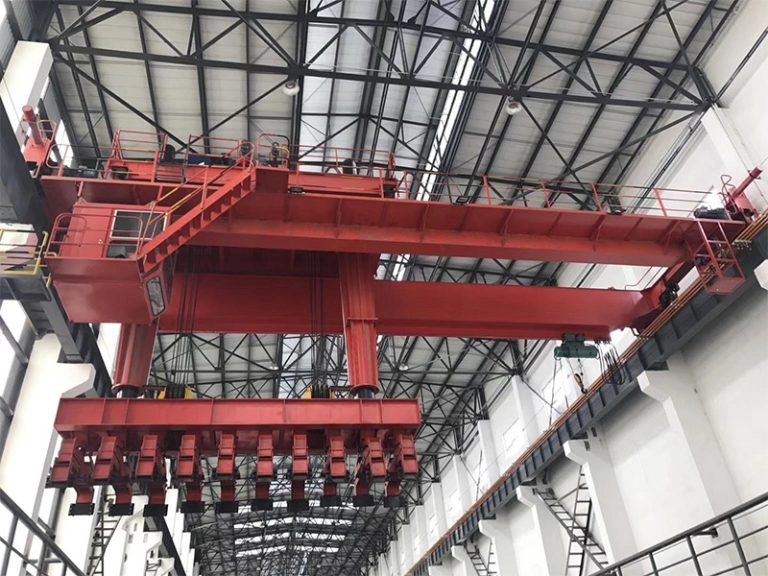
FLAGCRANE supplies custom lifting gear for varied uses. Non-standard items like 800T double girder gantry crane, 360T European style double girder overhead crane, and 225T casting overhead crane show design skills for tough jobs.
FLAGCRANE’s gear passes ISO, CE, SGS, SABER, and other local and global tests. These approvals assure quality.
Which Other Products Does FLAGCRANE Offer Beyond Overhead Cranes?
Gantry Cranes
Lifting from 5t to 320t, gantry cranes fit open yards without roof supports.
Jib Cranes
Jib cranes manage loads near work spots. They stay small but work well.
Electric Hoists
Chain or wire rope types fit with current crane setups.
Crane Components & Accessories
Control panels, end carriages, festoon systems, and radio remotes match many brands.
How Can FLAGCRANE Support Your Facility’s Safety Goals?
FLAGCRANE acts as a full-service provider. FLAGCRANE runs safety training and related classes for cranes and other equipment. Clients get 24/7 support and parts for different crane types.
FAQ
Q: What are common causes of overhead crane accidents?
A: Load drops from overloading or mechanical failure and miscommunication during operation are among the top causes of accidents involving industrial overhead cranes.
Q: How often should an overhead crane be inspected?
A: Daily visual checks should be conducted before each use; more thorough preventive maintenance should occur monthly or quarterly, depending on duty cycle.
Q: What is the maximum lifting capacity of FLAGCRANE’s overhead cranes?
A: FLAGCRANE offers overhead cranes with lifting capacities ranging from 5t up to 320t, depending on the configuration.
Q: Can FLAGCRANE customize cranes for special industry requirements?
A: Yes, FLAGCRANE designs and produces non-standard equipment such as 800T gantry cranes and 225T casting overhead cranes tailored to specific industry needs.
Q: Does FLAGCRANE provide training for crane operators?
A: Yes, FLAGCRANE offers operator training programs tailored to client requirements, enhancing operational safety and efficiency.