Choosing Between Overhead Cranes and Gantry Cranes: What You Need to Know
Space Utilization Capacity and Structural Requirements
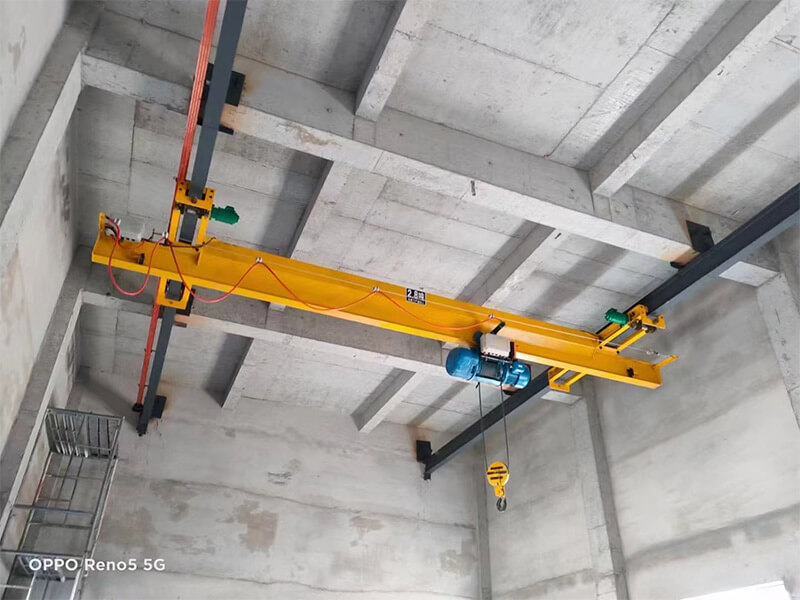
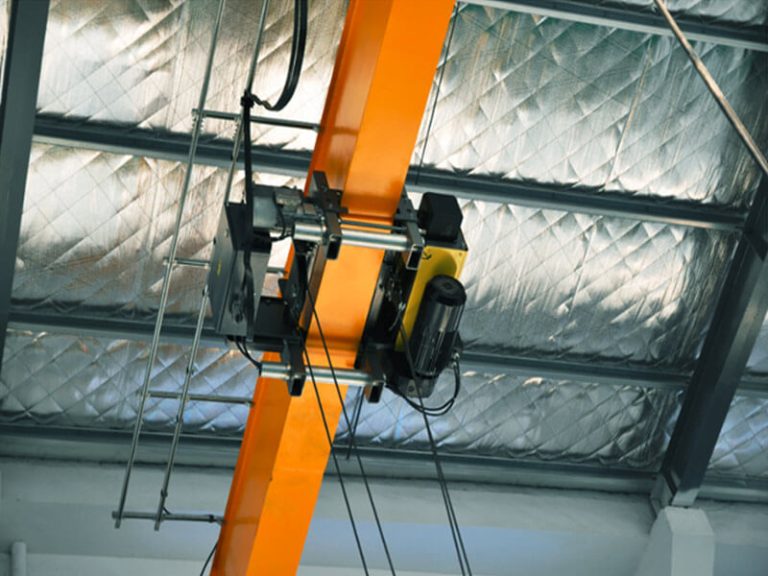
When picking between an overhead crane and a gantry crane, knowing the spatial and structural factors matters. Overhead cranes run on fixed runway beams built into the building’s framework. This kind of setup works well in indoor spots such as factories and warehouses. Indoor spots value saving vertical room. Overhead crane setups perform best at saving vertical space in factories.
By comparison, gantry cranes stand on independent legs that move along tracks or wheels. This arrangement matches locations without ceiling backing. Gantry cranes travel on rails or wheels and fit open yards or spots without a ceiling backing. Builders frequently select gantry cranes for brief projects, like construction sites or outdoor storage yards.
Flexibility in Movement and Installation
A key difference between overhead cranes and gantry cranes centers on mobility. Gantry cranes offer solid flexibility because operators move them to different work spots without trouble. Gantry cranes bring mobility and move without trouble across various work zones. These qualities fit projects requiring relocation or facilities that change layouts often.
Overhead cranes require more permanent setups. Installers attach them to the building’s framework, and overhead cranes travel along a fixed route. This approach produces steadier and more precise handling in controlled environments. Overhead cranes act as more permanent setups and deliver steadier handling along a fixed route.
For brief lifting operation or outdoor environments, gantry setups often rank as the best option. Gantry setups often rank as the preferred option for temporary or outdoor hoisting operation.
Application Suitability Based on Load and Environment
The intended purpose of the crane also guides the selection of the system. Overhead cranes see common use in indoor industrial zones, such as manufacturing plants, assembly lines, and warehouses. Overhead cranes function well in manufacturing plants, assembly lines, and warehouses.
Gantry cranes show value in outdoor or partly covered sites like shipyards and construction zones. Gantry cranes match shipyards, construction sites, and areas with restricted room.
The selection between the two hinges mostly on load weight, lift frequency, and workspace arrangement. For example, FLAGCRANE’s heavy-duty gantry cranes manage up to 800 tons with spans up to 35 meters and lifting heights of 30 meters. FLAGCRANE’s heavy-duty gantry cranes match large outdoor applications. Lifting Capacity: 5t to 800t Span: 7.5m to 35m Lifting Height: 6m to 30m
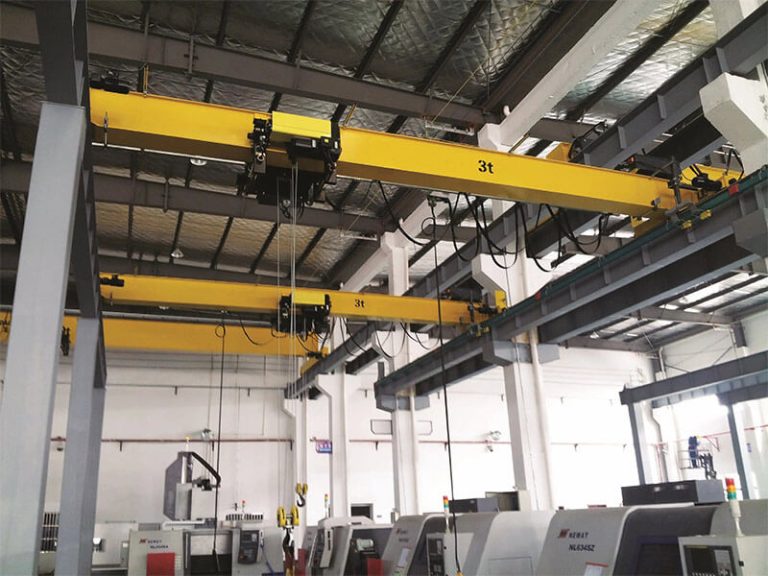
How Factory Conditions Influence Crane Selection
When Building Structure Limits Overhead Crane Installation
Not every building supports an overhead crane system. Structures without sufficient ceiling strength or runway beams turn to gantry crane choices. Structures lacking ceiling strength or runway beams benefit from gantry crane choices.
Besides, works performed outdoors or in open-top areas demand standalone gantry cranes. Standalone gantry cranes operate without depending on existing structures for backing. Outdoor works without a roof backing need standalone gantry cranes.
Cost savings represent another plus. Gantry cranes lower setup costs where alterations for an overhead system cost too much. Gantry cranes cut installation costs where framework changes prove unfeasible.
Meeting High Tonnage Lifting Requirements Efficiently
When managing heavy loads indoors, overhead cranes gain an edge in stability and efficiency. Overhead crane systems deliver greater lifting capacity with improved stability.
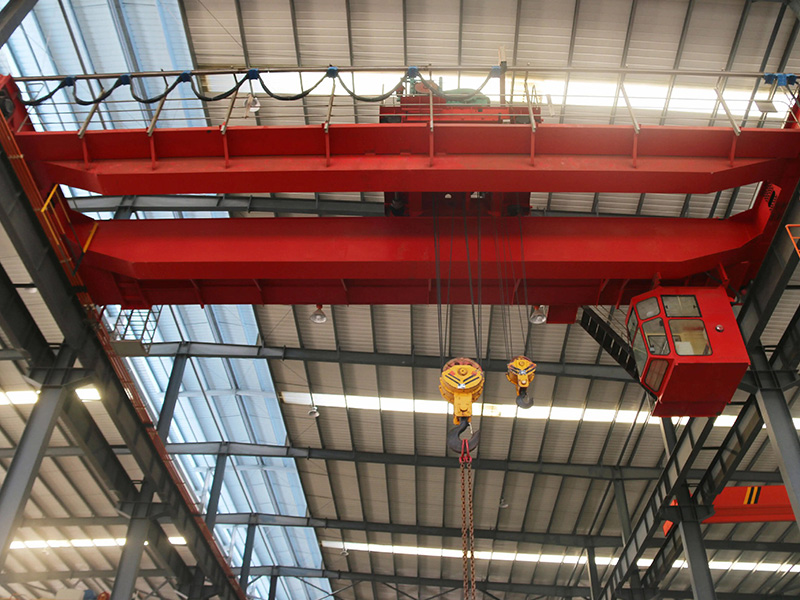
Double girder versions manage heavier loads over longer spans quite effectively. Double girder overhead cranes handle major loads across wider spans successfully. For example, FLAGCRANE offers double girder overhead cranes with lifting capacities ranging from 5 tons to 320 tons. Double girder overhead cranes handle spans between 7.5 and 35 meters. Moreover, lifting heights reach as high as 30 meters. Double girder overhead cranes function in classes A5 through A8. Lifting Capacity: 5t to 320t Span: 7.5m to 35m Lifting Height: 6m to 30m Working Class: A5, A6, A7, A8
For indoor tasks that require high safety standards and dependable performance, overhead setups excel.
What Makes FLAGCRANE a Reliable Choice?
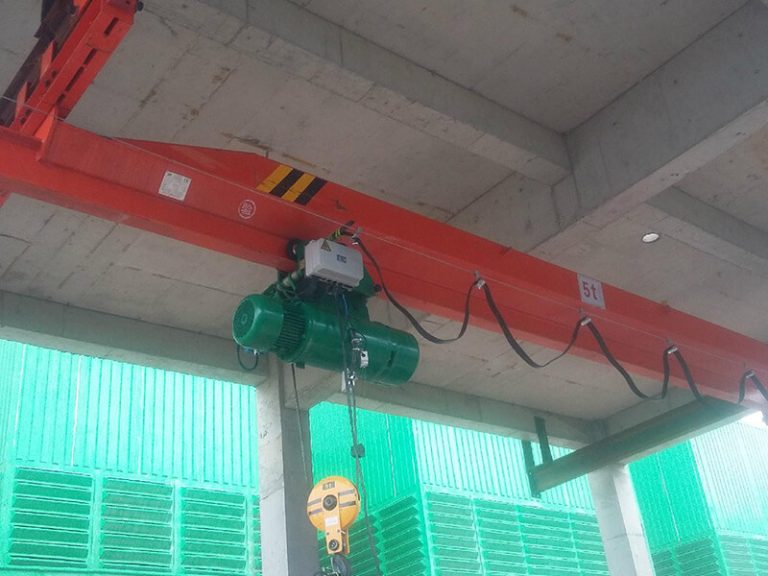
Why Choose FLAGCRANE as Your Lifting Partner
FLAGCRANE excels in the material handling sector. The company provides a broad product range. FLAGCRANE also emphasizes new concepts, custom choices, and eco-friendly practices.
Overhead Crane Solutions
FLAGCRANE delivers a full range of overhead crane systems, including single girder, double girder, and bridge cranes. The company tailors these to match factory sizes and load requirements. Custom designs draw from factory sizes and load requirements. For instance, the 360T European-style double girder overhead crane displays solid engineering for demanding works.
Modern control systems guarantee precise actions and secure operation. Modern control systems handle precision and safety.
Gantry Crane Solutions
For companies seeking portable or adjustable lifting choices, FLAGCRANE supplies portable gantry cranes with spans up to 31.5 meters and capacities up to 32 tons. Portable gantry cranes fit workshops or maintenance zones. Lifting Capacity: 2t to 32t Span: 7.5m to 31.5m Lifting Height: 6m to 18m
FLAGCRANE also supplies heavy-duty gantry cranes for outdoor operation such as shipyards. One case involves the delivery of an 800T double-girder gantry crane built for port logistics.
Modular builds enable easy transport and relocation. These traits increase practicality in diverse environments.
Complete Material Handling Portfolio
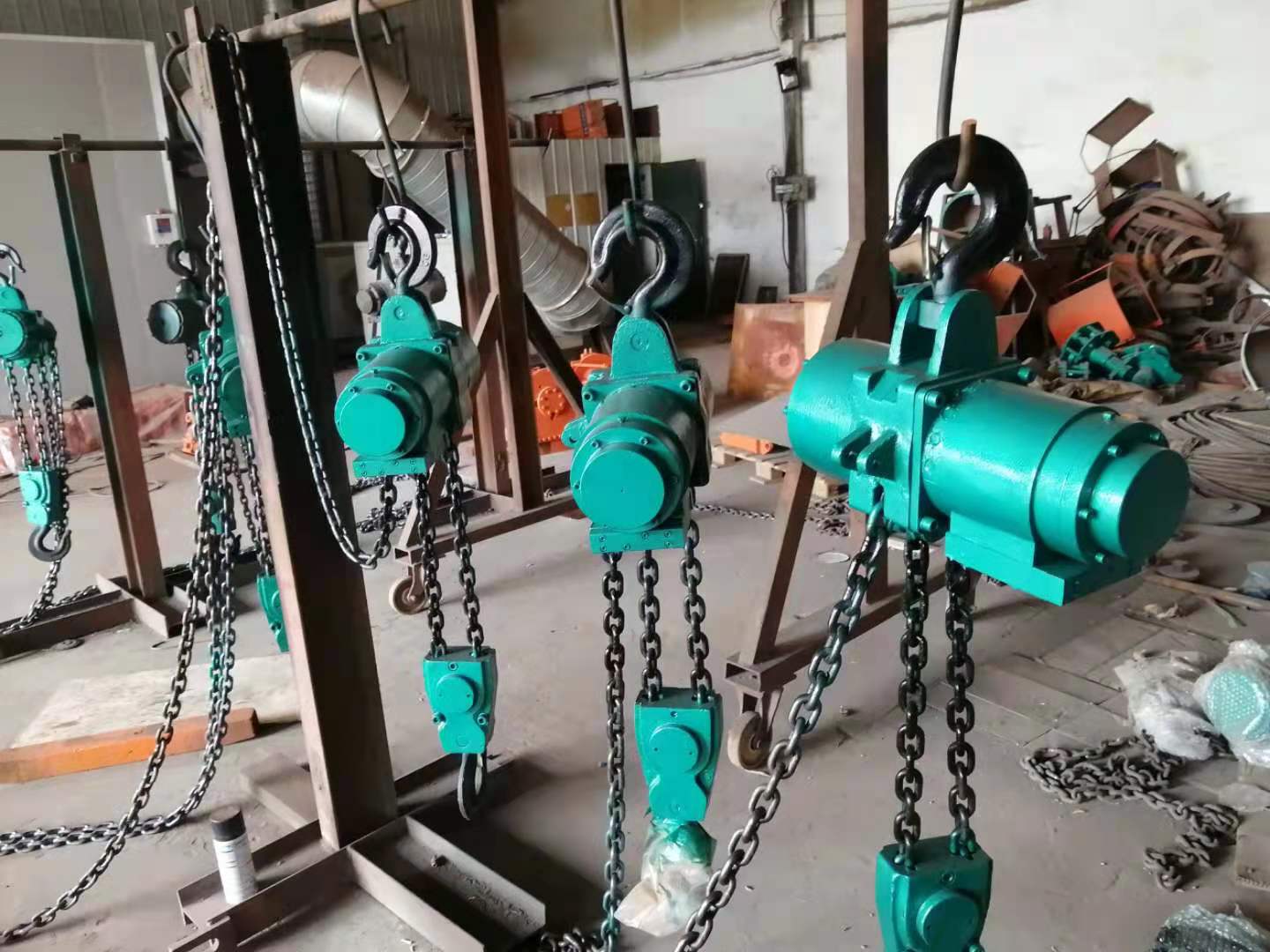
Besides basic lifting equipment, FLAGCRANE creates jib cranes for nearby workstation tasks and electric hoists that connect with multiple crane types. This arrangement supports fluid material handling across sections.
As a complete provider, FLAGCRANE supplies tailored lifting choices for sectors like steel production, mining, paper manufacturing, and more.
We provide professional customized lifting equipment for customers with different applications and needs, with successful installations in over 50 countries, including the USA, Germany, Chile, Brazil, Italy, and Spain.
What stands out about FLAGCRANE is how it weaves eco-conscious design into every phase of creation. Energy-saving drives power its systems instead of high-consumption alternatives. Where possible, parts are built to be reused or repurposed after service life ends. Factory-level processes aim to minimize harm to natural resources during assembly and production runs.
FAQ
Q: What is the difference between an overhead crane and a gantry crane?
A: An overhead crane runs on fixed runways built into a building’s ceiling structure. A gantry crane travels on wheels or rails. This setup requires no ceiling support.
Q: Which crane type is better for outdoor use?
A: Gantry cranes fit outdoor settings well. The freestanding design provides strong mobility.
Q: Can overhead cranes be customized based on factory space?
A: Yes, FLAGCRANE provides made-to-order overhead cranes. These cranes adjust to factory dimensions and load specifications.
Q: What industries commonly use overhead gantry cranes?
A: Sectors like manufacturing, steel processing, paper production, mining, and shipbuilding often rely on both overhead and gantry crane types. The choice depends on specific needs.
Q: How does FLAGCRANE ensure safety in its crane systems?
A: FLAGCRANE builds in modern control systems for exact movements. The company also provides training programs. These steps boost operational safety in various industries.