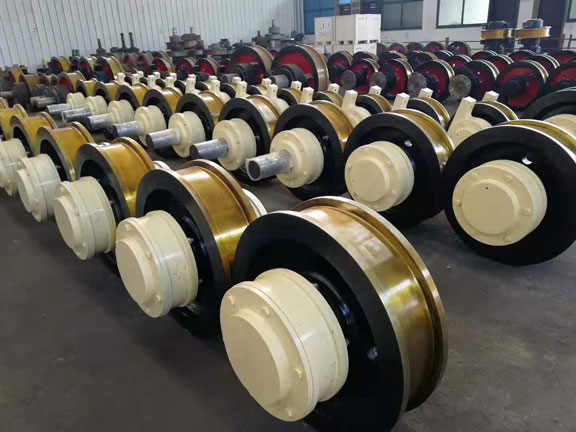
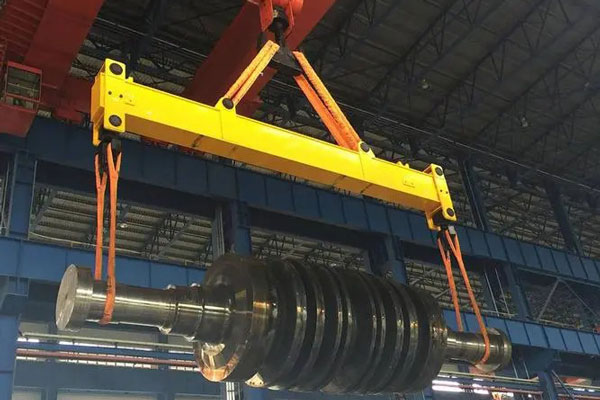
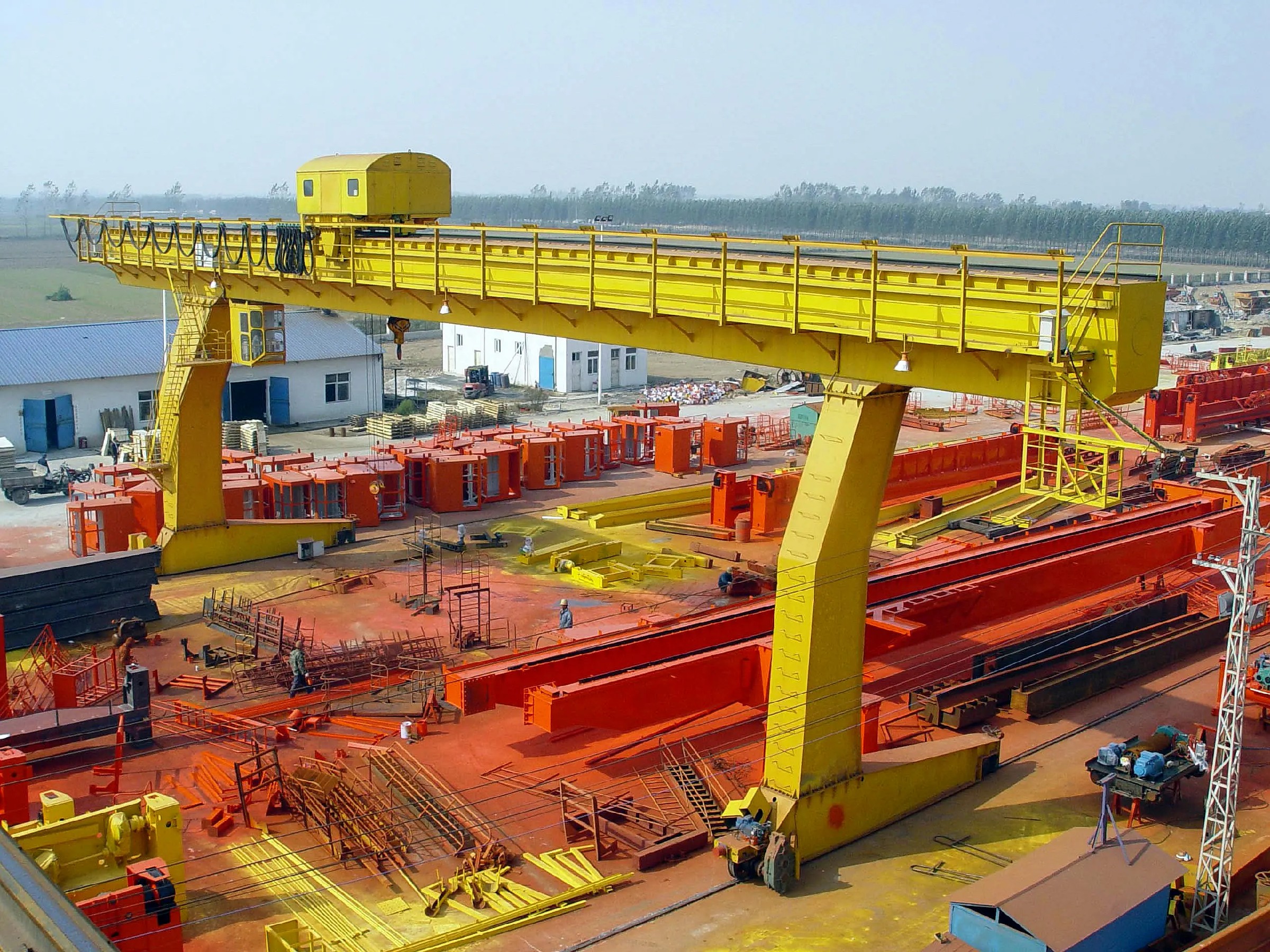
Introduction to Overhead Cranes in Industrial Applications
Industrial overhead cranes act as vital tools in modern manufacturing and warehousing sectors. Engineers build these systems to raise, shift, and place heavy materials well within buildings. This method reduces manual effort and decreases safety hazards greatly. Material handling automation safeguards employees and raises output. Common applications occur in fields such as automotive, steel making, logistics, and building work. Demanding lifts and precise material shifts make up core elements of routine tasks in those areas.
How Overhead Cranes Enhance Operational Efficiency
Overhead cranes reduce idle time through key methods. They carry materials quickly across broad spaces inside a building. That process shortens delays between manufacturing phases. Accurate load placement emerges as a major plus. Operators manage the most massive loads with simple operation. This operation guarantees a precise setup. It lessens item harm and preparation periods.
Newer overhead crane models link smoothly with automation tools. These cranes operate together with belts, detectors, and robot limbs. Such integration refines processes. It suits Industry 4.0 intelligent production settings as well.
Core Mechanical Principles of Overhead Cranes
The Role of Levers in Lifting
Levers make up a core element in overhead crane construction. Levers distribute mass uniformly across the frame. This concept decreases the power required by the winch to raise a burden. The result improves output and security.
Pulleys for Load Distribution and Movement
Pulleys change the direction of effort and boost raising strength. Overhead cranes employ pulleys to hold the winch rope arrangement. Pulleys allow upward movement. Massive burdens ascend steadily without sudden pulls or unsteadiness.
Hydraulic Cylinders for Powering Movements
Hydraulic cylinders show up frequently in portable or arm cranes. Certain unique overhead crane designs include them. These elements deliver managed raising or angling power. Detailed command of motion remains crucial for delicate or uneven burdens.
Mechanical Advantage in Crane Design
Mechanical advantage indicates the effort amount needed to raise a burden. Overhead crane plans account for this element. Plans refine winches, carts, levers, and pulleys. An effective arrangement conserves power. It maintains strong raising limits too.
Types of Industrial Overhead Cranes
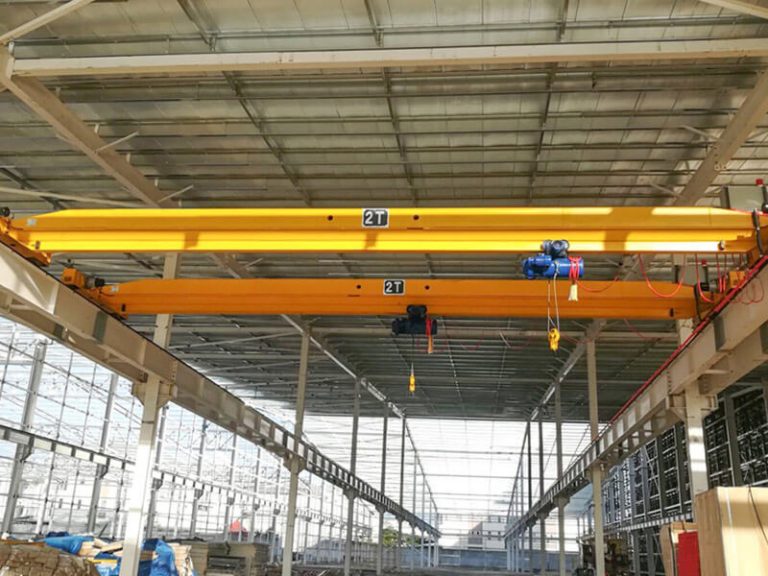
Single Girder Overhead Cranes
Single girder cranes fit modest jobs. Single girder cranes range from 1t to 32t. Buildings with tight rooms or average burdens gain from their low price and compact form. Lifting Capacity: 1t-32t, Lifting Height: 6m-30m, Span Length: 7.5m-28.5m, Working Class: A3, A4.
Double Girder Overhead Cranes
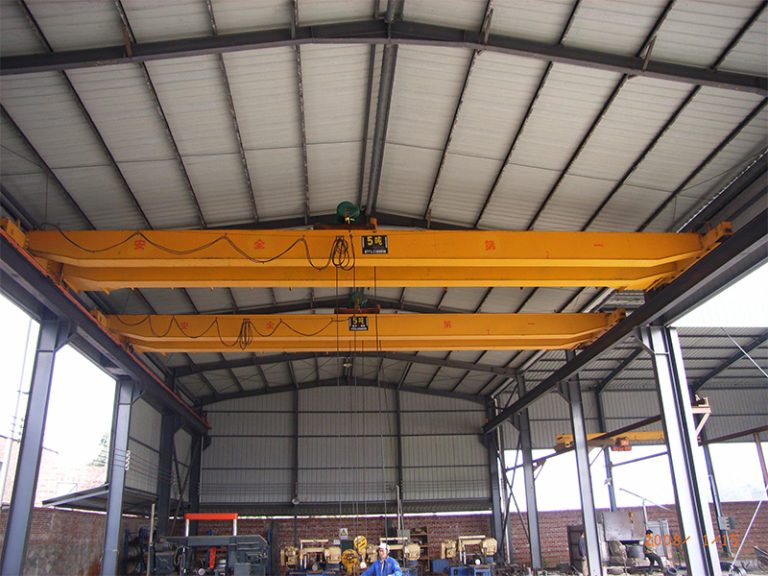
Double girder cranes deal with demanding jobs. Double girder cranes cover bigger distances and taller raises. Lifting Capacity: 5t to 800t, Span: 7.5m to 35m, Lifting Height: 6m to 30m. The sturdy frame suits steel plants or large equipment making.
Gantry Cranes vs. Bridge Cranes
Gantry cranes travel along ground-fixed tracks. Workers apply gantry cranes outside or in spots without a roof backing. Bridge cranes depend on the building frame. Bridge cranes function on elevated paths.
Top Running vs. Under Running Cranes
Top running cranes roll on tracks positioned over beam paths. Top running cranes bear greater limits. Under running cranes glide beneath the lower edge of beams. Under-running cranes perform nicely in spots with reduced overhead clearance.
Key Structural Components of an Overhead Crane System
Every industrial overhead crane contains a few primary elements:
- Bridge Beam and End Trucks: These span the width of the facility and support the trolley.
- Trolley and Hoist Mechanism: Moves laterally along the bridge while the hoist lifts vertically.
- Runway System and Electrification: Enables horizontal travel across the workspace via conductor bars or festoon systems.
FLAGCRANE offers tailored lifting gear for diverse purposes. Every element suits the job setting and required roles.
Maintenance Tips for Long-Term Performance
Everyday inspections include wire ropes, brakes, and oil levels. Regular monthly exams aim at power setups and part erosion. Upkeep actions such as oiling components and changing damaged pieces, lengthen crane durability. These actions lower idle time expenses.
Selecting the Right Overhead Crane for Your Facility
Several elements guide the selection method:
- Load Capacity: Pick based on the heaviest item handled.
- Facility Layout: Factor in ceiling height, floor space, and existing structures.
- Frequency of Use: Higher use calls for better working-class ratings.
- Duty Cycle: Continuous operations need heavy-duty systems.
Working Class: A5, A6, A7, A8; Ambient Temperature: -20℃ to 50℃ — FLAGCRANE builds systems to fit these needs.
FLAGCRANE: A Trusted Partner for Overhead Cranes
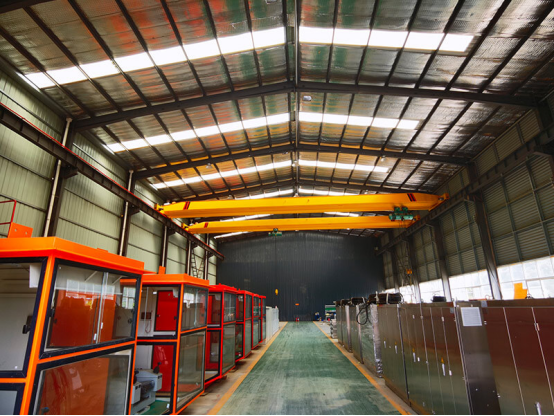
FLAGCRANE excels in the overhead crane area with emphasis on personalization and standards. FLAGCRANE functions as a skilled group firm. FLAGCRANE handles crane planning, building, selling, setup, follow-up care, and upkeep. The company delivers options customized for purposes:
- Single Girder Cranes: Lifting Capacity: 1t–32t; Span: up to 28.5m
- Double Girder Cranes: Up to 800t capacity; customizable spans and heights
- Customized Gantry Cranes: Ideal for outdoor or rugged environments
- Electric Hoists: Low-maintenance solutions integrated with advanced safety features
- Jib Cranes: Perfect for workstations or areas with space constraints
Beyond item standards, FLAGCRANE highlights eco protection in production. This approach aligns with worldwide eco drives.
FLAGCRANE provides complete support as well. Support covers planning talks, skill sessions for security, updates for dated setups, and nonstop follow-up aid. Our professional service team stands ready for 24/7 after-sales services.
Conclusion
Overhead cranes boost output via improved burden management, precise setup, and ties to automation tools. The proper industrial overhead crane model fits exact purposes such as burden limit and building design. FLAGCRANE offers various overhead crane models. Skilled planning and follow-up aid guarantee enduring dependability.
FAQ
Q: What is an industrial overhead crane used for?
A: Industrial overhead cranes raise and carry heavy materials through a building in a secure and solid manner. Warehouses, manufacturing plants, and construction sites often use them.
Q: How does an overhead crane achieve mechanical advantage?
A: Overhead cranes obtain mechanical advantage through levers and pulleys. Levers and pulleys distribute mass uniformly and reduce the raising effort needed.
Q: What are the main types of overhead cranes?
A: Main types of overhead cranes include single girder, double girder, gantry cranes, bridge cranes, top-running cranes, and under-running cranes.
Q: How do I choose the right overhead crane for my warehouse?
A: Examine burden demands, ceiling clearance, room on hand, operation rate, and inside or outside arrangement for the task.
Q: Why choose FLAGCRANE for overhead cranes?
A: FLAGCRANE supplies personalized options up to 800 tons capacity, solid mechanical setups like lever-pulley arrangements, eco production ways, expert setup, and aid in over 50 countries.