Understanding Freestanding Bridge Cranes
What Is a Freestanding Bridge Crane?
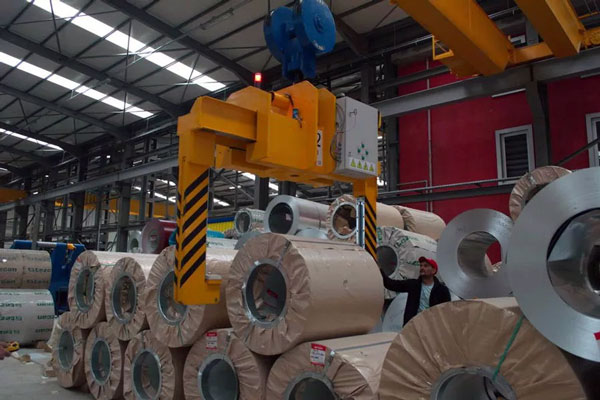
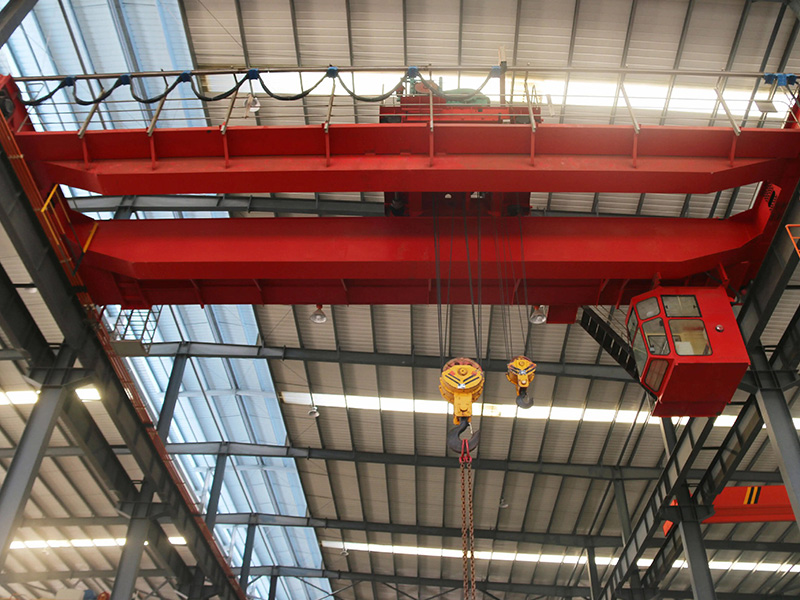
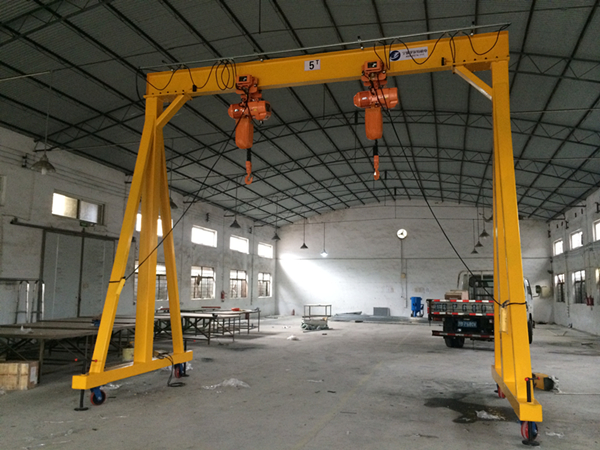
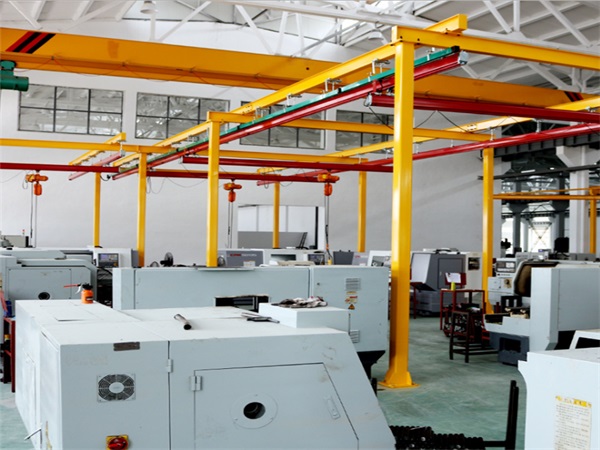
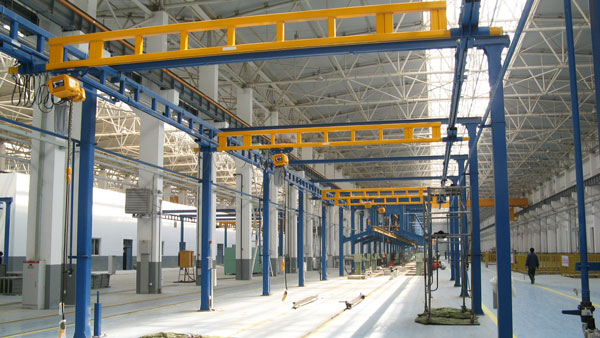
A freestanding bridge crane is an overhead crane system supported by its own columns and runway beams. The system operates separately from the building structure. Freestanding bridge cranes fit facilities where ceiling-mounted systems prove unworkable. Freestanding bridge cranes work effectively for jobs requiring flexible placement. These cranes handle loads ranging from light-duty 0.5t to heavy-duty 320t. Spans extend from 3m to 35m. Freestanding bridge cranes provide a practical option for diverse industrial uses. FLAGCRANE supplies expert, tailored lifting gear to clients facing varied uses and demands. FLAGCRANE creates and builds custom gear such as the 800T double girder gantry crane, the 360T European style double girder overhead crane, the 225T casting overhead crane, and more.
Where Are Freestanding Bridge Cranes Most Commonly Used?
Freestanding bridge cranes appear often in many industries:
·Manufacturing Floors: For repetitive lifting of components, machinery, or assemblies.
·Warehouses: Ideal for moving heavy or oversized materials safely and efficiently.
·Maintenance Areas: Provides overhead access for servicing large equipment or systems.
FLAGCRANE supplies a broad selection of lifting and handling systems. The selection fits every lifting demand – from heavy-duty processes to clean-room applications and harsh environment lifting equipment.
Key Factors to Consider When Selecting a Freestanding Bridge Crane
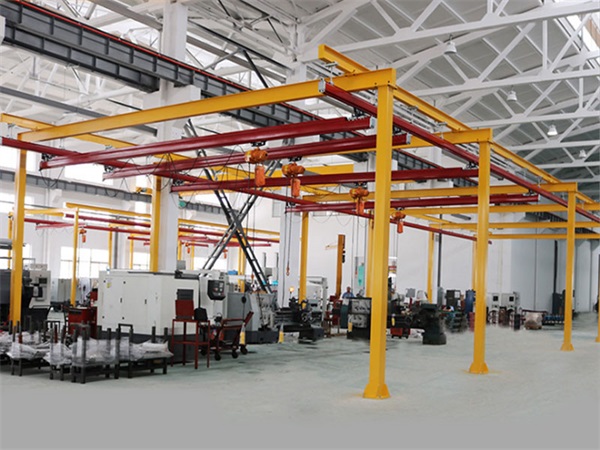
How Much Weight Will the Crane Need to Lift?
Selecting the correct capacity proves vital. The chosen freestanding bridge crane must equal or surpass the heaviest regular load. Overloading brings risks of structural breakdown and safety issues. Lifting Capacity: 5t to 320t, with working classes ranging from A3 to A8 depending on usage intensity.
Consider future demands, too. If the workload might grow, choosing a stronger-capacity model makes good sense. FLAGCRANE possesses the ability to update and adjust all current cranes into high-performance lifting gear.
What Span and Coverage Area Do You Need?
The span measures the width between runway rails. Make sure the span fits the workspace needs. The span avoids blocking movement routes. Greater spans bring more freedom in layout and equipment paths. FLAGCRANE supplies cranes with spans from 7.5m to 35m. These spans work for both small and large industrial spaces.
Does Your Facility Have Enough Height and Clearance?
Check ceiling height and obstacles like HVAC ducts or lighting fixtures. Sufficient headroom ensures that lifting and lowering operations stay safe.
Lifting heights typically range from 6m to 30m.
Working Class: A5, A6, A7, A8;
Ambient Temperature: -20℃ to 50℃ — appropriate for various facility environments.
Installation and Structural Considerations That Matter
Is Your Floor Ready for Installation?
Freestanding bridge cranes work with typical 6-inch reinforced concrete floors. This match eases setup without expensive building upgrades. The self-supporting design permits installation free from dependence on building columns.
No matter the application type, the FLAGCRANE design team holds the knowledge to satisfy client requirements.
Moreover, these systems move easily or expand. These systems aid business expansion without major infrastructure shifts.
How Does Modular Design Add Value?
Modular design speeds up setup and eases customization. Components like runways and bridges arrive pre-assembled for expansion. FLAGCRANE gives solid guidance from selection to installation. Such guidance ensures the crane system fits business demands.
Enhancing Your Overhead Crane System with Smart Features
Should You Choose Manual or Motorized Operation?
Manual operation cuts costs and suits light-duty or occasional lifts. For regular or far-reaching material handling, motorized systems perform best. Motorized systems improve speed, reliability, and operator comfort.
Which Accessories Can Boost Performance and Safety?
·Variable Speed Drives: Offer smooth acceleration and deceleration for better load handling.
·Anti-Collision Sensors: Prevent accidents in shared crane zones.
·Festooning Systems: Keep power cables organized and out of the way.
These features cut down wear-and-tear. These features raise safety levels.
Improving Ergonomics, Efficiency, and Safety in Daily Use
How Can You Reduce Operator Fatigue?
Freestanding bridge cranes frequently employ lightweight enclosed track systems. The systems move with ease. The systems lessen physical effort. Enclosed track systems deliver smoother trolley motion. Enclosed track systems improve ergonomics in repeated tasks.
What Safety Features Should Be Included?
·Overload Protection: Stops lifts when the weight exceeds safe limits.
·Emergency Stop Buttons: Must be easily accessible on the crane pendant or control panel.
·Inspection Protocols: Scheduled based on usage frequency to maintain safety compliance.
FLAGCRANE delivers safety training and related courses to clients in every field. This training raises safety and output in lifting tasks.
Aligning Your Overhead Crane System with Business Goals
How Do You Match the Right Crane to Your Workflow?
Review material flow and workspace setup. Pick a crane system that blends smoothly into the production process now. At the same time, ensure room for future growth.
FLAGCRANE supplies expert, tailored lifting gear to clients facing varied uses and demands. For example:
·5t~32t cranes with span lengths from 7.5m~28.5m are ideal for general-purpose usage.
·Heavy-duty models (up to 320t)are designed for the steel and mining sectors.
·Tailored cranes from FLAGCRANE can handle working classes from A3 to A8, depending on operational intensity.
What’s the Long-Term Value of a Freestanding Bridge Crane?
Look past the starting costs. Consider the service life. Factor in the maintenance needs. Also, account for the shorter interruptions. The FLAGCRANE service team commits to keeping a working crane at the site. The team stands prepared to offer 24/7 after-sales support.
When planned for efficiency, overhead cranes raise output while cutting labor effort — a main element for ROI.
Why FLAGCRANE Is the Right Partner for Overhead Lifting Solutions
What Sets FLAGCRANE Apart in the Industry?
FLAGCRANE functions as a specialist group company. The company combines crane design, manufacturing, sales, installation, after-sales, and maintenance. With over 1,600 employees, including more than 200 senior technicians, FLAGCRANE excels in terms of knowledge and size.
FLAGCRANE maintains more than 1000 sets of processing and testing equipment. The equipment includes CNC cutting machines, automatic welding tools, and X-ray flaw detectors — guaranteeing quality at each stage.
FLAGCRANE promotes environmental care. FLAGCRANE provides solutions that prove effective. The solutions aim to cut energy loss in operations.
What Other Overhead Crane Solutions Does FLAGCRANE Offer?
·Gantry Cranes: Ideal for outdoor or mobile lifting.
·Jib Cranes: Suited for localized workstation tasks with rotational movement.
·Workstation Cranes: Lightweight designs that reduce physical stress.
·Custom Overhead Cranes: Tailored solutions built around unique facility layouts.
Explore FLAGCRANE’s complete range of overhead crane solutions designed to boost safety, efficiency, and adaptability across industries.
FAQ
Q: What is the difference between a freestanding bridge crane and a ceiling-mounted crane?
A: A freestanding bridge crane supports itself with columns on the floor. This design makes it suitable when ceiling structures cannot support additional loads. It also works well when layout flexibility is needed.
Q: How much weight can a freestanding bridge crane lift?
A: FLAGCRANE offers models ranging from 0.5 tons up to 320 tons, depending on the application requirement.
Q: Can a freestanding crane be relocated?
A: Yes, these systems are designed to be modular and relocatable as business needs change.
Q: What maintenance is required for an overhead crane?
A: Regular inspections based on usage frequency, lubrication of moving parts, checking electrical systems, and ensuring safety features are functional.
Q: How do I know which freestanding bridge crane model suits my business best?
A: FLAGCRANE provides professional guidance sessions. These sessions assess operational requirements. The guidance suggests custom options. Such options include the 2t--16t or heavy-duty 5t--320t setups. Those setups feature spans reaching 35m.