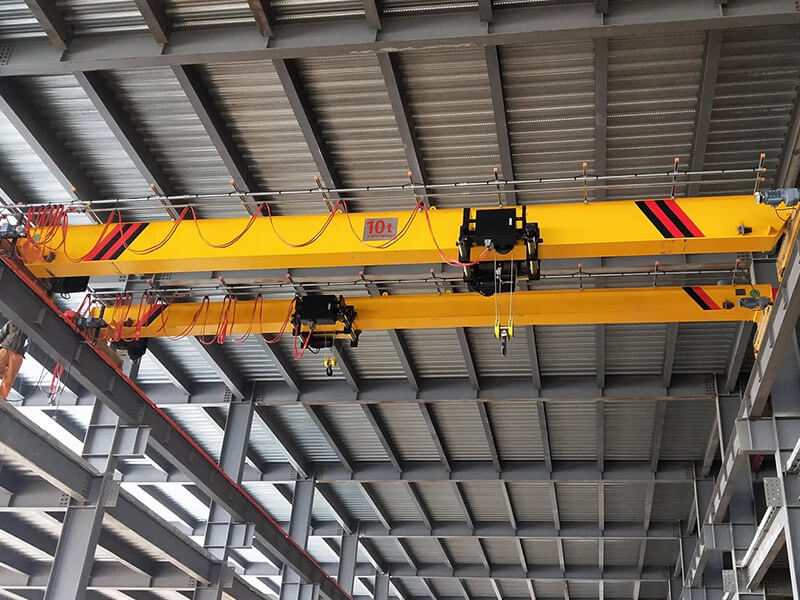
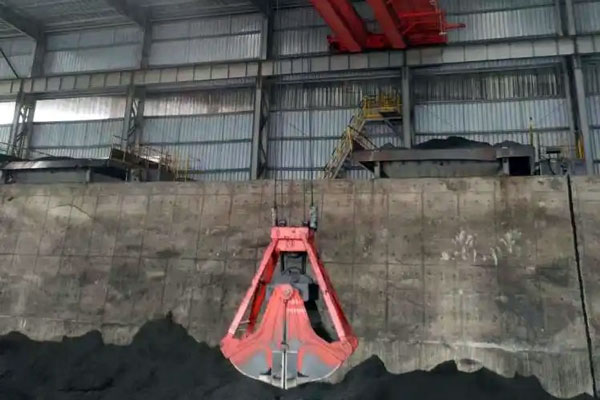
What Is Overhead Crane Capacity?
Definition of Crane Capacity in Lifting Operations
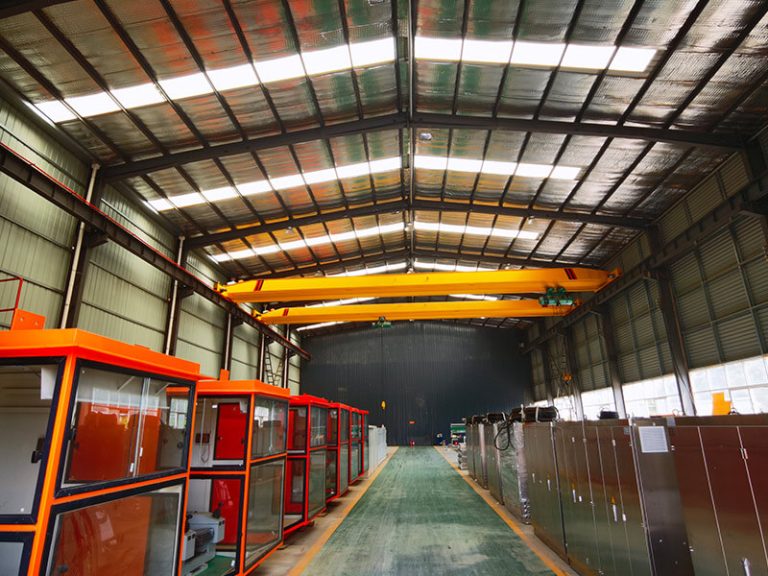
Overhead crane capacity refers to the maximum load weight a crane can lift, move, or lower safely during operation. This feature holds a key position in secure and efficient material handling at locations such as warehouses, factories, and construction sites. Engineers determine the rated capacity according to the crane's design, structure, hoisting mechanism, and supporting components. Operators select the appropriate overhead crane capacity to prevent overloading. Overloading often results in equipment breakdown or accidents.
Key Factors That Affect Overhead Crane Capacity
Load Weight and Dimensions
The real weight and size of the load directly shape the needed crane capacity. Loads that are too big or unevenly spread often require stronger lifting power to keep balance and stability.
Lift Height and Load Radius
Lift height sets how far up a crane can raise a load. Load radius sets the horizontal distance from the crane’s centerline to the load. Both elements create leverage forces on the crane structure.
Environmental and Operating Conditions
Temperature, humidity, wind speed, and limits in the workspace also change performance. FLAGCRANE products work well in different settings. This is because “Lifting Capacity: 15t to 800t
Span: 7.5m to 35m
Lifting Height: 6m to 30m
Working Class: A5, A6, A7, A8
Ambient Temperature: -20℃ to 50℃.”
These details make sure the cranes adapt to various conditions. Examples include steel manufacturing plants or outdoor assembly yards.
Common Overhead Crane Capacities and Their Applications
10 Ton Overhead Crane Applications
A 10-ton overhead crane handles medium-duty industrial jobs. These jobs cover machine part handling or logistics centers. FLAGCRANE’s custom cranes are built for dependability. This holds with “Tailored Your Crane Lifting Capacity: 2t to 16t Span: 7.5m to 28.5m Lifting Height: 6m to 18m Working Class: A5 Ambient Temperature: -20℃ to 40℃.” This range makes sure steady performance in manufacturing lines and storage facilities.
15 Ton Overhead Crane Applications
A 15 ton overhead crane works best for medium-to-heavy duty industrial tasks. These tasks include heavy machinery part handling, steel structure assembly, and larger logistics centers. FLAGCRANE gives flexible options. This comes from “Tailored Your Crane Lifting Capacity: 5t to 32t Span: 7.5m to 31.5m Lifting Height: 6m to 30m Working Class: A5 to A6 Ambient Temperature: -20℃ to 50℃.” This model fits operations that need to handle substantial loads with high safety factors and steady performance.
20 Ton Overhead Crane Applications
For heavy-duty lifting jobs like foundries or shipyards, a 20-ton overhead crane offers strong power and safety features. FLAGCRANE backs large-scale operations. The support comes from “Tailored Your Crane Lifting Capacity: 5t to 800t Span: 7.5m to 35m Lifting Height: 6m to 30m Working Class: A5, A6, A7, A8 Ambient Temperature: -20℃ to 50℃.” These cranes match tough industrial standards. Precision and durability matter in such places.
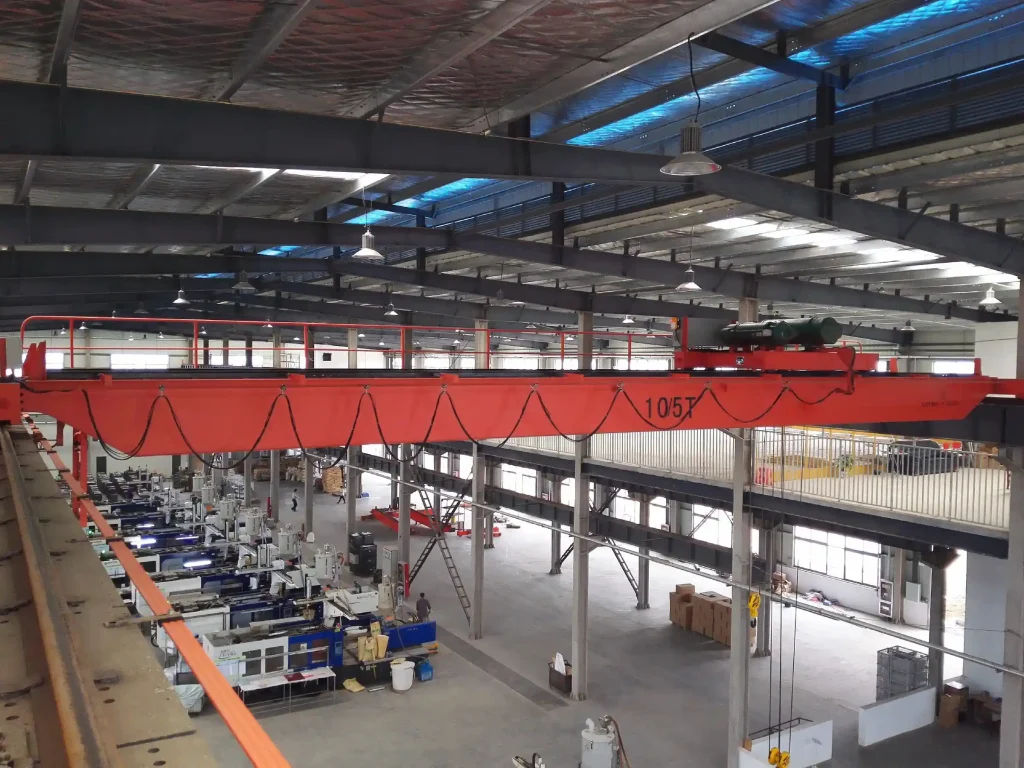
Factors to Consider When Selecting Overhead Crane Capacity
Load Weight, Size, and Stability
Workers must check the total load weight accurately. This check includes attachments. Materials with odd shapes can move during transport. For this reason, people focus on stability when picking capacity.
Workshop Layout and Working Space
The span length available and headroom shape the choice between single girder or double girder setups. FLAGCRANE engineers supply custom layouts. This service exists because “FLAGCRANE can offer a wide range of lifting and handling systems to match all lifting requirements – from heavy-duty processes to clean-room applications and harsh environment lifting equipment.”
Future Capacity Requirements
People plan long-term investments with growth in mind. Future expansion or heavier workloads require foresight. FLAGCRANE also gives system upgrades. The company states, “With years of experience, we have the skills to upgrade and modify all existing cranes to high-performance lifting equipment.”
How to Use Crane Load Charts to Determine Capacity
Understanding Load Charts
Crane load charts give clear details on rated capacities at various boom lengths or radii. Operators read these charts properly to stay within safe limits.
Load Radius and Lifting Height
When the radius grows or the lift height shifts, the effective capacity drops. Leverage affects the structure’s strength.
Calculating the Required Crane Capacity
To calculate the required capacity:
- Figure out the total load weight, including rigging.
- Add dynamic loading from motion.
- Compare results to manufacturer specifications, such as those provided by FLAGCRANE’s technical documentation for each model range.
Safety Considerations When Choosing Crane Capacity
OSHA Regulations for Crane Operation
OSHA standards help avoid workplace dangers. Compliance means clear labeling of rated loads and regular inspections.
Routine Inspection and Maintenance
Regular inspections keep operations reliable. FLAGCRANE stresses service quality. The company notes, “Immediate Support Wherever and Whenever You Need. Our professional service team is dedicated to ensuring an operative crane in your worksite and is always ready to provide 24/7 after-sales services.”
Operator Training and Safe Lifting Practices
Good operator training cuts risks a lot. FLAGCRANE’s policy includes “Being a one-stop solution provider, we provide safety training and other relevant courses to customers of all trades, to increase safety and productivity during the lifting operations.”
How to Select the Best Overhead Crane for Your Project
Comparing 10 Ton, 15 Ton, and 20 Ton Cranes
Comparing models shows that while 10 ton units bring extreme flexibility for lighter workshop duties, the 15 ton and 20 ton cranes provide the necessary power for serious industrial tasks. For example:
- 10 ton cranes mix cost savings with general usefulness for standard parts.
- 15 ton cranes suit medium-sized production lines that require more robust lifting support than a standard light-duty crane can offer.
- 20 ton cranes manage large production lines that need steady heavy lifting.
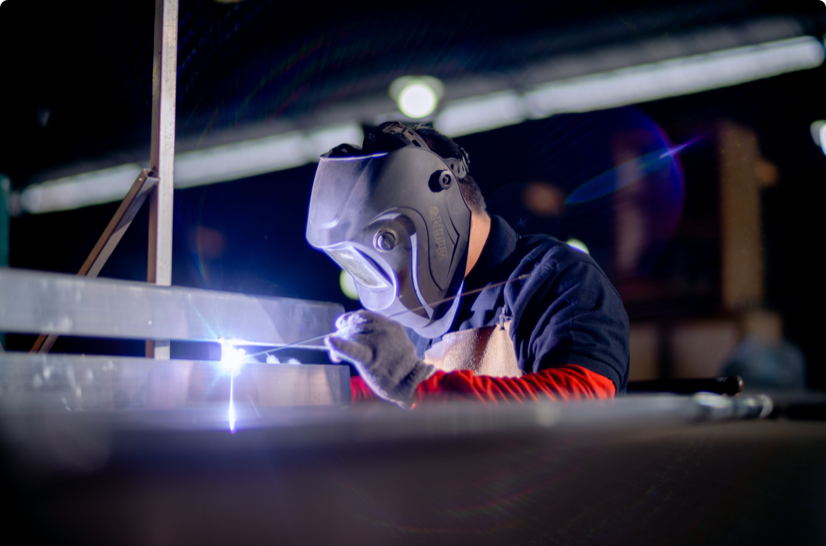
FLAGCRANE makes all these capacities with strict quality checks. This follows “FLAGCRANE's equipment has passed ISO, CE, SGS, SABER, and other domestic and foreign professional certifications.”
Balancing Cost, Performance, and Efficiency
Choosing an overhead crane means weighing costs against output gains. FLAGCRANE’s modern manufacturing sites ensure top performance. The firm explains, “FLAGCRANE has more than 1000 sets of processing and testing equipment, such as a large floor boring machine, a CNC cutting machine, a steel plate leveling machine, and automatic welding equipment.”
Consulting Crane Experts for the Right Solution
Expert advice ensures the best pick based on operational analysis. FLAGCRANE brings deep knowledge. The company states, “We have more than 30 years of experience in crane design, fabrication, delivery, and installation for all applications globally.” FLAGCRANE also supplies custom non-standard choices like “800T double girder gantry crane” or “360T European style double girder overhead crane.”
FAQ
Q: What does overhead crane capacity mean?
A: This term shows the highest secure payload an overhead crane handles without danger of framework harm or unsteadiness.
Q: How do I determine if I need a single girder or double girder design?
A: Assess the span length you require, the lifting height, the usage frequency, and the duty class. Double girder designs fit loads over about ten tons.
Q: Can a crane be upgraded if production demands increase?
A: Yes. FLAGCRANE provides modification services that improve current cranes into efficient systems fulfilling updated needs.
Q: What industries commonly use a 20 ton overhead crane?
A: Steel mills, shipbuilding yards, mining facilities, and heavy machinery production plants often depend on this capacity for large-scale goods movement.
Q: Why choose FLAGCRANE as an overhead crane supplier?
A: FLAGCRANE combines design, manufacturing, installation, and after-sales support in one system. The company brings more than thirty years of experience serving over fifty countries around the world. FLAGCRANE upholds certified quality standards such as ISO and CE approvals.