How to Choose the Right Overhead Crane System?
Picking the proper overhead crane system is a key choice. It can greatly affect your business activities. This applies to areas like manufacturing, warehousing, steel fabrication, or logistics. A poor selection might cause inefficiencies. It could also bring production delays or safety risks. However, the correct overhead crane system will improve workflow. It boosts safety. Plus, it delivers strong returns on investment during its service life.
Overhead crane systems—especially the overhead bridge crane—serve as vital tools. They fit settings where heavy lifting and material handling occur every day. Selecting the best crane setup impacts productivity. It also influences long-term costs and worker safety.
This guide targets business owners, plant managers, facility engineers, and procurement specialists. These folks work in fields such as manufacturing, logistics, steel processing, and industrial maintenance. The guide explains technical and practical elements. It helps in picking the suitable overhead crane system for your business requirements.
What Are the Key Factors to Consider When Choosing an Overhead Crane System?
Before buying any overhead crane system, you need a full review of your use case.
Load Capacity: How Much Weight Do You Need to Lift with Your Overhead Crane?
Figure out the top weight that the overhead crane system has to handle. Always add a safety buffer. This covers sudden changes or later expansions. For instance, a sturdy double girder overhead bridge crane from FLAGCRANE handles up to 800 tons. It works well in steel mills or casting plants. "Less is More" — avoid overbuying. If you lift a 10-ton load, a 10-ton overhead crane is enough. You do not need a 20-ton setup.
Lift Height: What Is the Required Lifting Height for Your Overhead Crane System?
Your building's ceiling height sets the needed lifting height. So do your daily tasks. Common industrial overhead crane systems offer heights from 6m to 30m.
Span & Reach: How Wide Is the Area You Need to Cover with Your Overhead Crane?
Span means the distance between the runways where the overhead crane system moves. A span from 7.5m to 35m covers small shops to big factory floors. Workstation cranes provide square or rectangular areas. Jib cranes give round coverage. Both suit local lifting jobs.
Which Type of Overhead Crane System Is Right for Your Business?
Knowing the available overhead crane systems aids in choosing one that fits your tasks.
What Is the Difference Between an Overhead Bridge Crane and a Gantry Crane?
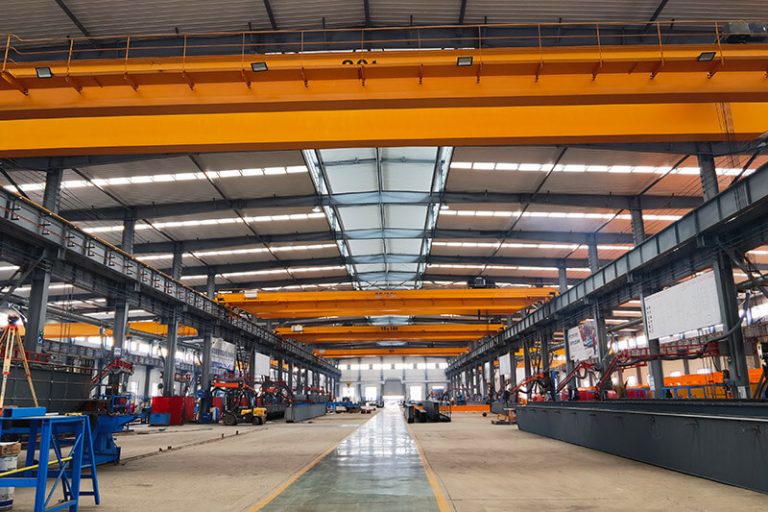
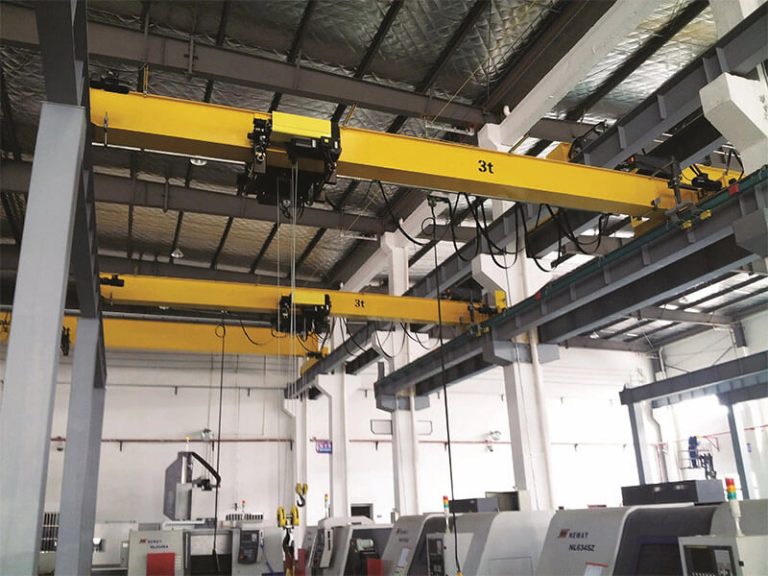
Overhead bridge cranes suit factories and warehouses. They handle materials precisely over wide spaces. These cranes manage high loads. They come as single girder or double girder types. FLAGCRANE supplies custom lifting gear for various uses. This includes special items like 800T double girder gantry cranes. It also covers 360T European-style double girder overhead bridge cranes.
Gantry cranes work when overhead runways are not possible. This happens outdoors or in buildings that cannot hold overhead setups. They stand on their own feet. Thus, they cover very broad areas.
What Are the Benefits of Jib Cranes for Small Work Zones?
In tight work areas, jib cranes (wall-mounted or free-standing) prove useful. They lift items locally. You often see them in shops or by machines for loading parts. Jib cranes provide round coverage. This fits narrow spots and targeted moves.
How Do Light Crane Systems (LCS) Compare for Lighter Loads?
For loads under 10 tons, light crane systems (LCS) use modular builds. They offer great flexibility at reduced prices. These setups appear in logistics centers and packing areas. They handle from 0.5t to 10t.
What Are the Advantages of Custom Overhead Crane Systems for Unique Needs?
If you deal with odd demands—like tight spaces, strange load forms, or tough conditions—customization matters. FLAGCRANE delivers fitted options for exact lifting tasks. It allows changes in the overhead crane system's setup and style.
How to Ensure Your Overhead Crane System Fits Your Work Environment?
How well your overhead crane system performs ties closely to its surroundings.
Indoor vs Outdoor Cranes: What Are the Key Differences?
Outdoor cranes require rust-proof coatings. They also need sealed parts. Moreover, think about temperature limits. These range from -20℃ to 50℃ for weather protection.
What Are the Space and Layout Considerations for Installing Your Overhead Crane System?
A site check is vital. It evaluates open spaces, pillar locations, and work paths. If the area feels crowded, wall-mounted or specially made overhead crane systems might be needed. This holds true for workstation cranes. They demand set coverage like square or rectangular zones.
Do You Have the Right Structural Support for Your Overhead Crane System?
Ground or Building Structural Support: Free-standing gantry cranes demand solid ground bases. Overhead crane systems need support beams or runways. Your structure must bear them.
How to Ensure Compatibility with Your Operational Flow?
The crane should blend into your routine smoothly. For example, it aligns with assembly lines or storage units. It leaves space for regular upkeep. Knowing the support type is crucial. Your overhead crane system could rest on the floor, hang from the ceiling, or be mounted on walls or columns. This depends on the room and load spread.
What Are the Safety, Compliance, and Maintenance Considerations for Overhead Crane Systems?
Safety stays non-negotiable in any lifting setup.
How to Ensure Your Overhead Crane System Meets Safety Standards?
Make sure your overhead crane system follows ISO and CE rules. It should pass safe load tests with buffers. FLAGCRANE's gear clears ISO, CE, SGS, SABER, and other expert certifications.
What Are the Operational and Maintenance Requirements for Overhead Crane Systems?
Pick manual or powered controls based on worker skills. Overhead crane control systems must be simple to use. They should match the user's know-how. FLAGCRANE runs safety classes and training for clients in all fields. This raises safety and output in lifting work.
How to Ensure Reliability and Prevent Failures in Your Overhead Crane System?
Your provider ought to offer quick parts access and fixes. FLAGCRANE stands ready for 24/7 post-sale help. We also stock quality spares for cranes from many makers.
How Much Do Overhead Crane Systems Cost and What Is the ROI?
Buying overhead crane systems calls for careful cost and benefit checks.
What Is the Total Initial Investment for an Overhead Crane System?
This covers the gear price, setup fees, building changes, and bases if required.
What Are the Operating and Maintenance Costs for Overhead Crane Systems?
Factor in power use (mainly for powered units), check schedules, spare availability, and fix services over time.
Are High-End Overhead Crane Systems Worth the Cost?
Top-tier overhead crane systems cost more at first. However, they cut stoppages and raise output over long use. FLAGCRANE brings years of skill. We can update and adjust current overhead crane systems into high-output lifting tools.
Can Your Overhead Crane System Evolve with Your Business?
Select a setup that grows with your company. For example, it boosts capacity or adds auto features later.
How to Make the Right Decision When Selecting Your Overhead Crane System?
Use a clear method to make a smart choice:
1.Review your exact needs: load weight, duty cycle, operational frequency.
2.Narrow down overhead crane systems that suit your setting.
3.Do a site visit with building experts.
4.Weigh overhead crane systems by safety, speed, and value.
5.Talk to providers like FLAGCRANE for custom plans:
6.FLAGCRANE supplies broad lifting and handling options. These products fit all needs—from tough jobs to clean areas and rough-condition gear.
7.Ask for full setup blueprints.
8.Plan operator training sessions.
9.Create a upkeep deal for ongoing trust.
Conclusion: How to Choose the Best Overhead Crane System for Your Needs?
Each company has distinct needs for handling materials. Selecting the proper overhead crane system means finding one that fits your work perfectly. It should not be the priciest or strongest option. Instead, it enhances safety, speed, and returns.
FLAGCRANE has over 30 years in overhead crane systems design, building, shipping, and setup worldwide. Our skilled group assists from beginning to end. This starts with planning talks and goes to after-setup aid. We ensure a setup made for your workspace.
FAQ
Q: What is the difference between single girder and double girder overhead cranes?
A: Single girder cranes weigh less. They handle lower loads (up to ~20t). Double girder cranes manage bigger loads (up to 800t). They give more hook height thanks to two beams.
Q: How do I determine the right load capacity for my overhead crane?
A: Spot the heaviest item you will lift. Then add a safety extra (often 25%). Speak to a trained engineer or provider like FLAGCRANE for precise setup details.
Q: Can an overhead bridge crane be installed in an existing facility?
A: Yes. But check the structure to see if it holds runway beams or stand-alone posts. FLAGCRANE gives options to update or change current builds.
Q: What maintenance does an overhead crane system require?
A: Do checks often (daily, weekly, monthly). Lubricate moving bits. Inspect ropes or chains for damage. Test electrics. Replace parts ahead of time. FLAGCRANE supplies complete after-sales aid, including spares from various brands.
Q: How long does it take to install an overhead crane system?
A: Time varies by detail. Basic units are installed in days. Big custom ones take weeks. This includes build strengthens and test. FLAGCRANE shares full timelines in project prep.