What Is an Overhead Crane and How Does It Work?
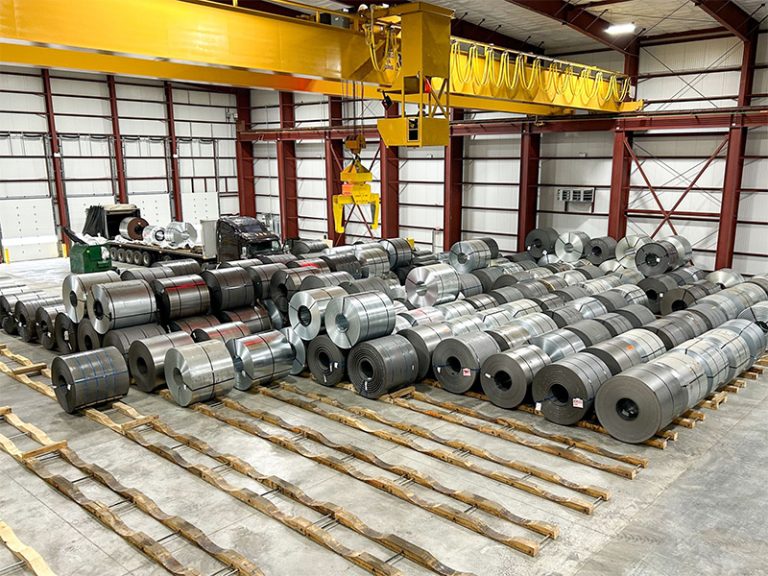
Overhead cranes serve as key lifting tools in diverse industrial settings. These places include manufacturing plants, shipyards, steel mills, and logistics hubs. The equipment helps move heavy loads across the workspace. It relies on raised tracks and rails to maintain balance.
Key Components of an Overhead Crane System
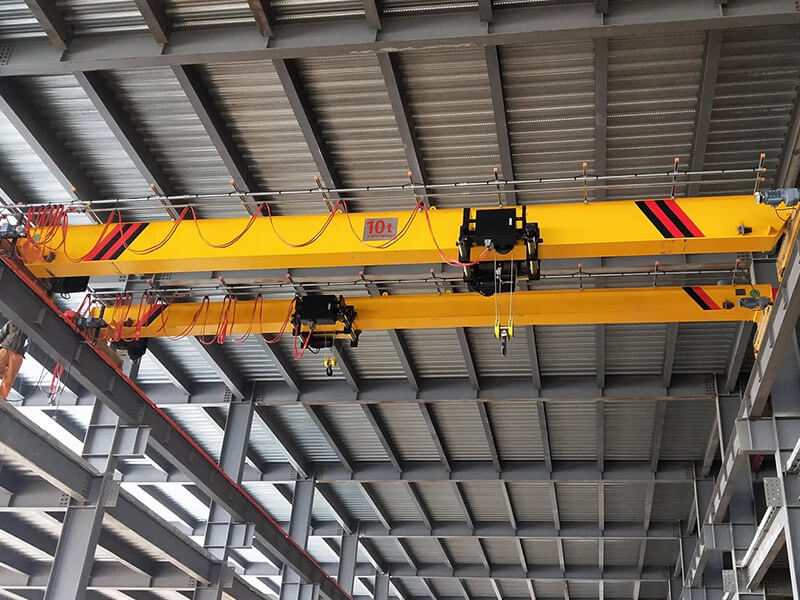
A typical overhead crane includes several main parts. These are the beam, which is the primary horizontal beam. There is also the hoist, serving as the lifting device. The hoist trolley shifts the hoist side to side. The runway provides tracks for the bridge to travel on. End trucks feature wheels at each end of the beam. They roll along the runway.
Control options differ. Pendant controls use wires. Radio remote controls work without wires. Operator cab controls suit more detailed tasks. All these methods enable accurate control of load placement and motion.
Common Types of Overhead Cranes in Industrial Use
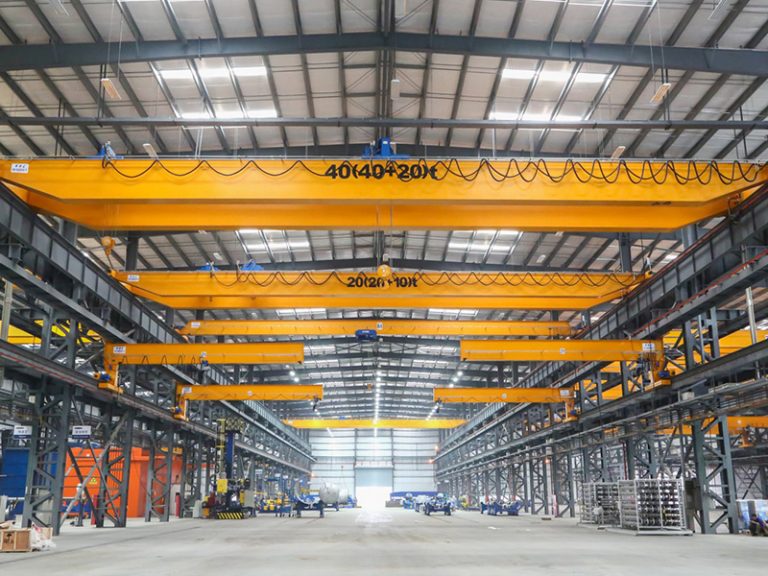
Overhead cranes fall into single-girder and double-girder types. Single girder models weigh less. They usually handle up to 32 tons in lifting capacity. Double girder models provide greater strength. The lifting capacity up to 800t. In terms of installation, top-running cranes run above the runway beams. This makes them fit for tough jobs. Under-running cranes hang below the beams. They work well in spaces with limited height.
FLAGCRANE supplies tailored lifting gear for various uses. This includes the 360T European-style double girder overhead crane and the 225T casting overhead crane.
Which Statements About Operating Overhead Cranes Are Accurate?
Essential Operator Responsibilities You Should Know
Operators hold a vital role in overhead crane safety. They must perform a pre-operation check before every use. This ensures the crane's mechanical and electrical parts work properly. The check covers wire ropes, brakes, limit switches, and control systems.
Knowing load limits matters a lot. Going beyond the rated capacity risks equipment breakdown or building harm. Operators need to use correct hand signals. They should also employ radios if sight is poor. Clear talk aids in planning moves. This is especially true for tandem lifts or tricky hoisting jobs.
Misconceptions That Lead to Unsafe Practices
People often think all loads fit the crane's capacity without checking. This error causes severe overloads. Another wrong idea is that spotters are unnecessary in tough lifts. In fact, spotters boost safety. They offer views where the operator lacks them.
Operator Qualifications and Training Requirements
Qualification Criteria for Operators
To handle an overhead crane without risk, people must meet certain physical and skill standards. This involves a base age of 18 or more. They need clear vision and hearing. Quick responses are also required. Applicants should show a solid grasp of physics. This relates to load shifts and stopping forces.
Training Program Content
Operator training covers theory on crane workings, load charts, emergency steps, safety tools, hand signal meanings, and protective gear use. FLAGCRANE offers safety training and related sessions to clients from various fields. The goal is to raise safety and output in lifting work.
Training Frequency, Retraining, and Health Monitoring
Ongoing retraining keeps operators informed on equipment changes or rules. Health checks happen yearly. They confirm physical suitability for crane duties.
How to Choose the Right Overhead Crane Company?
Factors to Consider When Selecting a Supplier or Manufacturer
Safety adherence ranks first when picking an overhead crane supplier. A firm's record with global approvals like ISO or CE signals strong quality. FLAGCRANE has earned ISO, CE, SGS, SABER, and other local and international certifications.
Look at after-sales support too. FLAGCRANE' s skilled team stands ready for 24/7 service. We respond quickly to technical problems.
Questions to Ask Before Making a Purchase Decision
Ask if tailored crane options exist to fit your site's size or load needs. For instance, FLAGCRANE offers bespoke lifting gear with load capacities from 5t to 800t. Plus, look into the length of the warranty. You should also ask about maintenance plans and the supply of replacement components.
Why Routine Maintenance Is Critical for Long-Term Safety
Preventive Maintenance Plans That Reduce Risk
Regular checks by qualified experts spot worn components early. This prevents breakdowns. FLAGCRANE can update and adjust old cranes. We turn these old cranes into effective lifting tools. This helps aging setups match current norms.
Recordkeeping Practices That Support Compliance Audits
Keeping full logs of checks, fixes, events, and training is key for rule following and reviews. Such records allow pattern spotting. This helps fix repeated problems ahead of time.
How Can You Improve Your Facility's Crane Safety Culture?
Training Programs That Reinforce Operator Awareness
Continued learning via classes or practice runs builds operator skills for daily issues. Refresh sessions keep staff aligned with sector norms.
Building a Reporting System for Near Misses and Incidents
Set up an open report process. Staff can flag problems without worry of blame. Use the input to update safety steps. This cuts down on future dangers.
What Can FLAGCRANE Offer Your Business?
Why Choose FLAGCRANE for Your Overhead Crane Needs?
FLAGCRANE is a skilled firm that blends crane planning, building, selling, setup, after-sales, and upkeep. Our team brings over 30 years of know-how. FLAGCRANE supplies custom lifting equipment for clients with varied uses and demands. The company covers over 850,000 square meters. FLAGCRANE hires more than 1,600 workers. That makes us a leading force in the industry.
FLAGCRANE aids projects from idea to installation. We offer planning skills, safety sessions, fast tech help, and worldwide parts supply.
Other Products Available from FLAGCRANE
Besides overhead cranes, FLAGCRANE provides:
- Gantry Cranes: Designed for flexible material handling.
- Jib Cranes: Ideal for workstations and small spaces.
- Electric Hoists: Engineered for precision lifting tasks.
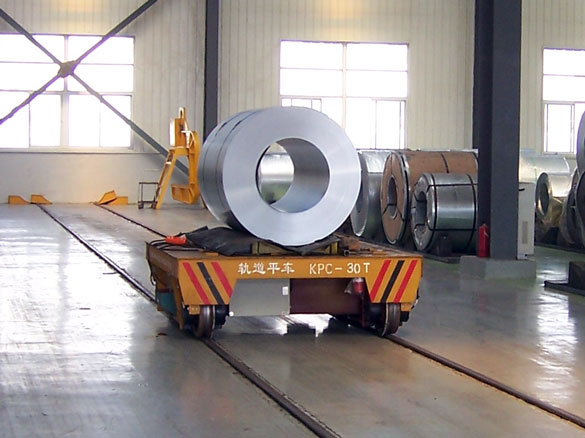
- Transfer Carts: Efficient transportation of materials across factory floors and warehouses.
- Crane Spreaders: Specialized for heavy-duty material handling and precise load positioning.
- Spare Parts: A comprehensive selection of high-quality components for crane maintenance and repair.
FAQ
Q: What is the maximum lifting capacity of an overhead crane?
A: The existing projects for overhead cranes have a maximum lifting capacity of 800 tons. Specific lifting capacities can be customized depending on the customer's needs.
Q: How often should an overhead crane be inspected?
A: Daily visual checks must occur before each use. Certified experts then perform regular inspections. These take place monthly or yearly. The schedule relies on how much the crane sees action.
Q: Do overhead crane operators need certification?
A: Yes, operators must complete official training. It includes both basic theory and practical abilities. They finish this before earning certification.
Q: Can overhead crane manufacturers like FLAGCRANE design custom overhead cranes for unique facility layouts?
A: Yes. For example, FLAGCRANE offers skilled, tailored lifting gear and creates it according to the exact site's needs.
Q: What industries commonly use overhead cranes?
A: Overhead cranes see regular use in steel production, warehousing, automotive manufacturing, shipbuilding, mining, and energy sectors.