Comparing Gantry Cranes and Portal Cranes
1. Core Design Features of Gantry Cranes
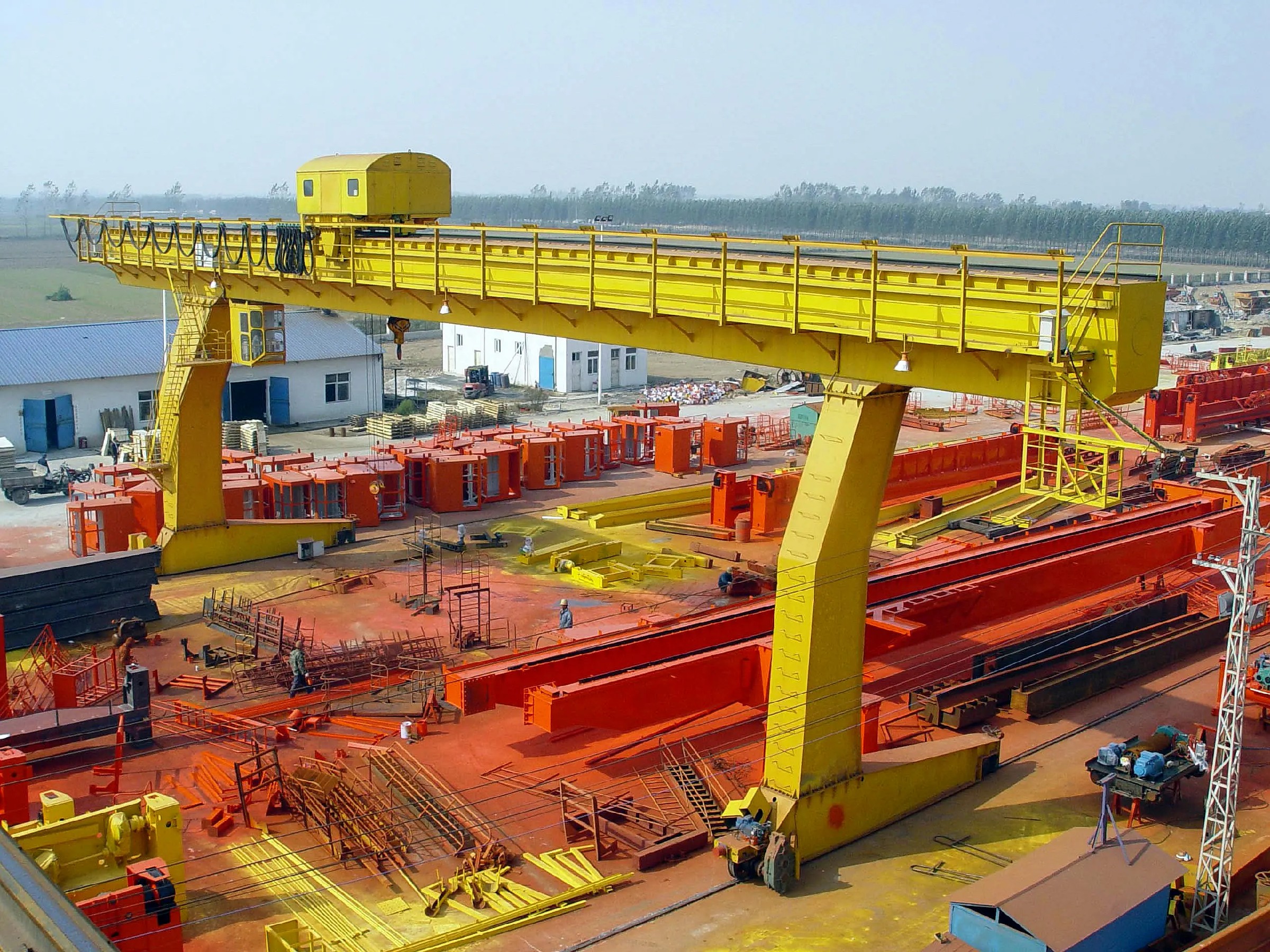
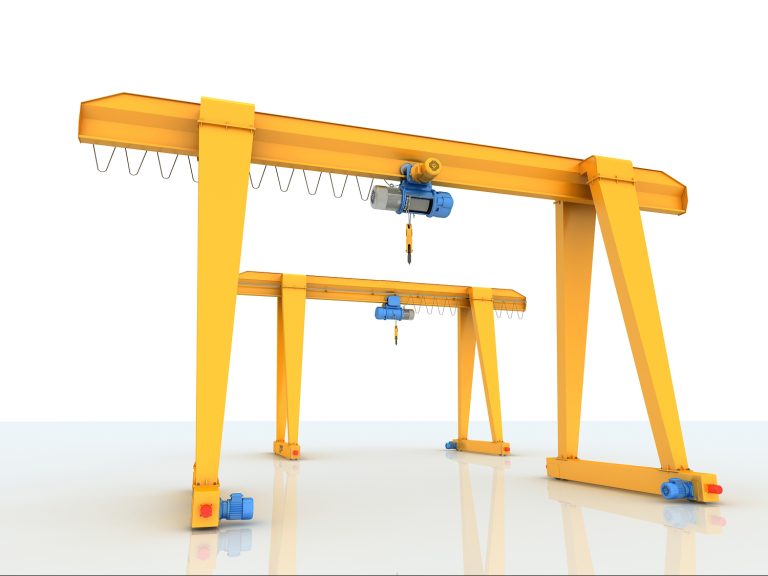
Gantry cranes excel in their adaptable design and simple mobility. Wheels or rails on the legs hold up these cranes. Such a design enables smooth movement over the work zone. Gantry cranes operate without requiring overhead supports from buildings.
Mobility fits gantry cranes perfectly in outdoor areas, construction sites, and temporary installations where permanent structures fail. Installers place the rail system for gantry cranes at ground level. This method simplifies installation and relocation.
Lifting Capacity: 5t to 800t;
Span: 7.5m to 35m;
Lifting Height: 6m to 30m;
Working Class: A5, A6, A7, A8;
Ambient Temperature: -20℃ to 50℃
FLAGCRANE offers a broad set of options, so customers can adjust configurations to fit specific project demands.
2. Structural Characteristics of Portal Cranes
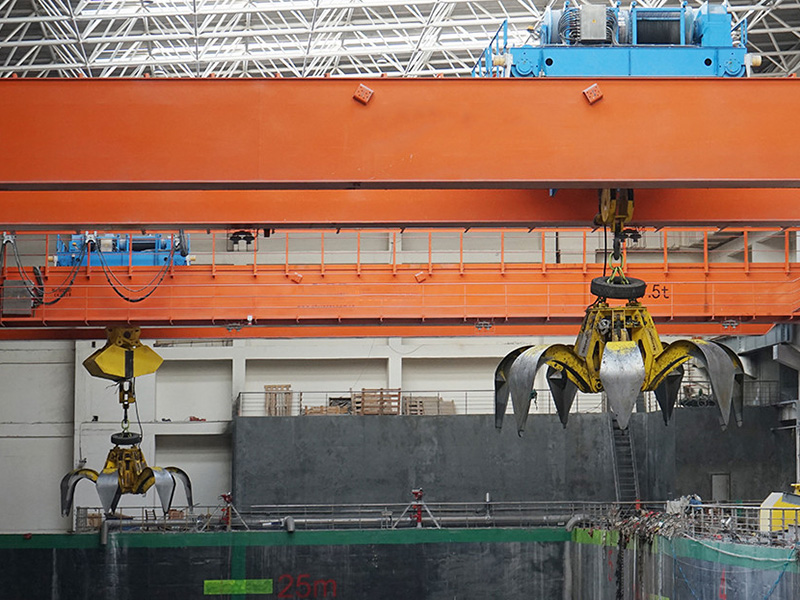
Portal cranes look much like gantry cranes, yet they serve different purposes and use a different design. Portal cranes stay in one spot and include a solid portal frame that covers a wide space. Portal cranes use raised tracks for trolley travel at a greater height, unlike gantry cranes.
Portal cranes play a key role in shipyards, steel plants, and major industrial areas where steady lifting covers broad zones.
FLAGCRANE supplies custom lifting gear for clients with varied uses and demands, and the company creates and builds special items such as: 800T double girder gantry crane, 360T European style double girder overhead crane, 225T casting overhead crane, etc.
Such examples show how portal cranes adapt to tough conditions.
3. Load Capacity and Lifting Efficiency
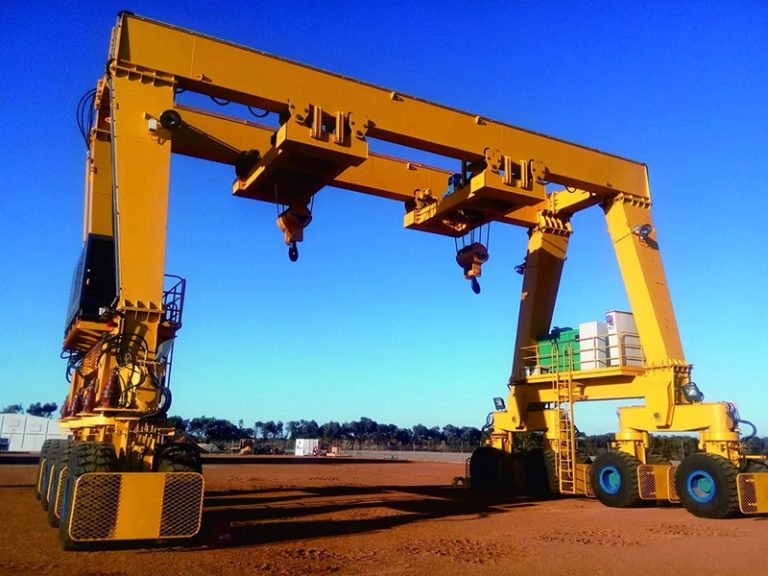
Gantry Cranes:
Gantry cranes handle loads from moderate to heavy work. Single girder or double girder setups provide options that match needs.
Lifting Capacity: 5t to 800t, and working classes up to A8 give choices for routine and heavy use.
Double girder models work best for operation that need greater lift height and better accuracy.
Portal Cranes:
Portal cranes suit tough, ongoing tasks, and they deliver solid stability and good output. Strong frames let portal cranes raise huge loads, often with little wear.
Lifting Capacity: 5t to 320t under working classes A5 to A8 ensures these cranes stay dependable for repeated work over extended periods.
4. Mobility and Installation Flexibility
Gantry Cranes:
Gantry cranes shine through their ease of transport. Little breakdown occurs when workers move gantry cranes, so these cranes fit well for brief projects or changing sites.
FLAGCRANE delivers custom lifting gear for clients with diverse uses and demands, and each gantry crane fits the precise needs of the work site.
Gantry cranes handle tasks like shifting goods in a building yard or adjusting to fresh storage plans, and they offer top flexibility.
Portal Cranes:
Portal cranes aim for lasting placement. Fixed design and built-in raised tracks boost frame strength, but this limits changes to the setup.
Portal cranes suit sites where steady work flow and future plans matter most.
5. Cost Factors and Budget Considerations
Gantry Cranes:
Gantry cranes need less upfront money because of their basic frame and easy-to-assemble parts. This draws small to mid-size businesses.
Upkeep expenses depend on how often moves happen and how hard the work runs, but a low overall cost stands as a big plus.
Tailored Your Crane services by FLAGCRANE aid firms in matching output to budget limits.
Portal Cranes:
Portal cranes cost more at the start due to made-to-order parts and setup needs, however, they save money over time with fewer stops in work and a strong build.
Portal cranes suit sites where steady work flow and future plans matter most.
6. Customization Options and Control Systems
Gantry Cranes:
Gantry cranes include choices for controls like hand-operated, partly automatic, and full automatic setups. Modern add-ons, such as IoT links and safety devices, fit into special construction works.
Easy-to-add updates let current gantry cranes grow with work shifts without full swaps.
FLAGCRANE’s engineering staff handles upgrading and modification—With years of experience, we have the skills to upgrade and modify all existing cranes to high-performance lifting equipment.
Portal Cranes:
Portal cranes allow strong customization levels. Options range from turning trolleys to wider reaches and distant control setups, and engineers build them to match load kinds, site factors, and building design.
Modern control links make portal cranes fit smoothly into main production oversight systems—a main help for fields that stress automation and output.
7. Suitability Across Industrial Applications
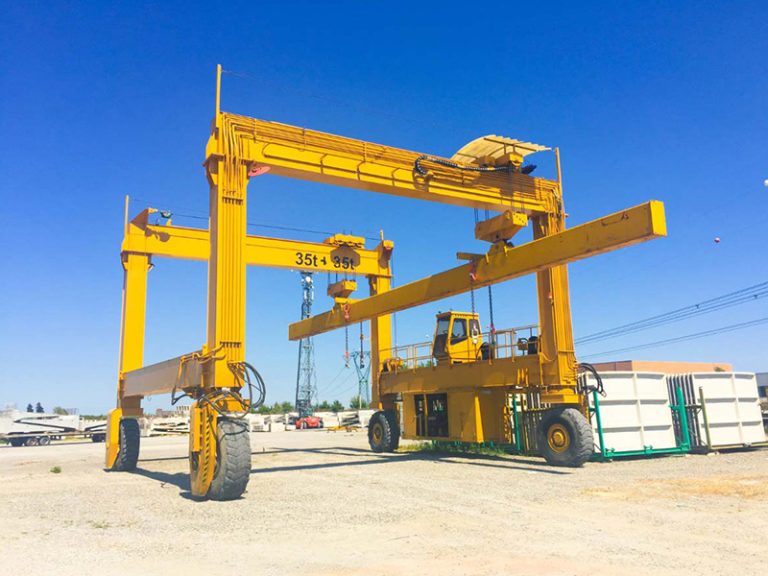
Gantry Cranes:
Gantry cranes appear often in shipping hubs, making sites, and short-term building areas, and they do well in places that call for adaptable lifting.
Applications include:
- Bulk material handling in warehouses
- Equipment placement in manufacturing
- Temporary hoisting during infrastructure development
FLAGCRANE’s design and installation services make sure each arrangement fits unique field needs while focusing on safety and simple operation.
Portal Cranes:
Portal cranes lead in areas like shipbuilding, metal work, and base building because they manage large parts steadily for years.
Portal cranes work well in:
- Shipyards for assembling hulls
- Steel mills for raw material processing
- Infrastructure prefabrication yards
FLAGCRANE’s 360T European-style double-girder overhead crane serves as an instance of gear built for such hard operation.
The CONEXPO-CON/AGG exhibition will be held in Las Vegas as scheduled. This exhibition will bring together numerous leading suppliers of equipment in various industries, covering: Asphalt, Aggregates, Concrete, Earthmoving, Hauling, Lifting, and Trucking.
2026 is a significant year for the integration of technology and engineering. Besides the companies generating considerable buzz at the exhibition, FLAGCRANE, a rising star representing China in overhead crane and other equipment, should not be underestimated.
FAQ
Q: What is the difference between a gantry crane and an overhead crane?
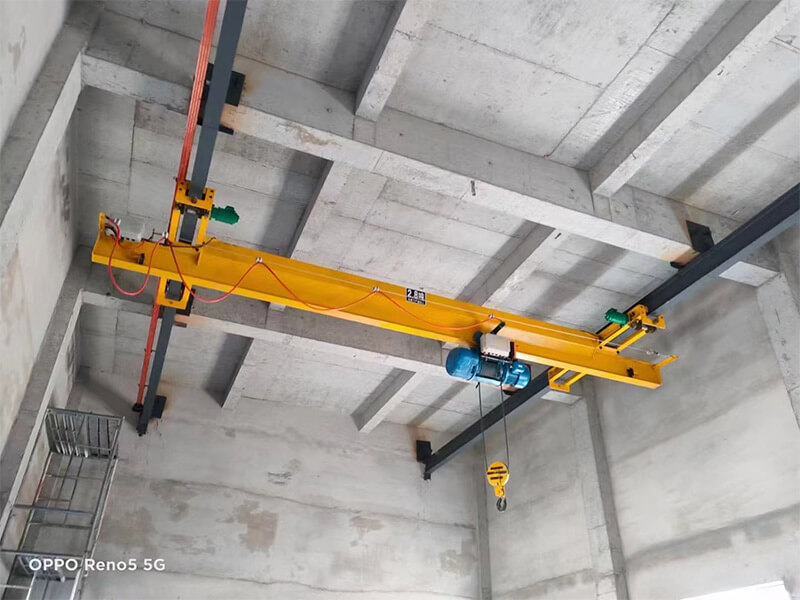
A: An overhead crane usually mounts inside a building's frame and travels along raised rails beside the walls. However, a gantry crane moves on ground-level tracks and needs no upper support frame.
Q: Can gantry cranes be used indoors?
A: Yes, gantry cranes often serve outdoors, but these cranes also function inside buildings when overhead crane setup proves impossible or when adaptable arrangements become important.
Q: How much weight can a portal crane lift?
A: FLAGCRANE’s portal cranes lift to 320 tons, which makes these cranes ideal for demanding industrial tasks like shipbuilding or steel production.
Q: Are FLAGCRANE products eco-friendly?
A: FLAGCRANE focuses on green design by adding power-saving parts and sturdy materials to its products. Caring for the environment stands as a core element in FLAGCRANE’s goal as a worldwide provider of material handling solutions.
Q: How does FLAGCRANE support international customers?
A: FLAGCRANE has exported to more than 50 countries, including the USA, Germany, Brazil, Spain, etc., offering full-cycle services from design to after-sales, including training, spare parts supply, and 24/7 technical support.
For businesses looking for dependable lifting solutions—whether flexible gantry cranes or robust portal cranes—FLAGCRANE stands out as a trusted manufacturer with over 30 years of experience in crane design, fabrication, delivery, and installation. Whether it’s an 800T double girder gantry crane or a tailored overhead crane solution—FLAGCRANE delivers performance with precision.