Why a Jib Crane Became the Right Fit for My Industry
Key Reasons Behind Choosing a Jib Crane
The manufacturing and fabrication industry requires the correct lifting solution to raise workflow efficiency, safety, and cost savings. A jib crane served as the best choice because the fixed or semi-fixed arm provides accurate and targeted material handling. Traditional cranes differ from a jib crane. The arm makes repetitive lifting tasks simple in tight areas.
The small and effective design avoids major changes to the current infrastructure. Industries gain performance without large renovations. Placement near workstations delivers steady lifting power. Other operations continue without stops.
How Jib Cranes Outperform Traditional Lifting Equipment
Gantry cranes or overhead crane systems serve as other lifting options. A jib crane excels with its small footprint. The design needs much less floor space. Fewer moving parts ease lifting jobs. A jib crane cuts reliance on forklifts and manual methods. Injuries and product harm drop as a result.
Lifting Capacity: 0.5t to 10t fits many tasks in small to medium operations. Working Class: A3 to A5 suits regular use in moderate duty cycles. These traits position the jib crane as a strong option over bigger, more involved lifting setups.
Exploring the Practical Advantages of Jib Cranes
Space-Saving Design That Adapts to Any Facility
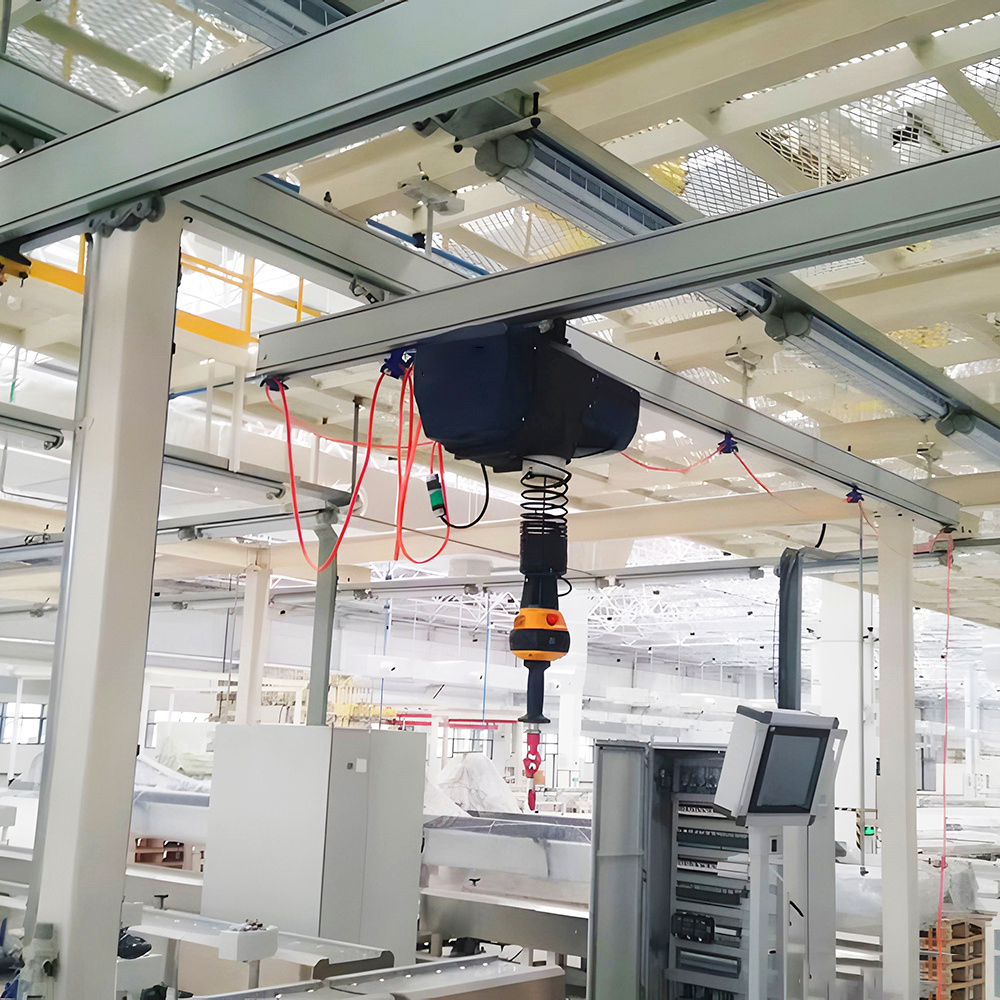
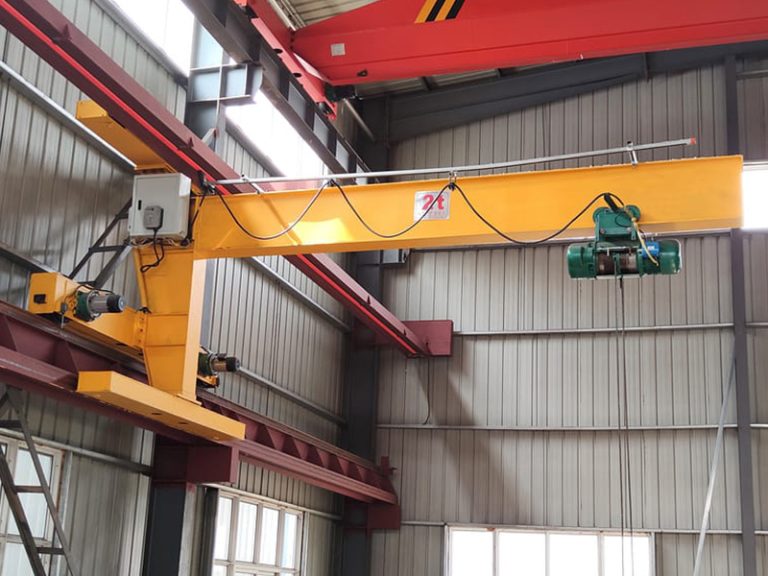
Wall-mounted and floor-mounted setups exist for jib cranes. Wall-mounted versions use current building structures. Floor space stays free. Floor-mounted freestanding versions go anywhere on the shop floor. No interference occurs with other machinery or processes. Multiple workstations run at the same time with good results.
Enhanced Safety and Load Control
Safety ranks as a main benefit. Jib cranes provide even rotation and accurate load placement. Accidents become less likely. The load swing stays limited. Operators feel more secure when moving heavy or fragile items.
Boosting Productivity Without Compromising Budget
Setting up a jib crane proves simple. Completion happens with little downtime. Productivity holds steady during installation. Full overhead crane systems cost more than jib cranes. The investment brings solid returns.
Flexibility for Various Industrial Applications
Assembly lines, packaging stations, and maintenance bays use jib cranes. Light to moderate loads move with ease. The design fits many industrial settings. User-friendly lifting and targeted material handling matter in these spots.
Comparing Jib Cranes With Overhead Crane Solutions
When Should You Choose a Jib Crane Over an Overhead Crane?
A jib crane fits separate lifting areas or single workstations. Full coverage is lacking in these cases. An overhead crane system brings too much cost and complexity. Jib cranes deliver user-friendly lifting. Operator fatigue drops.
Can Jib Cranes Work Alongside Underhung Bridge Cranes?
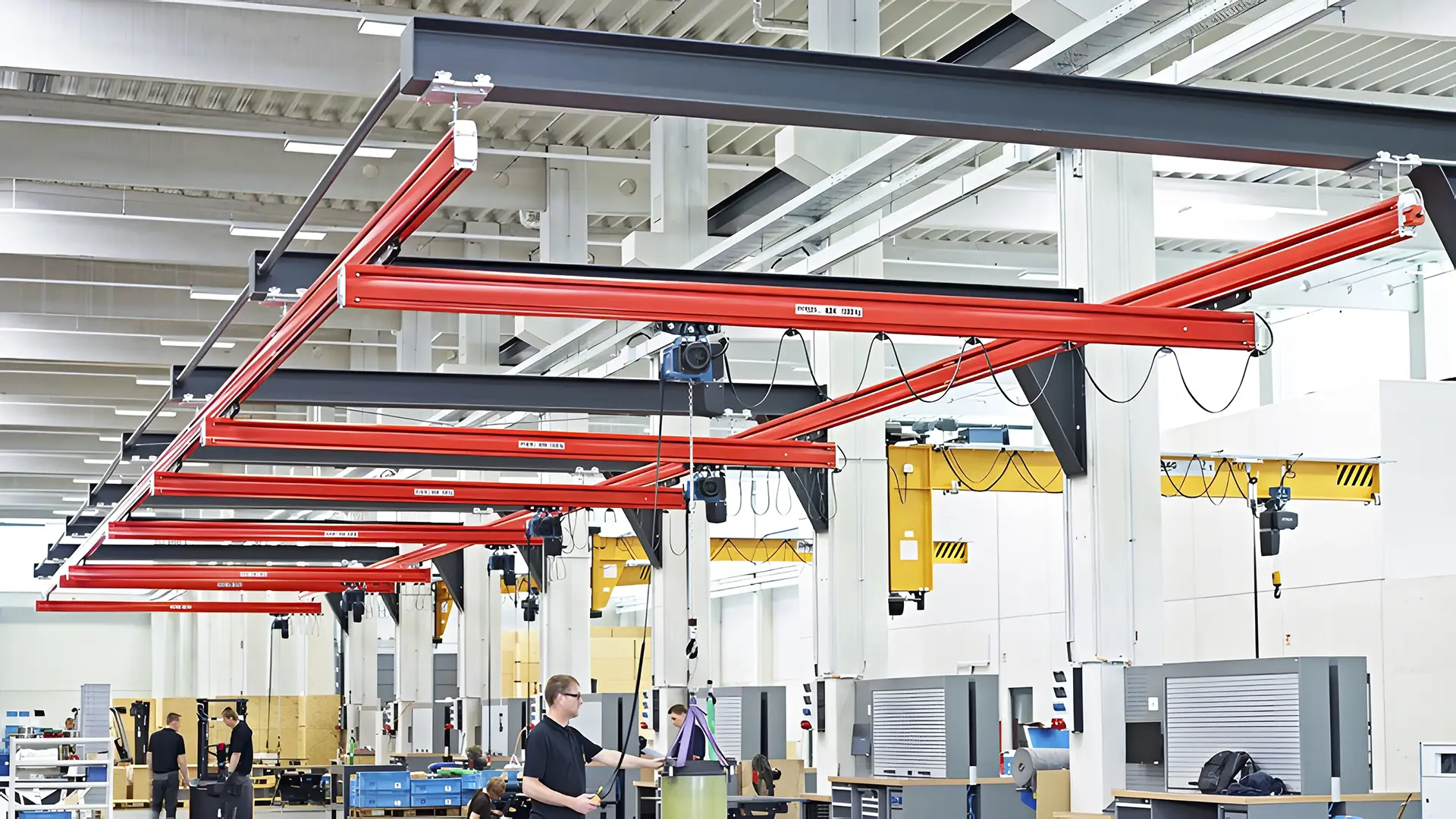
Yes. Jib cranes pair well with underhung bridge crane systems. Operations run together in multiple work zones. This setup avoids crowding. Workflow improves in busy manufacturing areas.
Lifting Capacity: 2t to 16t, and Working Class: A5 suits some jib crane models. Compatibility arises with current hoist and bridge crane setups. Utility grows from this match.
Types of Jib Cranes Available for Industrial Use
Freestanding Jib Cranes for Maximum Flexibility
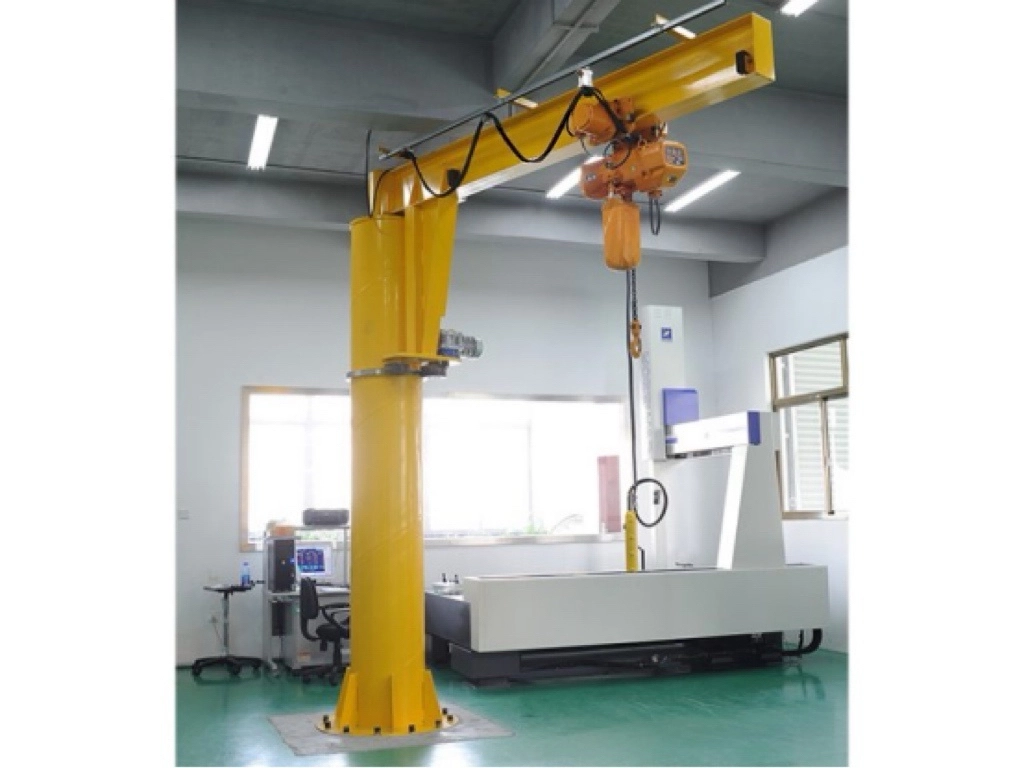
Freestanding jib crane models avoid ties to building structures. Placement occurs anywhere on the shop floor. Layout changes follow production shifts with ease.
Wall-Mounted Jib Cranes for Saving Floor Space
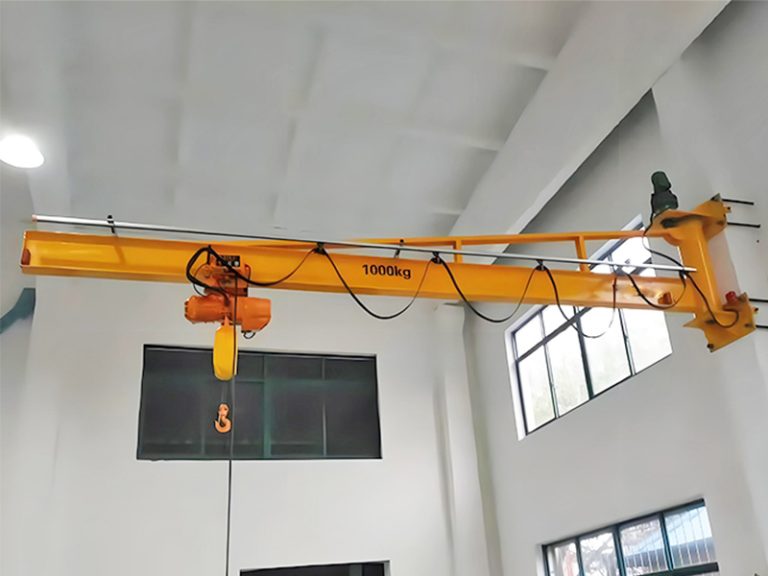
Wall-mounted cranes attach straight to facility walls. Tight floor space suits these cranes. Vertical movement stays effective where needed.
Articulating Arm Jib Cranes for Complex Movements
Accessing past barriers or into narrow spots requires special tools. Articulating arm jib cranes extend reach. Multiple pivot points aid better control.
Operational Benefits That Make a Difference Daily
Faster Load Handling With Minimal Downtime
Jib cranes shorten lift cycles. Even rotation and steady travel motion help. Throughput rises without extra workers or equipment.
Lower Maintenance Requirements Compared to Other Systems
The simple mechanics of jib cranes mean fewer failures. Servicing costs stay low. High-use areas value this dependability.
Ergonomic Handling That Reduces Worker Fatigue
Jib cranes aid in raising heavy parts. Physical stress on workers eases. Safety improves. Employee morale builds. Turnover falls.
What Should You Consider Before Investing in a Jib Crane?
Load Capacity and Reach Requirements Based on Your Workflow
Daily lifting demands guide the jib crane choice. Lifting Capacity: 1t-32t covers various setups. Businesses match options to load weight and span needs.
Integration With Existing Lifting Equipment, Like Overhead Cranes or Hoists
Current gear, like electric chain hoists or overhead cranes, must fit. FLAGCRANE supplies various lifting and handling systems. Heavy-duty processes to clean-room setups and harsh environment lifting equipment all gain matches.
How Does a Jib Crane Improve ROI in Manufacturing?
Increased Throughput With Minimal Capital Investment
Jib cranes speed material flow. Infrastructure changes stay small. Manufacturers raise output without big spending.
Reduced Workplace Injuries Lead to Long-Term Savings
Manual handling drops with jib cranes. Musculoskeletal injuries among workers are becoming less common. Insurance claims decrease over time. Operations run more smoothly.
What Other Lifting Solutions Should You Know About?
Is an Overhead Crane Better for Full-Facility Coverage?
Yes. Full area coverage with high load needs calls for overhead cranes. Lifting Capacity: 5t to 800t suits heavy tasks. Steel mills and shipbuilding yards benefit.
When Do Underhung Bridge Cranes Make Sense?
Buildings with low headroom fit underhung bridge cranes. The cranes travel along the bottom flange of beams. Coverage comes without height issues.
Should You Consider Gantry Cranes for Outdoor Use?
Gantry cranes work well outdoors. Construction sites or open yards use them. Movement and adjustable spans provide value.
Why FLAGCRANE is the Go-To Partner for Industrial Lifting Solutions
FLAGCRANE acts as an expert group company. Crane design, manufacturing, sales, installation, after-sales, and maintenance are combined under one roof.
Over 30 years of experience cover crane design, fabrication, delivery, and installation for global applications. FLAGCRANE delivers full solutions matched to customer needs.
Products range from electric chain hoists and underhung bridge cranes to 800T double girder gantry cranes and 360T European style double girder overhead cranes.
Quick support arrives wherever needed. The service team commits to keeping cranes running at worksites. 24/7 after-sales services stand ready.
FLAGCRANE’s focus goes past basic function. Environmentally sound practices enter product development. Energy use improves. Material waste cuts in production.
FAQ
Q: What is the typical load capacity of a jib crane?
A: Jib cranes generally handle between 0.5t and 10t, though custom configurations can support more depending on industrial requirements.
Q: Can a jib crane be used outdoors?
A: While typically used indoors, some freestanding jib crane models can be adapted for sheltered outdoor use if installed properly with weather-resistant materials.
Q: How does a jib crane compare with an overhead crane?
A: Overhead cranes are better suited for full facility coverage and heavier loads, while jib cranes provide precise lifting in smaller zones at a lower cost.
Q: Are FLAGCRANE products customizable?
A: Yes. FLAGCRANE provides professional, customized lifting equipment for customers with different applications and needs, including non-standard solutions like 225T casting overhead cranes.
Q: How long does it take to install a jib crane?
A: Installation is typically quick, often completed within days, depending on site readiness—resulting in minimal production downtime.