Buying machinery from an overseas crane factory takes more work than just checking price quotes. An overhead crane might handle the promised weight limit. Yet, it could still clash with the ceiling height. It might also interfere with runway tracks or your daily building workflow. This guide assists purchasers. It helps them verify production skills. Buyers can also check technical details and shipping preparations before placing a final order.
1. Why Should Overseas Buyers Audit a Crane Factory Before Ordering?
Strolling through a workshop does not ensure high-quality products. Purchasers require solid proof. This evidence must connect the agreed design to raw materials. It must also link to building methods, testing phases, and final delivery. Ask for basic layout drawings before starting your audit. You should also request a technical contract and a clear testing schedule. Apply these exact standards to evaluate all potential suppliers.
2. Crane Factory Audit Checklist: What to Inspect Before and During Your Visit
Verify the Manufacturer’s Production Facilities and In-House Capabilities
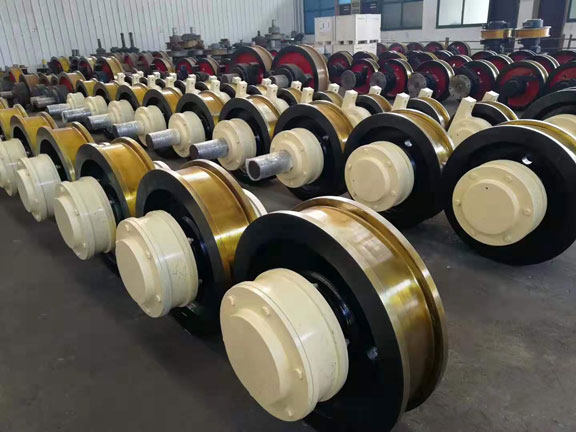
Carefully inspect the areas used for metal cutting and welding. You should also check the part machining and final assembly zones. At FLAGCRANE, our team utilizes CNC cutting machines and automatic welding tools. We also operate shot-blasting gear. This equipment works alongside ultrasonic and X-ray flaw detectors. Find out exactly which tasks happen inside the main facility. Check if their machines can fit your specific girder sizes. Furthermore, ask how the management controls any outsourced tasks.
Review Crane Design, Load Requirements, and Duty Classifications
Compare the stated weight capacity with your local site plans. You must also check the rail-center span and total lifting height. Review the working class and the total runway length. The width of your building plays a major role. The available roof clearance is also very important. Column locations and the highest possible wheel loads matter. They might force you to choose a completely different crane type.
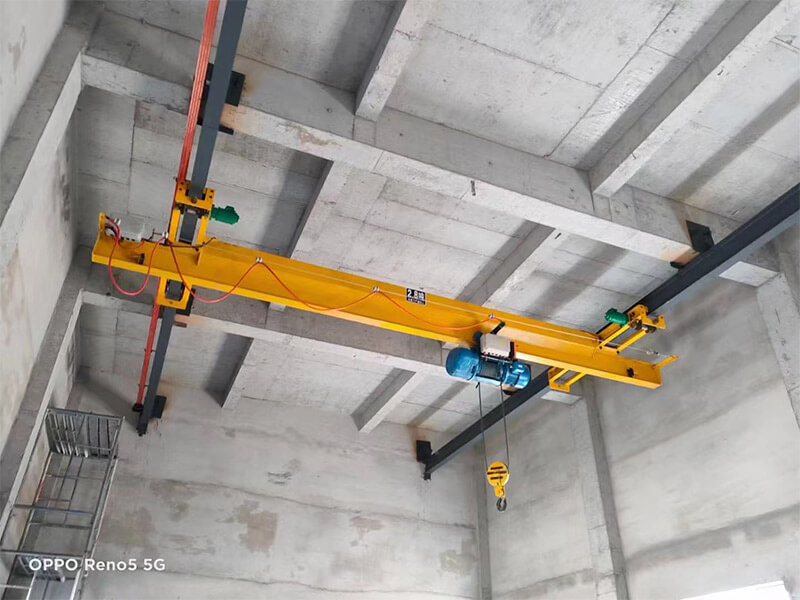
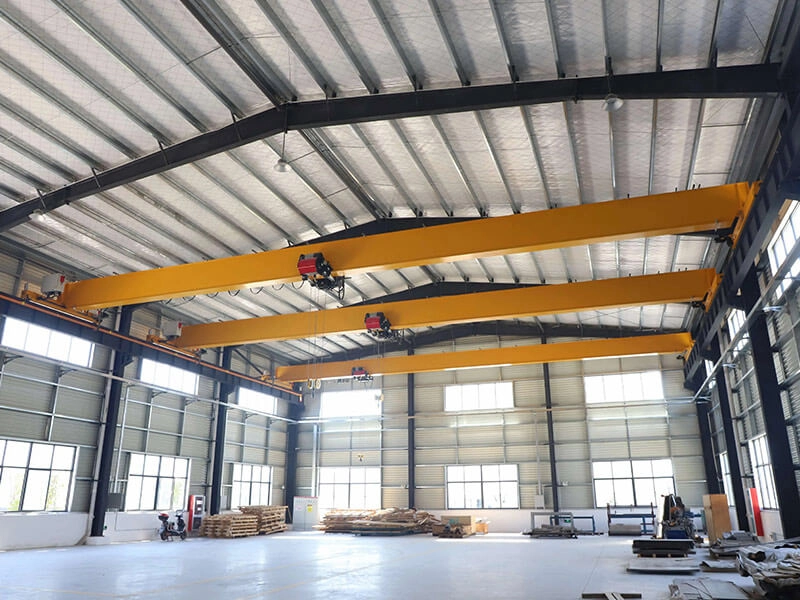
For a quick reference, our HD single-girder overhead crane handles weights between 2 and 16 tonnes. It features spans ranging from 7.5 to 28.5 m. It also maintains an A5 duty rating. However, finding the perfect size requires extra steps. You must confirm the exact hook approach. You also need to measure the open headroom. Checking the strength of the supporting structures is highly necessary.
Inspect Steel Fabrication, Welding Quality, and Material Traceability
Track a main girder from its initial steel marking. Follow this part through the welding phase. Then, observe the final surface coating process. Ask the staff to provide raw material certificates. You should also demand weld test reports. Request physical size measurements as well. Our HD crane production relies on CNC-cut web plates. We combine automatic welding with non-destructive testing. We also use Sa2.5 shot blasting. Make sure to review the actual testing scope. Do not simply trust a verbal promise stating that every single weld is perfect.
Check Hoists, Drive Systems, Electrical Controls, and Safety Components
Compare the suggested hoist and electric motor against your signed technical documents. Do the same for the braking unit and gearbox. Our CD/MD wire-rope hoists provide options for either single-speed or dual-speed movement. Meanwhile, the HD series relies on an ND hoist. Take time to test the emergency stop buttons. You must also check the lifting limit switches. Inspect the overload safety devices and the travel movement controls. Finally, verify the power voltage and electrical frequency. Check the outer casing protection and the labels for spare parts.
3. How to Verify Crane Testing, Compliance, and Export Readiness
Check Applicable Crane Standards and Certification Documents
Confirm the engineering standards before manufacturing starts. You must also validate the specific legal rules of the destination country. A basic ISO management paper does not replace strict product safety rules. Ask the builder for signed design drawings. You also need detailed electrical wiring maps. Obtain the exact testing steps. Finally, secure the compliance certificates required by your local market.
Witness Factory Acceptance Testing (FAT) and Required Load Tests
Establish clear goals for the Factory Acceptance Testing (FAT). Do this before the factory starts building. Watch the machine move without any weight attached. Test the brakes and safety limits carefully. You should also check the driving functions. Observe the heavy load trials and structural bending tests mandated by industry rules. Ask for the details of their measuring tools. Record the real-time numbers. Sometimes, a full-length span test cannot happen inside the factory. If so, list out the exact tests. Technicians must perform these tests after site installation.
Review Quality Inspection Reports, Export Packaging, and Shipping Documents
Match the physical part numbers directly to the printed test files. You must also compare them with the shipping lists. Ensure the factory provides proper moisture wrapping. They must also mark clear lifting points. Check the box sizes and loose bolts. Inspect small electrical add-ons as well. Extremely long girders often need unique trucking plans.
| Audit Item | Evidence to Request | Warning Sign |
| Fabrication | Material and weld records | Missing traceability |
| Testing | Signed FAT results | No recorded readings |
| Shipping | Packing list and dimensions | Unidentified loose parts |
4. How Do Crane Factory Audit Requirements Differ by Industry?
Steel Mills: Heavy-Duty Operation, High Temperatures, and Metallurgical Lifting
Steel production sites need inspections that go far beyond basic weight limits. You must consider the daily usage rate and extreme heat levels. Heavy dust and the specific material handling style are also important. At FLAGCRANE, we supply metallurgical overhead cranes. These cranes feature A5–A8 duty ratings. We also provide extra features like electromagnetic lifters. Heavy-duty C-hooks are available too. Moving liquid metal demands a specially built crane. It also requires a strict safety review tailored to that exact project.
Manufacturing and Maintenance Workshops: Precision, Workload, and Equipment Reliability
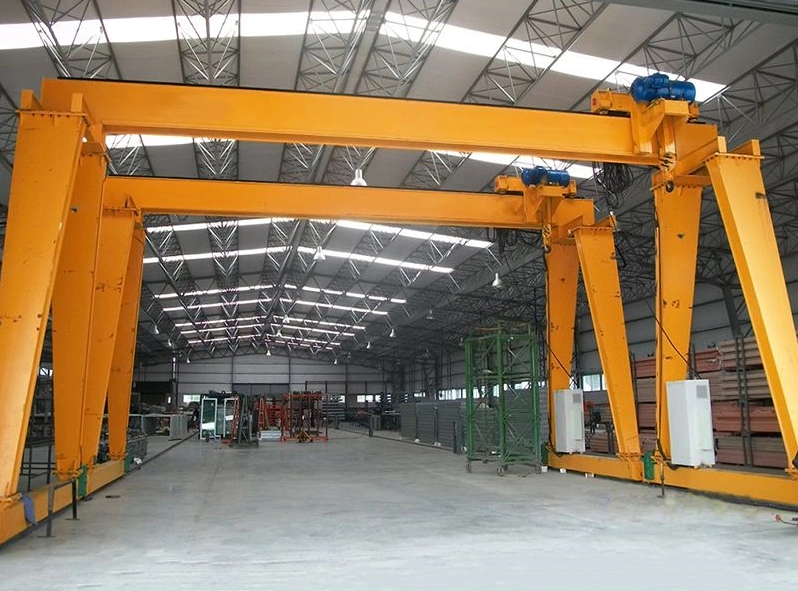
When dealing with metal fabrication and machine building, look closely at the movement speed. Check the total floor area the hook can reach. Also, evaluate how easily workers can access the parts for routine repairs. A small single-girder crane often fits perfectly inside a building with a low ceiling. On the other hand, a double-girder setup usually works better. It is ideal for lifting massive objects. It also helps achieve a higher hook position.
As a practical example, we delivered two HD 10t single-girder cranes. These cranes feature 14.02m spans. We sent them to a mechanical testing facility in Trinidad and Tobago. The weight limit and the span length give buyers a good starting point. However, the runway stress still demands careful attention. The internal building spaces also require site-specific measurements.
Power Plants and Pumping Stations: Maintenance Lifting and Site-Specific Requirements
Repair cranes might sit idle for long periods. Even so, they must access vital machinery safely during emergencies. Measure the exact hook distance above large turbines. Do the same for water pumps. Inspect the floor openings and the runway beams. You must also check the local power supply. Our HD single-girder and N/LH double-girder systems work well for these repair tasks. However, our engineers must review the site details first.
5. How to Evaluate Audit Results Before Approving a Crane Factory
Identify Critical Findings, Request Corrective Actions, and Confirm Shipment Readiness
Group the discovered problems. Sort them based on how they impact worker safety. You should also consider their effect on final delivery times:
1. Halt the final approval if you find ignored structural flaws. Do the same for broken brakes or missing safety documents.
2. Ask the factory for a clear timeline to fix mistakes. Require them to send clear photos. New testing files can also serve as proof.
3. Allow the shipping process to begin only when all promised checks are complete. Packaging reviews must also be fully finished.
When you reach out to FLAGCRANE, please provide the desired capacity. We also need the span distance and total lifting height. Please share your building blueprints and runway length. The daily duty cycle and final destination country are also necessary. We can easily talk about the best machine setup. Our team will also explain the required inspection steps. We do this before you accept the price quote.
6. FAQ
Q: What should overseas buyers check during a crane factory audit?
A: Look at the actual manufacturing ability. Review the signed engineering drawings. You must also check the welding logs and hoist parts. Inspect the safety switches as well. Gather physical proof of testing. Watch the shipping preparations carefully. Ensure every single check directly relates to the specific crane you plan to buy.
Q: How can I audit a crane factory in China without visiting in person?
A: Ask the supplier for a live video tour of their workshop. Request recent production files. You can also hire an independent testing agency. Instruct the hired inspector to examine your exact machine order. They should not just look at the general factory buildings.
Q: What is the difference between a crane factory audit and a factory acceptance test (FAT)?
A: An audit evaluates the overall business practices. It also checks the production skills of the supplier. In contrast, the FAT confirms the promised mechanical functions. It tests the specific performance of one individual crane. This happens right before shipping.
Q: Which certifications and documents should I request from an overseas crane factory?
A: You should ask for relevant quality papers and structural design plans. Request raw material logs and welding histories. Also, ask for the electrical wiring charts and final testing files. Always verify any extra local safety rules on your own.
Q: Should overseas buyers hire a third-party inspector for crane factory inspection before shipment?
A: Hiring an independent expert is highly beneficial. It helps a lot when placing your very first order. It is also smart for heavy-duty machinery. Remote projects lacking local repair teams also benefit from this. Make sure to agree on the exact testing rules. Do this before the factory starts cutting steel.