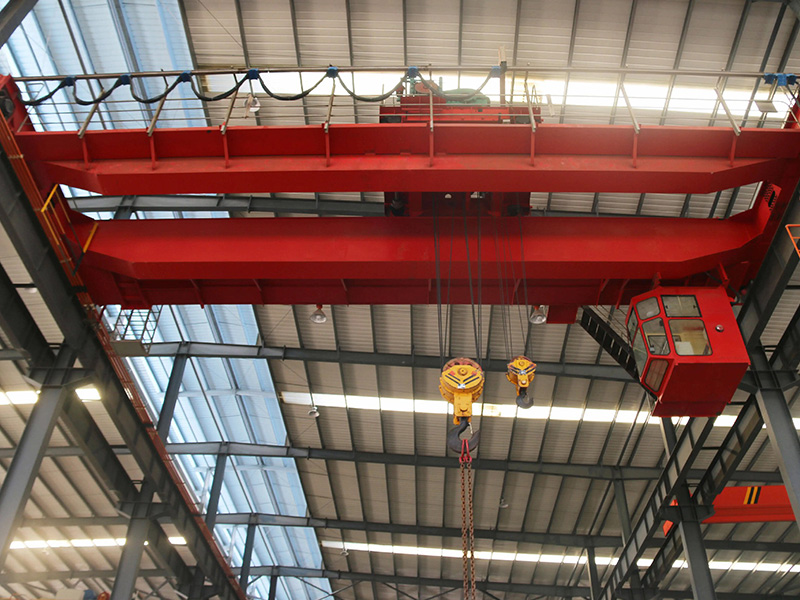
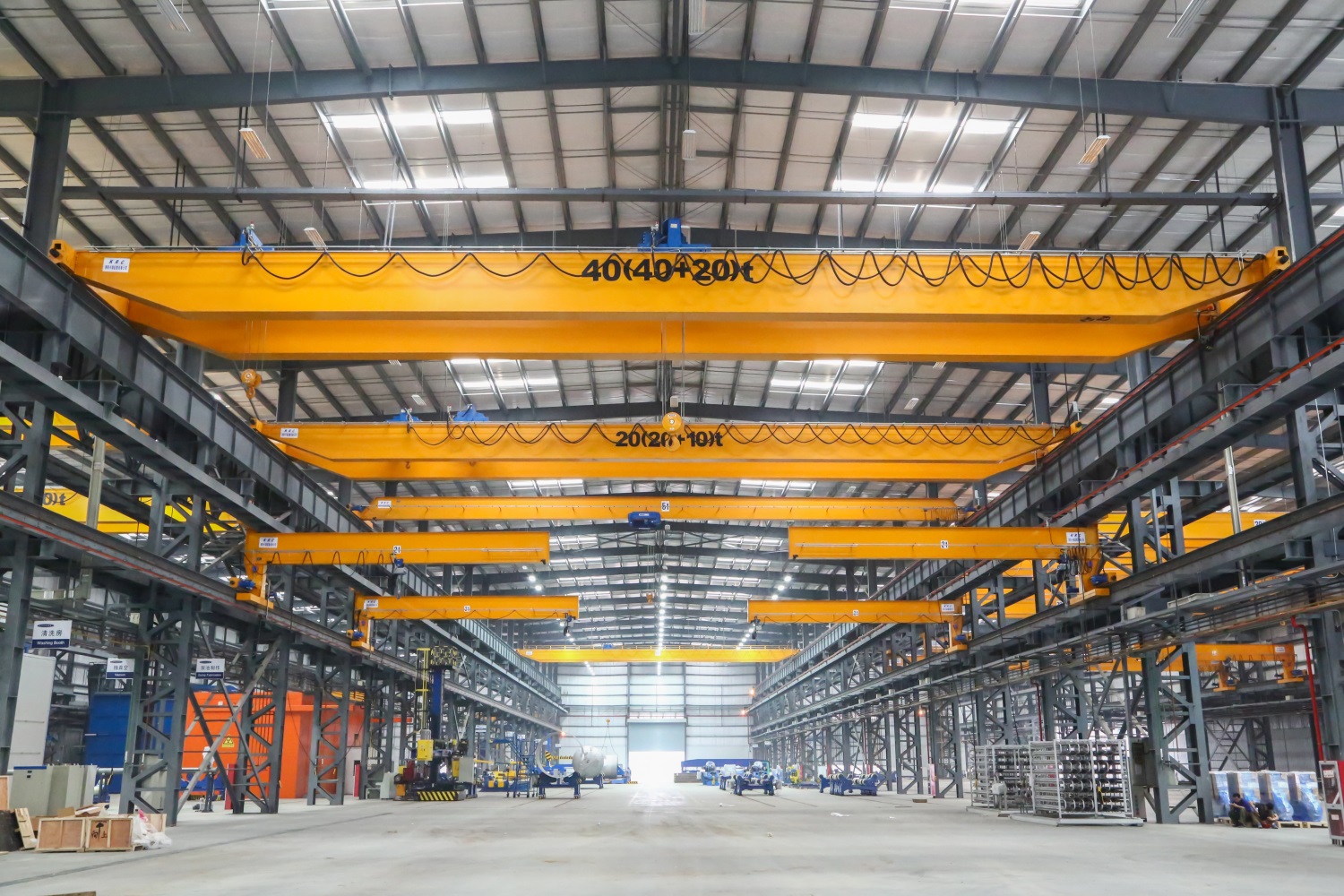
Choosing a crane supplier takes more effort than just looking at prices. Steel mills, factories, power stations, and maintenance shops constantly need reliable equipment. These machines must match their unique lifting tasks perfectly. Furthermore, the cranes need to fit inside existing buildings and suit daily work conditions. A true manufacturer links engineering, fabrication, inspection, and customer service together. Therefore, buyers must figure out who actually controls the equipment design. They also need to understand who takes full responsibility after the final delivery.
Why the Distinction Matters for Industrial Crane Buyers
An overhead or gantry crane acts as a core piece of any facility's production line. Choosing the wrong capacity, hook height, or duty classification can seriously harm workplace safety. This mistake can also lower your overall output. Additionally, routine maintenance costs might increase over the years. Keep in mind that a remarkably cheap quote might ignore essential items. For instance, it could leave out electrical controls, proper installation, or basic commissioning steps.
The ultimate test remains quite simple. You simply need to verify if the supplier manages the engineering, production, testing, and after-sales support entirely on their own.
5 Ways to Verify a Crane Manufacturer
1. Check the Factory and Production Equipment
Always ask for a live video tour or plan a physical visit. You really need to view the actual fabrication facilities. A beautiful showroom alone is never enough. Instead, you should look for heavy steel cutting and leveling machines. You will also want to spot active machining centers and busy welding stations. Furthermore, shot-blasting systems and accurate inspection tools are completely vital.
At FLAGCRANE, we run a massive heavy steel workshop. This facility covers over 400,000 square meters of space. Inside the plant, we maintain more than 1,000 sets of modern processing and testing equipment. This advanced gear includes CNC cutting, automatic welding, and large shot blasting machines. Moreover, we regularly use X-ray and ultrasonic flaw detection tools to ensure quality.
2. Evaluate Engineering and Customization Capability
A capable manufacturer will gladly discuss your specific lifting tasks. Their engineers will review your factory drawings very carefully. Afterward, they will demonstrate exactly how the new crane fits into your current workspace.
There are many details that you have to prepare ahead of time for an overhead crane. Determine the following capacity, span, lifting height, runway length and clear headroom. The building dimensions over which the runway beams will be laid. Next categorize load type, lifting points, daily hours worked per day, lifts / shift and working class. Gantry Cranes
As your next option, gantry cranes can also use the rail gauge, ground conditions and total travel distance information.
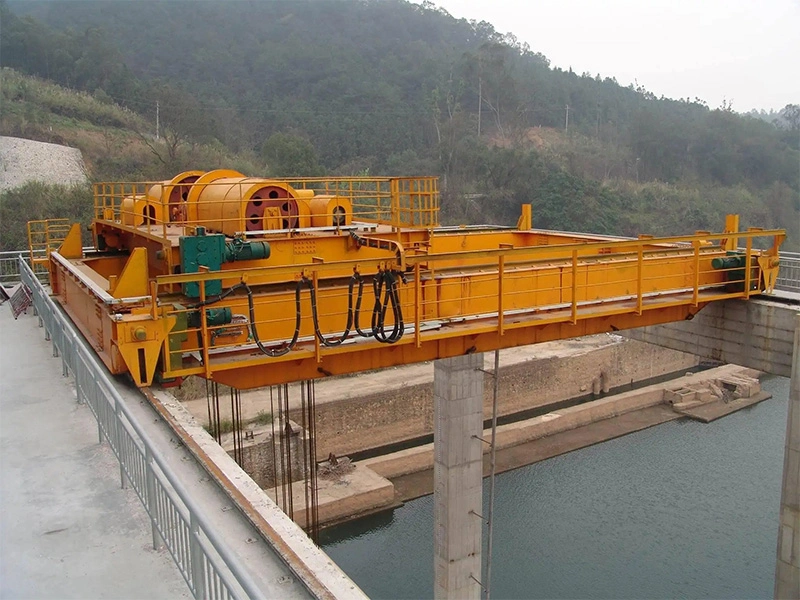
Below are the standard product ranges found in our current catalog. Even so, we always need to confirm the correct capacity-span combination for every single unique project.
| Crane type | Capacity range | Span range |
| QDX double-girder overhead crane | 5–320 t | 7.5–35 m |
| MG double-girder gantry crane | 5–800 t | 7.5–50 m |
| LD single-girder overhead crane | 1–32 t | 7.5–28.5 m |
You must also verify the lifting height, duty class, hook approach, and maximum wheel loads. Pay close attention to the overhead clearance and the local power supply as well. All of these technical details determine whether the crane actually fits inside the building. Furthermore, they prove whether the equipment can survive your tough daily tasks.
3. Examine Quality Control and Testing
Ask the possible supplier how they inspect raw materials, structural welds, machined parts, and electrical panels. Find out exactly how they test the fully finished crane. Always ask for their official material certificates and thorough welding records. Also, request non-destructive testing reports and standard factory test documents.
When buying bridge cranes, you should talk about girder fabrication methods and expected deflection limits. Surface preparation and paint coating quality are very important too. At FLAGCRANE, we depend on automatic welding processes and strict non-destructive testing. We also conduct complete shot blasting and careful surface checks before we apply any paint.
4. Check Relevant Industry Experience and Product Range
The supplier's previous work history should match your specific operational needs. A power station maintenance crane differs massively from a heavy-duty unit moving hot steel coils in a busy mill. Ask the vendor to share past projects featuring similar heavy loads and harsh working conditions.
You must confirm whether the supplier offers the correct lifting attachments for your materials. These tools could be strong C-hooks for steel coils or heavy electromagnets for thick steel plates. Specialized lifting beams, grab buckets, and lifting tongs are excellent options too. At FLAGCRANE, we proudly manufacture single- and double-girder overhead cranes. We also build reliable gantry cranes and specialized metallurgical cranes. Naturally, we supply custom lifting attachments to match these machines perfectly.
5. Confirm Installation, After-Sales and Spare Parts Support
You need to clarify exactly who provides the installation assistance, final commissioning, and basic operator training. Moreover, discover who supplies ongoing maintenance advice and critical spare parts. Always check the precise warranty terms in the contract. Finally, ask who will fix sudden technical problems in your specific region.
At FLAGCRANE, we deliver complete equipment design, fast setup, system upgrading, modification, worker training, and dedicated after-sales care. We also stock essential replacement parts for multiple popular crane brands. Overseas buyers must always review their local service plans carefully. Furthermore, they should confirm the actual delivery times for emergency spare parts.
Manufacturer vs Trading Company: What Should Buyers Compare?
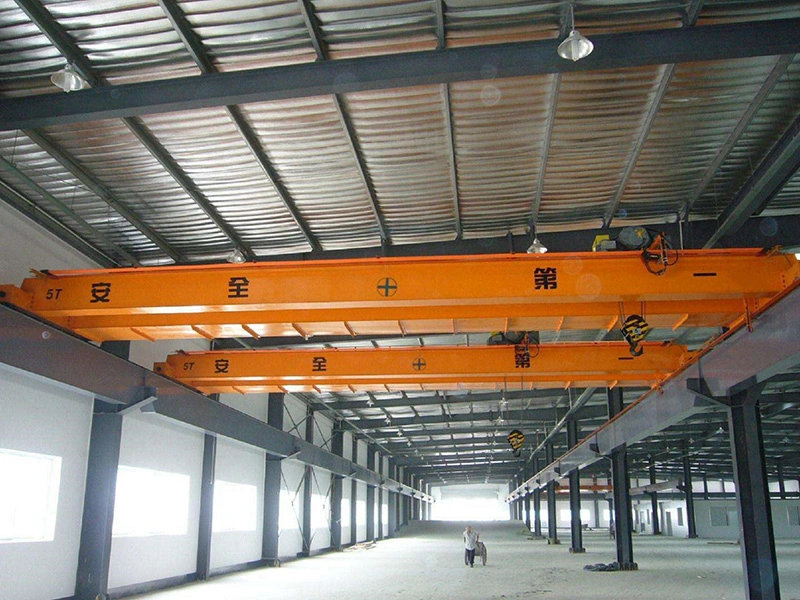
The primary difference usually comes down to overall quality control and final accountability. A standard trading company might merely handle product sourcing and international shipping. On the other hand, a genuine manufacturer demonstrates direct, active involvement in the daily production process. They also make all the crucial technical decisions.
| Checkpoint | Manufacturer | Trading company |
| Factory access | Can display its production site | Often depends on a partner factory |
| Engineering changes | Direct talks with engineers | Requests go through the factory |
| Production updates | Can give updates from the workshop | Relies on factory updates |
| Quality records | Can supply process logs | Must get logs from the factory |
| Responsibility | Sets manufacturing and service terms | Must name the producer and warranty provider |
A trading company is not automatically a terrible choice. However, you absolutely must identify the actual producing factory and the official contract signer. You also need to know the exact business group responsible for the crane design, quality assurance, warranty claims, and future service.
What to Prepare Before Requesting a Crane Quotation?
A clear, comprehensive inquiry helps suppliers create highly accurate proposals. Please share the following important details:
1. Application and crane type. Clearly explain the handled material and the typical daily workflow.
2. Dimensions. State the required capacity (t), span (m), maximum lifting height, runway or travel length, and available headroom.
3. Operation. List the expected working class, total lifts per shift, daily operating hours, required speeds, and the desired control method.
4. Site conditions. Mention if the facility building is completely new or already existing. Provide the runway beam details, rail type, and local power supply voltage. Note whether the application requires indoor or outdoor use. Also, include the average temperature, environmental dust levels, and ambient humidity.
5. Load handling. Provide the specific material size and maximum weight. Point out the exact lifting points on the load. Mention any special attachment needs, such as a sturdy C-hook or a powerful electromagnet.
Here is a very helpful buying example. When you compare two different quotes for a 20-ton overhead crane, check the fine details closely. Make absolutely sure both offers use the exact same span, hook height, and duty class. You should carefully compare the calculated wheel loads, electrical controls, factory testing, site setup, and final commissioning terms. Never look at just the bottom line price alone.
Why Work with FLAGCRANE?
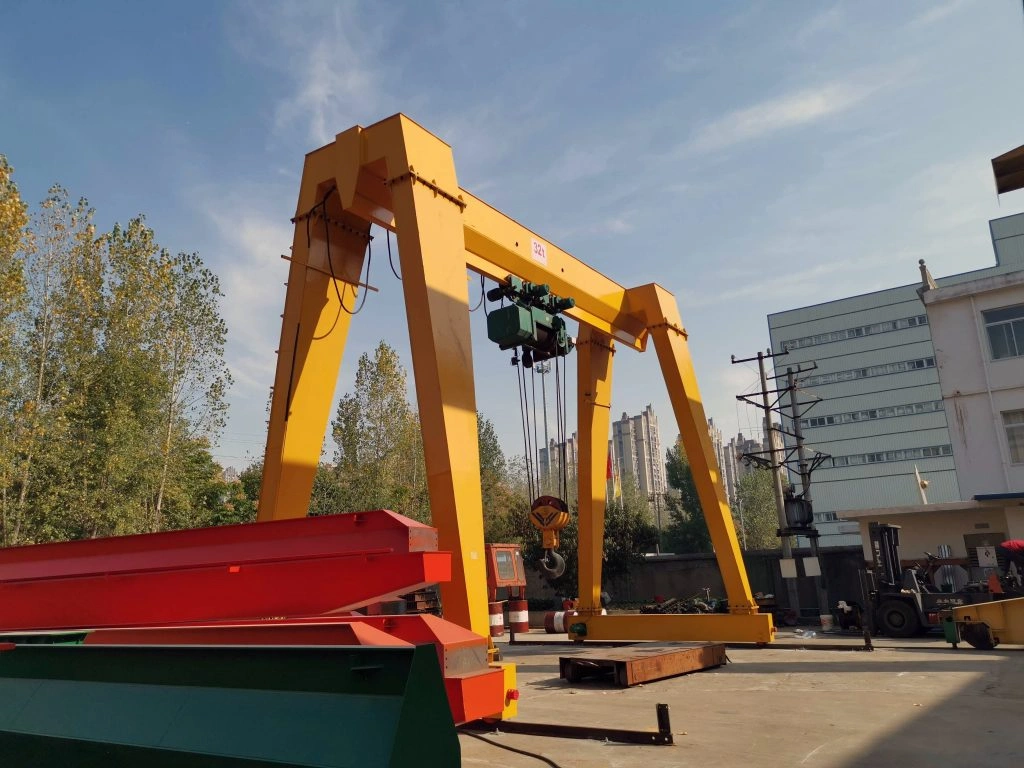
At FLAGCRANE, we seamlessly combine custom crane design, professional manufacturing, global sales, site setup, after-sales service, and daily maintenance support. We possess more than 30 years of rich, practical industry background. We currently employ over 1,600 hard-working staff members alongside more than 200 highly skilled technicians. We proudly assist satisfied industrial clients across over 50 distinct countries worldwide.
For busy steel mills, modern factories, maintenance shops, and large power stations, we study the specific lifting task very closely. We carefully evaluate the building limits and special attachment needs before we ever suggest a final setup. View our crane and lifting equipment range or learn more about FLAGCRANE. Send us your required capacity, span, lifting height, facility drawings, and daily work conditions today. We can easily start a deep, productive technical discussion.
FAQ
Q: How can I verify whether a crane supplier is a real crane manufacturer?
A: You should always ask for a comprehensive factory tour. Request detailed equipment lists, live fabrication photos, and official inspection logs. Make sure the chosen supplier can easily explain its own internal production steps.
Q: Is it better to buy an overhead crane directly from a manufacturer?
A: Buying directly from the factory can make complex technical talks and production tracking much easier. However, you must carefully compare the engineering support, quality checks, contract duties, and available after-sales help.
Q: What information does a crane manufacturer need for an overhead crane quotation?
A: You need to supply the required capacity, span, lifting height, total runway length, and available headroom. Also, please include the working class, daily operating frequency, local power supply, specific load facts, and accurate site drawings.
Q: What is the difference between an overhead crane and a gantry crane?
A: An overhead crane generally moves along high elevated runway rails. The existing building structure typically supports these heavy rails. In contrast, a gantry crane uses strong vertical legs to hold up the main bridge. It normally travels on steel tracks laid directly on the ground. Your exact site layout and the necessary lifting path will ultimately dictate the best equipment choice.
Q: Can a crane manufacturer customize capacity, span and working conditions?
A: This depends heavily on the core structural design, requested duty class, lifting height, maximum wheel loads, and unique site traits. You should share your facility drawings and daily operating facts to receive a proper, thorough engineering review.