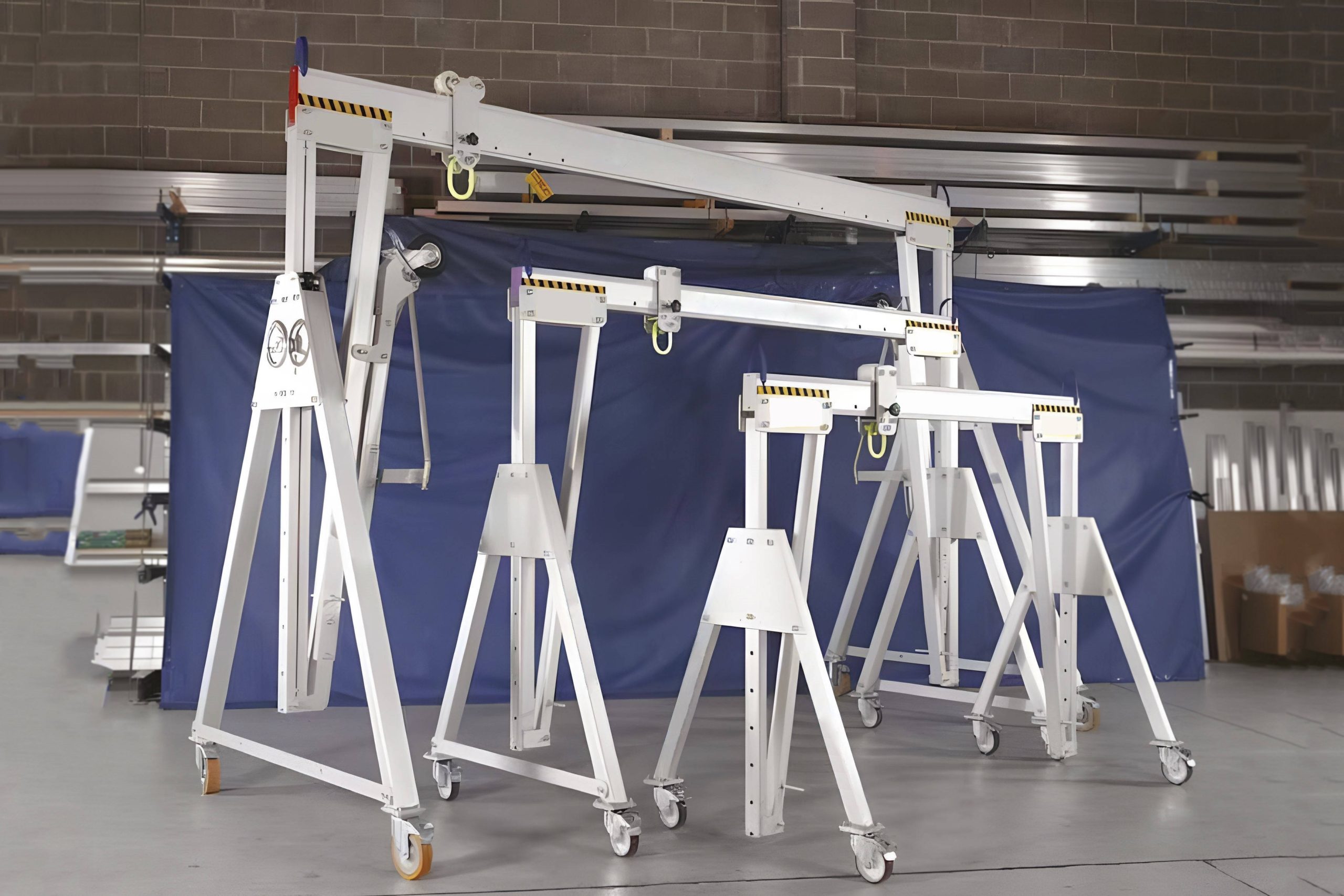
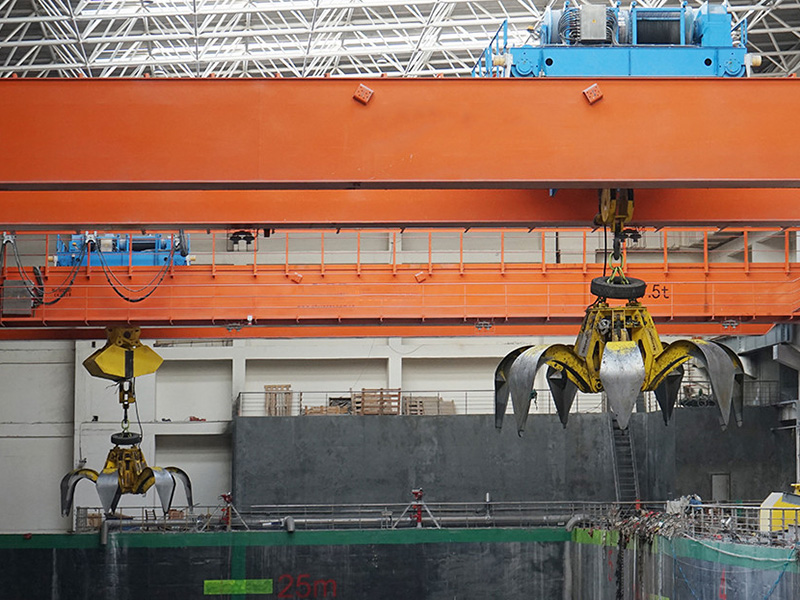
An outdoor gantry crane needs to withstand wind and corrosion, as well as safeguard electrical components. After severe weather has subsided and a subsequent inspection and system verification have been conducted, the system must also be able to safely restart again. As outdoor gantry cranes are installed in steel yards, manufacturing plants, power stations, and water facilities, the combination of outdoor weather and the various site environments with their attendant dust, moisture, high usage, and long periods of idle time poses particular problems for these systems.
Weatherproofing is a system-level design requirement rather than a single coating or accessory. A comprehensive weatherproofing solution must be designed and specified as a total system to take into account site-specific conditions, as well as the structural configuration of the gantry, the degree of protection afforded to the electrical components, operating practices, and maintenance procedures following severe weather events after thorough inspection and verification of the system.
What Weather Risks Affect an Outdoor Gantry Crane?
Strong Winds, Storms, and Uncontrolled Rail Movement
Wind acts on the bridge, legs, trolley, platforms, and suspended load. Gusts increase load swing, while a parked crane may move if its holding system is inadequate.
The supplier should distinguish between operating wind speed and the out-of-service (parked) wind load design condition. The latter affects structural calculations, rail clamps, storm locks, brakes, anchors, and parking position. Terrain also matters because open and partly enclosed yards experience different wind effects.
Rain, Industrial Corrosion, Dust, UV, and Temperature Cycling
Steel plants add metallic dust and scale to rain exposure. Water facilities create humidity and condensation, while manufacturing yards may contain oil mist, chemical vapor, or abrasive particles. UV degrades cable jackets and seals, and temperature cycling can draw moisture into enclosures.
These risks combine: dust traps water, damaged paint exposes steel, and corrosion starts around edges, welds, and bolts. Site environmental data should include rainfall records, humidity levels, contamination types, temperature range, solar exposure, and drainage conditions., temperature range, solar exposure, and drainage instead of simply stating “outdoor use.”
Which Weatherproofing Features Should an Outdoor Gantry Crane Include?
A practical specification should connect each hazard with a design response.
| Exposure | Typical Design Response | Buyer Verification Items |
| High wind | Sensor, brakes, clamps, locks, anchors | Operating limit and parking procedure |
| Rain and dust | Sealed enclosures, protected cable entries, drainage | Protection level by component |
| Corrosion | Surface preparation and coating system | Coating specification and repair method |
| Condensation | Heating, ventilation, drainage | Cabinet layout and access |
Wind Protection Devices and Site-Specific Structural Design
Wind protection may include wind monitoring devices (anemometer), alarm systems, automatic shutdown logic, brakes, rail clamps, storm locking devices, wheel chocks (for temporary positioning), or anchoring systems. The arrangement depends on crane size, rail layout, exposed area, local wind, and cantilevers.
Rail alignment, end stops, foundation strength, drainage, and the clamp-to-rail interface also require review. The semi-gantry information identifies wind resistance, limit switches, overload protection, grounding, thermal protection, emergency stopping, pre-assembly, and testing as relevant configuration points.
Anti-Corrosion Coatings and Protected Structural Details
The coating system should match the industrial atmosphere and maintenance interval. Specify surface preparation, primer, intermediate and finish coats, total dry-film thickness, and repair procedure.
Details matter as much as paint. Review weld toes, edges, bolted joints, rail supports, platforms, cable trays, and lower leg sections. Keep drains open, remove water traps, and provide a practical touch-up system.
Outdoor Electrical Enclosures, Motors, Cables, and Condensation Control
Specify electrical protection component by component. A cabinet under a canopy faces less exposure than a junction box near the wheels. Cable glands must match cable diameter, entries should avoid upward-facing paths, and wiring must not channel water into enclosures.
Motors, brakes, limit switches, pendant stations, remote receivers, and emergency devices must suit the site. Protection grades and control arrangements vary by equipment, so A single IP rating should not be applied uniformly across all crane components. Rain covers, cabinet heaters, drainage, and anti-condensation measures should be selected according to exposure.
How Should Outdoor Gantry Crane Specifications Change by Industrial Application?
Outdoor Gantry Cranes for Steel Yards and Manufacturing Plants
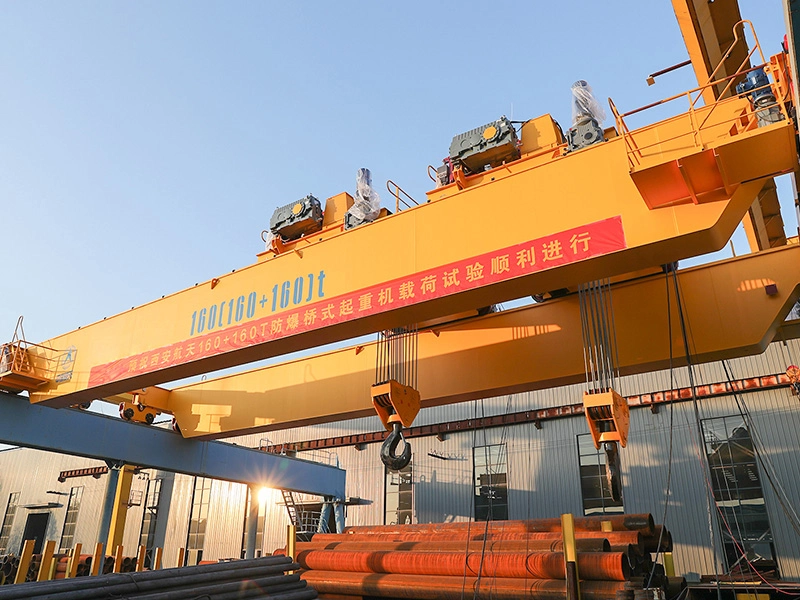
Steel yards often require frequent travel, accurate positioning, and load-specific attachments. Coils may require a C-hook or lifting tong, while plates and fabricated sections may use a lifting beam. Electromagnets or grabs may suit selected ferrous materials. FLAGCRANE lists these spreaders as customizable options, so their weight and wind area should be included in the crane design.
Duty class matters as much as rated capacity. A single-girder rail crane may suit intermittent handling, while a double-girder arrangement is more appropriate for higher loads, longer spans, frequent cycles, or tighter positioning. The MG double-girder range is intended for high-load service and can be customized for different working conditions.
Outdoor Gantry Cranes for Power and Water Station Maintenance
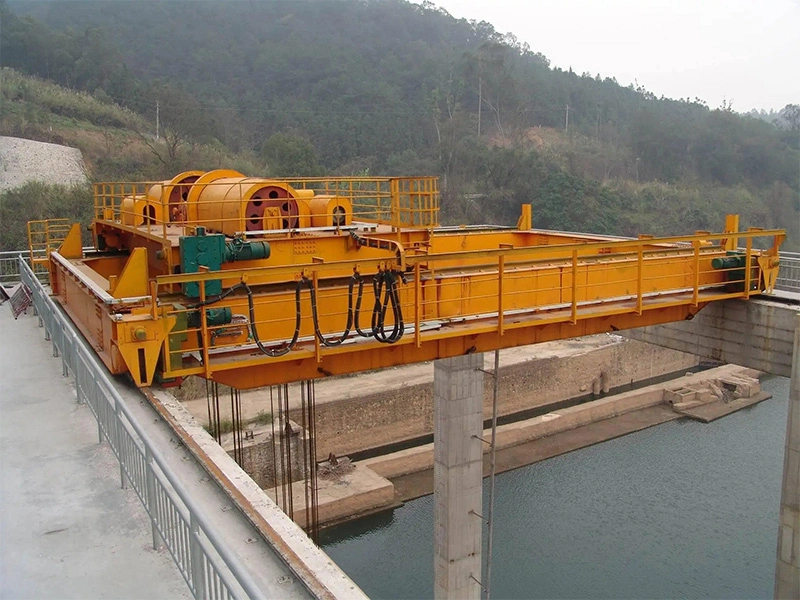
Power and water facilities may use a crane less often, but each lift can be critical. Typical loads include motors, pumps, valves, screens, and maintenance assemblies. Long idle periods increase concern over seized brakes, damaged seals, corrosion, and condensation.
Case example: a water facility removes a large pump several times per year. The best specification may prioritize protected controls, slow positioning, remote operation, corrosion-resistant details, and a documented pre-use inspection rather than maximum travel speed. The lifting beam should also be stored and inspected so it is ready for the next outage.
How Can Buyers Evaluate an Outdoor Gantry Crane Proposal?
Site and Operating Data Buyers Should Send to the Supplier
A supplier cannot engineer weather resistance from the words “outdoor crane.” The request for quotation should include:
- Rated load, load dimensions, center of gravity, and attachment weight.
- Span, lifting height, travel length, cantilever, and clearances.
- Lifts per hour, operating hours, positioning needs, and duty class.
- Wind conditions, temperature, rainfall, humidity, dust, and contaminants.
- Rail, foundation, drainage, power supply, controls, and local requirements.
Our inquiry checklist already requests capacity, lifting height, span, power supply, travel length, application, and detailed working conditions. Quantified environmental data turns that information into a usable weatherproofing brief.
Weatherproofing Requirements to Check in Quotations and Drawings
Compare proposals against the same checklist:
- Structural design basis and stated wind conditions.
- Wind alarms, clamps, anchors, and parking arrangement.
- Coating preparation, layers, thickness, and repair instructions.
- Protection level and location of major electrical components.
- Cable routing, glands, drainage, heating, and condensation control.
- Access for inspecting brakes, wheels, clamps, cabinets, and joints.
- Testing, drawings, manuals, spare parts, and commissioning scope.
A proposal that only states “weatherproof” without technical parameters is considered incomplete in engineering evaluation. Each risk should lead to a drawing note, component specification, operating instruction, or test record.
How Can Maintenance Preserve Outdoor Gantry Crane Weather Resistance?
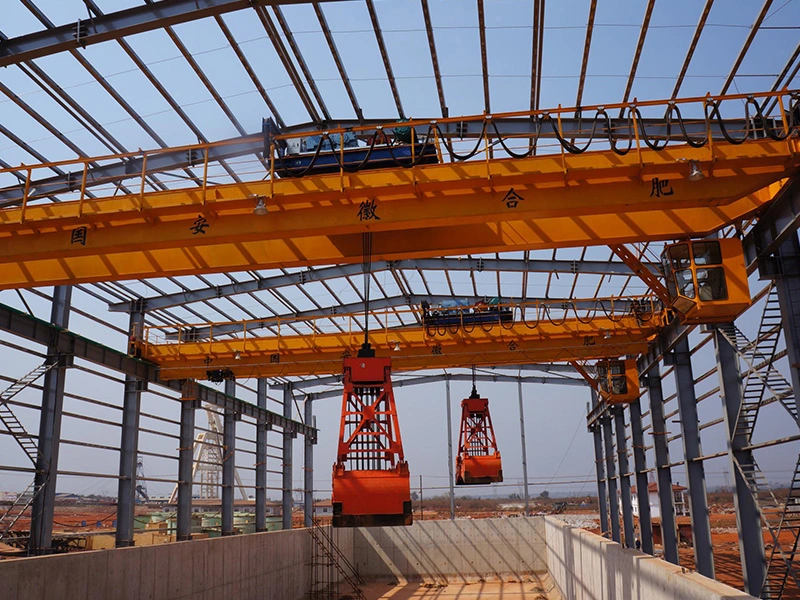
Routine Inspection of Coatings, Rails, Brakes, and Electrical Enclosures
Pre-shift checks should cover coating damage, rust, blocked drains, rail debris, loose fasteners, cable damage, enclosure seals, brake response, travel limits, and wind-protection devices. Water inside a cabinet requires root-cause correction, not only drying and resetting.
Periodic work should verify clamp engagement, inspect wheels and rails, test alarms, clean ventilation paths, and confirm that anti-condensation devices operate. Small paint damage should be repaired before corrosion spreads beneath the surrounding coating.
Storm Shutdown, Parking, and Post-Weather Restart Procedures
A storm procedure should require operators to:
- Stop lifting before the specified operating limit is reached.
- Lower and remove the suspended load.
- Move the crane to its designated parking position.
- Apply brakes, clamps, storm locks, or anchors in sequence.
- Secure accessories and isolate power where instructed.
- Inspect rails, structure, enclosures, and safety devices before restarting.
The procedure must match the supplied crane because holding devices and limits vary by design.
FAQ
Q: What IP rating is required for outdoor gantry crane electrical components?
A: There is no universal rating. The required protection depends on rain, dust, spray, condensation, mounting position, and maintenance access. Cabinets, motors, junction boxes, and sensors may need different ratings.
Q: How much wind can an outdoor gantry crane safely operate in?
A: The limit depends on structure, span, exposed area, suspended load, and site conditions. Buyers should request both the operating wind limit and the non-operating design condition.
Q: What anti-corrosion coating is suitable for an outdoor gantry crane?
A: The system should match industrial corrosivity, humidity, UV exposure, and the planned maintenance interval. The quotation should state preparation, coating layers, dry-film thickness, and repair method.
Q: How should an outdoor gantry crane be secured during a storm?
A: Remove the load, move the crane to its parking location, and apply the specified brakes, rail clamps, storm locks, or anchors in the documented sequence.
Q: How often should weatherproof components on an outdoor gantry crane be inspected?
A: Visible safety and weather-exposed items should be checked before operation, with detailed inspections scheduled according to duty and environment. Additional checks are needed after storms, flooding, icing, or long shutdowns.