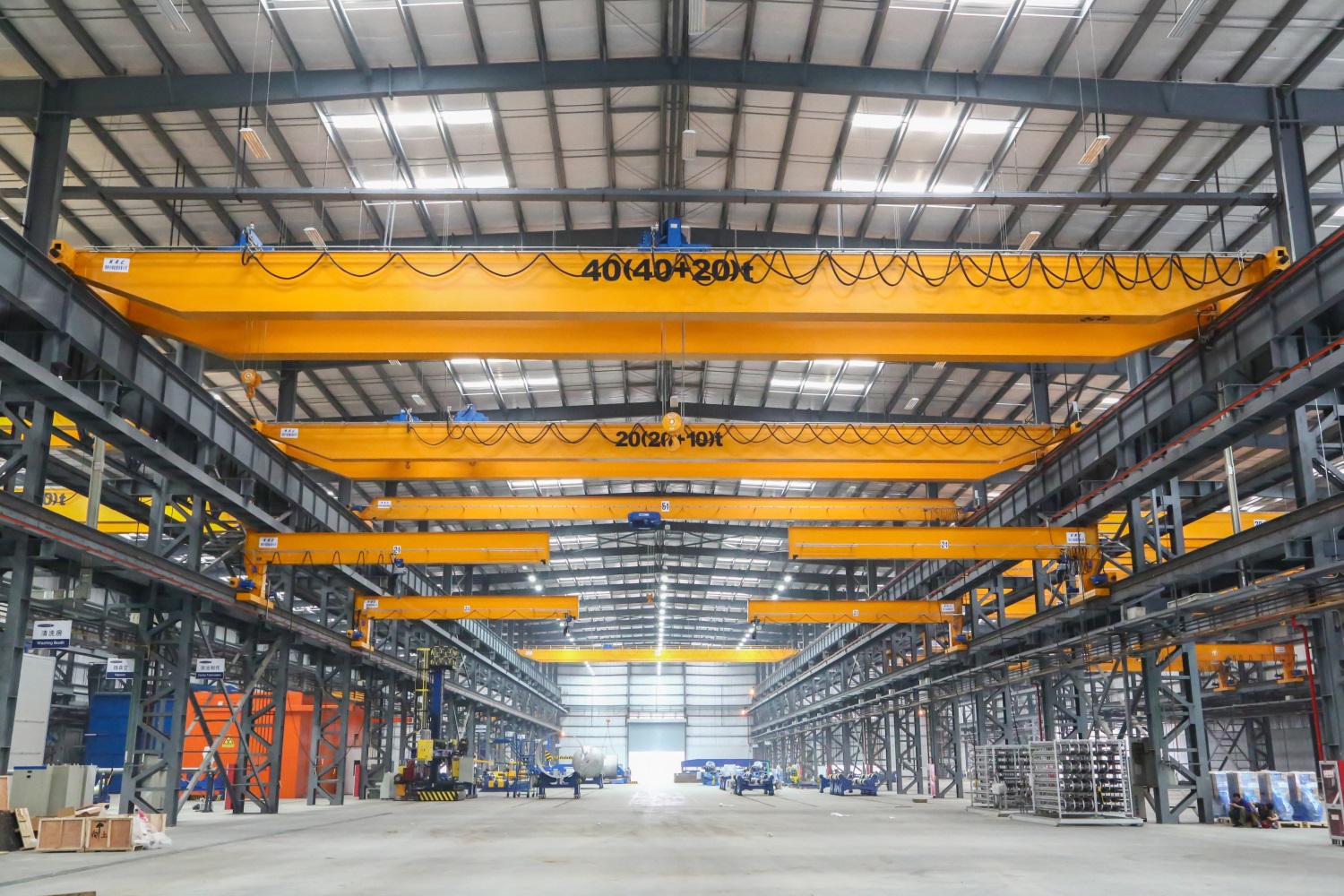
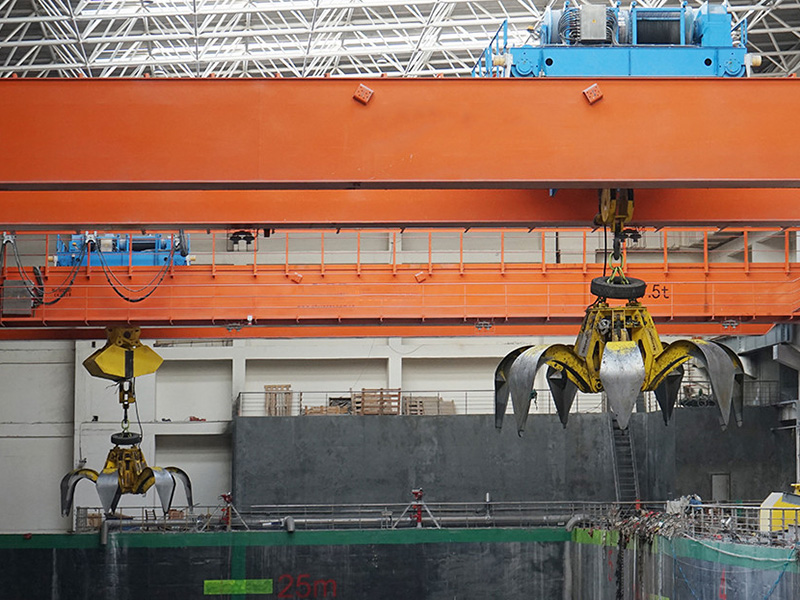
Selecting an overhead crane requires more than just matching the tonnage to your heaviest load. Capacity, span, lifting height, headroom and duty class are closely related factors that affect bridge weight, wheel loads, available clearance and overall project cost.
This guide helps translate production requirements and facility conditions into practical crane specifications for manufacturing plants, steel mills, maintenance workshops and utility facilities.
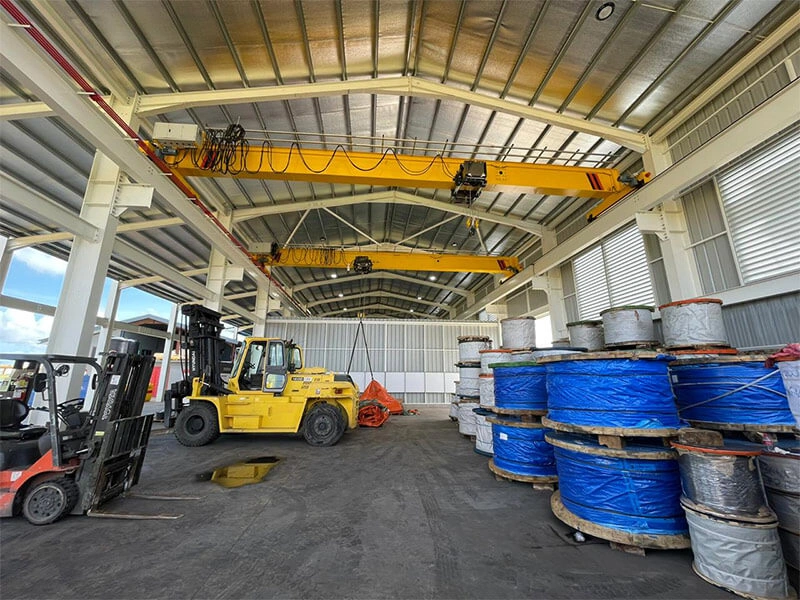
1. Key Overhead Crane Specifications: Capacity, Span, and Lift
Determine Crane Capacity Based on the Maximum Suspended Load
Start by calculating the maximum load the hook can actually carry, rather than considering only the workpiece weight. This calculation should include slings, lifting beams, C-hooks, magnets, grabs, tongs and any other below-the-hook attachments.
At FLAGCRANE, our engineering team evaluates your materials, attachments, and working conditions to recommend the optimal capacity. Our cranes can be configured with various attachments, including lifting beams, electromagnets, C-hooks and tongs.
Avoid specifying excessive capacity simply as a safety margin, as an oversized crane increases deadweight, wheel loads and structural requirements. Calculate the maximum suspended load first, then confirm the required rating against the applicable standard and duty.
Measure Crane Span Based on Runway Geometry
Crane span is determined by the runway rail layout, not simply by the building’s clear width. Confirm rail centerlines, runway length, column positions, end approaches and nearby obstructions.
A longer span may require a heavier bridge and increase wheel loads. In an existing workshop, runway beams and columns should be checked before finalizing the crane.
Record three dimensions: rail-to-rail span, total runway travel and clearances around walls, columns, ducts and equipment.
Calculate Lift Height, Hook Height and Available Headroom
Lift height is the vertical hook travel needed for the job. Headroom is the vertical space required to accommodate the bridge, trolley and hoist when the hook reaches its highest operating position.
Consider the lowest pickup point, highest placement point, load height, rigging length and any pit or machine below floor level. Ceiling height alone is not enough.
2. Match Duty Class and Crane Configuration to the Actual Work
Choose Duty Class From Load Spectrum and Operating Cycles
While capacity determines the maximum lifting weight, the duty class dictates how frequently and rigorously the crane will operate.
Two 10-ton cranes may require entirely different designs: one might occasionally lift heavy motors during maintenance, while another operates continuously across multiple production shifts.
Before choosing a working class, define lifts per hour, operating hours, shifts per day, typical load, percentage of lifts near rated capacity and expected travel. CMAA, FEM and ISO use different classification systems, so they should not be treated as one-to-one labels.
| Operating profile | Main sizing concern |
| Occasional maintenance | access, hook coverage, economy |
| Repeated manufacturing | cycle rate, positioning, drive control |
| Steel production | severe duty, heat, dust, special devices |
Decide Between a Single Girder vs Double Girder Overhead Crane Design
Single-girder cranes are often economical where capacity, span and duty are moderate and lower deadweight benefits the building. Double-girder designs become more attractive as capacity, span, lifting height, service severity or special equipment needs increase.
Adjust the Specification for Steel Mills, Manufacturing and Utility Plants
The same capacity can lead to different specifications. Manufacturing plants may prioritize repeated positioning and frequent cycles. Maintenance workshops often need broad hook coverage with lower operating frequency. Power and water facilities may handle heavy motors, pumps or turbines during scheduled service.
Steel mills add heat, dust and intensive operation. FLAGCRANE provides custom crane solutions for casting workshops, slab handling and heat-treatment areas, including ladles, billets, ingots and coils.
3. Common Overhead Crane Sizing Mistakes That Increase Cost or Risk
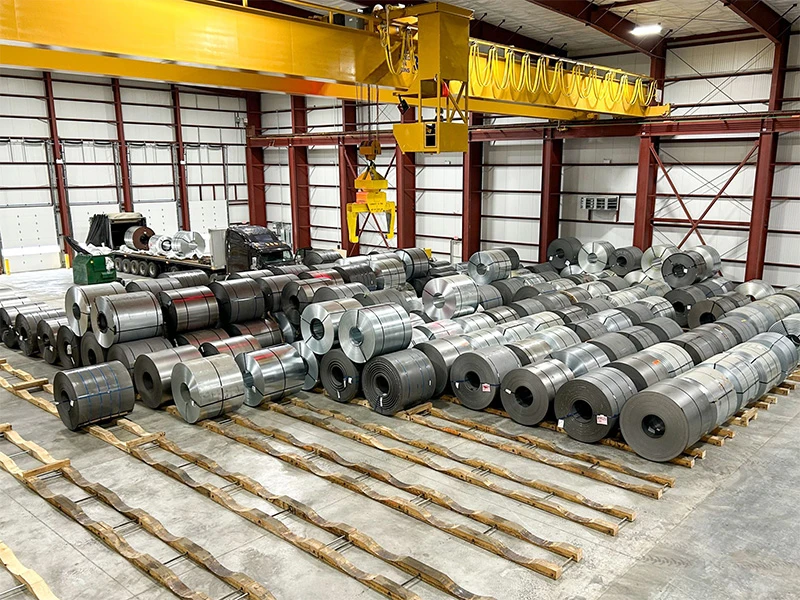
Choosing Capacity From Workpiece Weight Alone—or Simply Oversizing It
Ignoring rigging and attachments can lead to an undersized crane because lifting devices become part of the suspended load. Oversizing creates a different problem: more crane weight can mean greater wheel loads and higher structural demands.
Specify the real lifting task first, then select capacity around the complete load and engineering requirements.
Confusing Building Dimensions With Usable Crane Span and Lift Height
Keep in mind that a building's overall width does not directly translate to crane span, nor does roof clearance equal usable lifting height. Beams, lights, ducts, equipment and hook approach can reduce the working envelope.
For retrofit projects, check the existing runway. A crane may physically fit while its wheel loads or duty requirements exceed what the supporting structure can accept.
4. Essential Information for an Accurate Crane Manufacturer Quote
A useful RFQ should describe the lifting task and building interface. At FLAGCRANE, we recommend sending:
- Maximum and typical load weights, including attachments.
- Span, runway length and required lifting height.
- Building drawings and whether the facility is new or existing.
- Lifts per hour, shifts per day and expected load spectrum.
- Indoor or outdoor conditions, temperature, dust and other environmental factors.
- Required speeds, control method and power supply.
- Special devices such as magnets, tongs, C-hooks or lifting beams.
These match the basic information we use when tailoring a crane: capacity, lift height, span, travel length, power supply, application and working conditions.
Frequently Asked Questions About Overhead Crane Sizing
Q: How do I perform an overhead crane capacity calculation to determine the right size for my application?
A: Add the maximum workpiece weight to slings, lifting beams and other below-the-hook devices. Then confirm the crane rating for the real duty cycle and applicable design requirements. Do not select capacity from workpiece weight alone.
Q: How is overhead crane span measured?
A: Span is determined from the runway rail geometry, normally between rail centerlines. Confirm it from site measurements or reliable building drawings rather than using the workshop’s overall width.
Q: How much lifting height and headroom does an overhead crane need?
A: Lifting height must cover the complete vertical movement from pickup to placement, including load and rigging height. Headroom must accommodate the crane and hoist above the highest required hook position while preserving necessary clearances.
Q: What overhead crane duty class do I need for a manufacturing plant or steel mill?
A: Base duty selection on operating frequency, load spectrum, hours of service and environment. A maintenance crane and a production crane with the same rated capacity may need different duty classes. Steel-mill service may also require a metallurgical design for heat and intensive operation.
Q: Single girder vs double girder overhead crane: which should I choose for a higher capacity or longer span?
A: Higher capacity and longer span often favor a double-girder design, but there is no universal tonnage cutoff. Duty class, hook height, building loads, attachments and maintenance access should be evaluated together. Send FLAGCRANE your load data and workshop drawings, and we can recommend a configuration around the actual application.