1. What Makes a Tire Gantry Crane Ideal for Heavy Industry?
Unmatched Mobility Across Plant Facilities
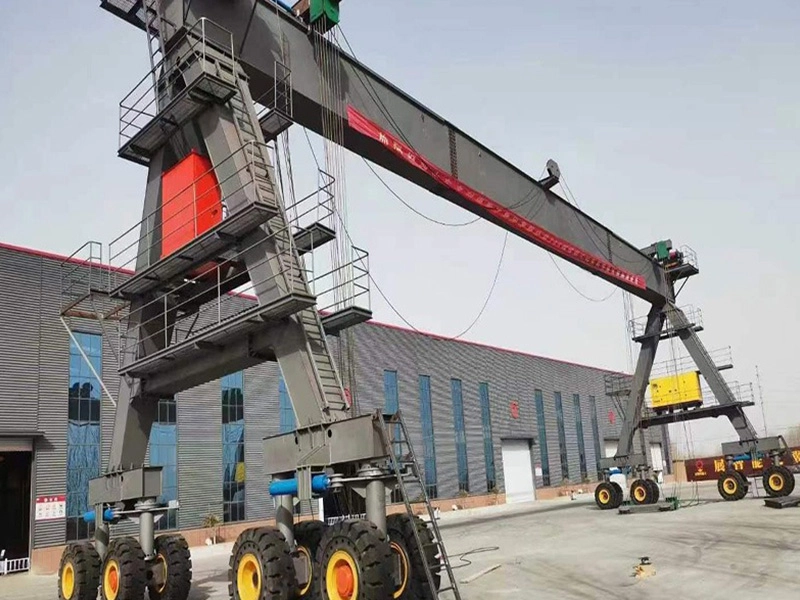
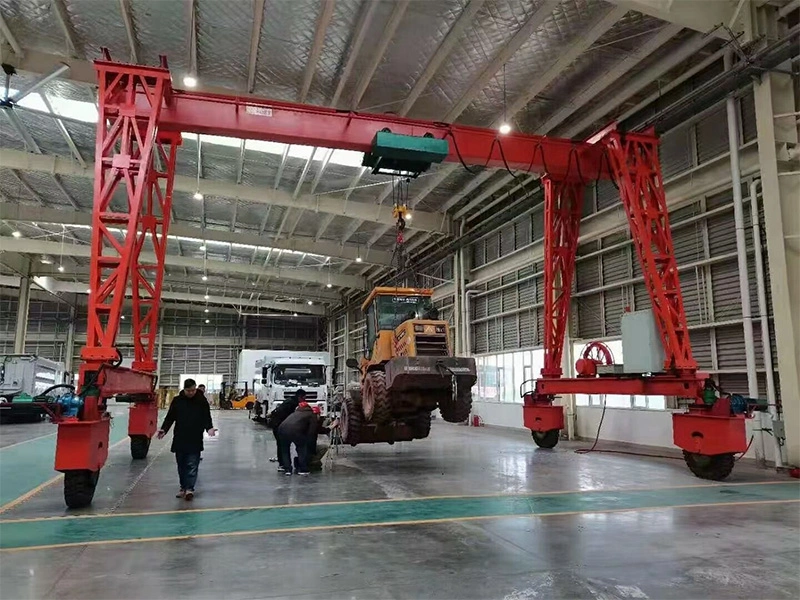
Industrial plant managers constantly face material handling bottlenecks when expanding production lines. Traditional overhead crane and gantry crane often impose rigid constraints on facility layouts. The defining characteristic of our tire gantry crane is absolute directional freedom. Unlike rail-mounted gantry crane alternatives, a rubber-tyred gantry crane navigates easily through complex industrial environments. FLAGCRANE’s RMH and RMG models feature wheels that can rotate 180 degrees. This steering capability allows operators to shift massive loads seamlessly from one operational zone to another without complex maneuvering. You can easily transfer materials between indoor assembly stations and outdoor storage yards. The elimination of fixed travel paths means your facility can continually adapt its floor plan to accommodate new machinery or changing production demands.
Cost-Effective Infrastructure Setup
Implementing a new material handling system usually requires significant civil engineering investments. With our portable gantry crane and mobile lifting solutions, there is no need to lay tracks, which makes installation and disassembly relatively simple. You bypass the expensive excavation and concrete pouring associated with runway beams and ground rails. The equipment can be quickly deployed to different work sites, improving the efficiency and adaptability of use. This infrastructure-light approach drastically reduces initial capital expenditure while accelerating the deployment timeline for your operations.
2. Core Applications Beyond the Port
Steel Mills and Metal Fabrication Yards
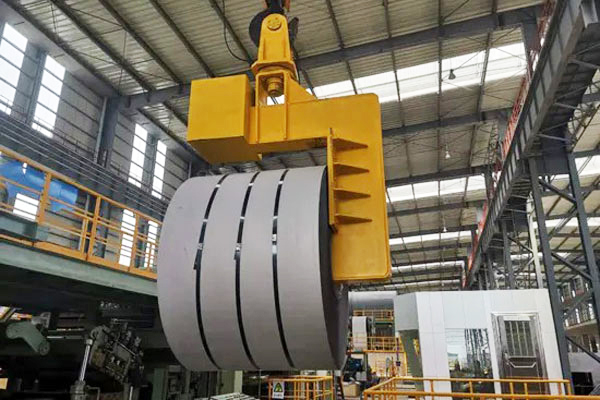
Handling extreme weights in metal processing demands robust and adaptable machinery. In steel mills, operators routinely transport heavy billets, massive steel coils, and structural components across sprawling yards. A heavy-duty mobile gantry crane effortlessly navigates these dynamic industrial environments. Because our tire-type gantry cranes do not require fixed tracks, they can move freely on flat ground and turn easily within the site. This structural independence empowers your team to drive the lifting equipment directly to a storage area, secure a heavy steel load, and deliver it precisely to the active cutting or welding bays. Eliminating the rigid constraints of permanent runway beams removes multiple intermediate handling steps, which directly improves the loading and unloading efficiency of your daily manufacturing operations.
General Manufacturing and Heavy Assembly Lines
In heavy manufacturing, the assembly of large-scale industrial machinery requires precise positioning of bulky components. The flexibility of our mobile lifting equipment allows it to serve multiple assembly lines within a single facility. Whether moving engine blocks, prefabricated modules, or massive cast parts, the crane delivers materials exactly where they are needed. We have observed that manufacturing plants utilizing these mobile solutions experience fewer delays caused by overhead crane availability bottlenecks.
Power Stations and Equipment Maintenance
Routine maintenance and equipment upgrades in power generating facilities present unique logistical challenges. Turbines, generators, and massive transformers must be lifted and positioned with absolute precision in tightly confined spaces. Maintenance crews can position the equipment exactly over the machinery needing repair, perform the necessary lifting operations safely, and then move the crane entirely out of the way to restore normal plant operations immediately.
3. Tire Gantry Crane vs. Rail Mounted Systems
Flexibility and Directional Movement
When evaluating gantry overhead crane lifting solutions, the contrast between rubber-tyred systems and rail-bound systems is stark. RMG double-beam models operate without fixed tracks, moving freely on flat ground.
| Feature | Tire Gantry Crane | Rail Mounted Systems |
| Travel Path | Omnidirectional movement across flat surfaces | Strictly confined to predefined linear tracks |
| Adaptability | Easily relocates to new facility zones | Requires permanent structural commitments |
| Deployment | Rapid setup with modular assembly | Lengthy installation involving civil engineering |
Site Preparation and Maintenance Costs
Rail systems require meticulous foundation work to ensure perfect alignment and level tracks, an expense that compounds over time with required rail maintenance. In contrast, tire gantry crane solutions run directly on compacted industrial surfaces. The maintenance profile shifts from expensive track realignment and wear monitoring to straightforward tire upkeep and standard mechanical servicing. This drastically lowers the total cost of ownership over the lifespan of the equipment while maintaining continuous productivity.
4. Key Factors When Choosing Your Industrial Factory Crane
Evaluating Lifting Capacity and Span
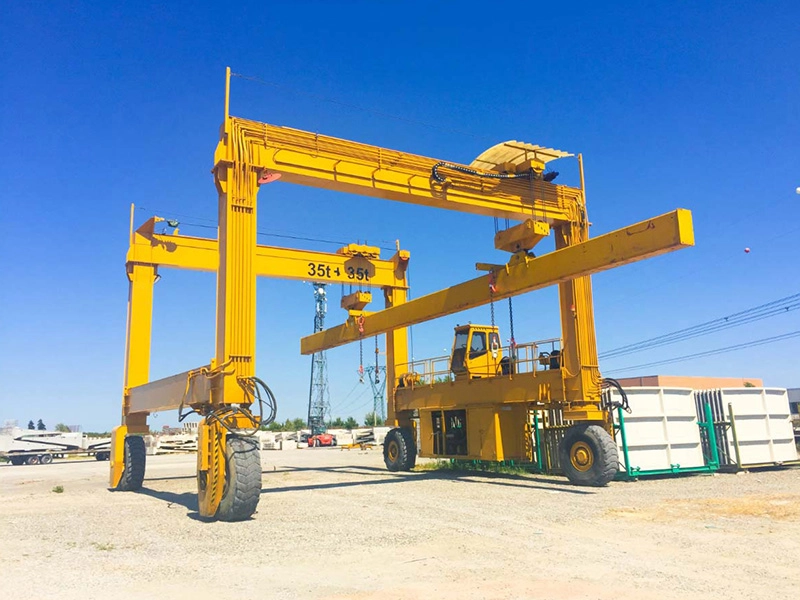
Selecting the appropriate specifications is critical for safe and efficient operations. For lighter industrial tasks, the RMH single-beam tire gantry crane capacity ranges from 1 to 20 tons with spans up to 35 meters. For more demanding applications, the RMG double-beam gantry crane capacity reaches up to 50 tons with a span of 7.5 to 22.5 meters. We carefully analyze your typical load dimensions and the spatial constraints of your facility to recommend the optimal configuration.
Power Supply Options and Energy Efficiency
Uninterrupted operation relies on robust power delivery. Our tire gantry crane is designed to operate seamlessly across expansive yards without the tether of a traditional power cable. These units are equipped with a diesel generator. This autonomous power supply ensures that the crane remains fully functional even in remote sections of a plant where electrical grid access is unavailable. The integration of variable frequency drives further optimizes energy consumption during prolonged lifting cycles.
Essential Safety Features for Busy Plant Environments
Safety remains our paramount engineering focus in bustling industrial spaces. Our cranes are fitted with advanced mechanisms to protect both personnel and payloads. Overload protection devices sound a sharp alarm when overloaded. We integrate high-quality polyurethane buffers to ensure long-term working safety and minimize structural impact. Furthermore, emergency stop buttons brake the equipment in an emergency. These overlapping safety protocols create a secure operational environment even during the most complex lifting procedures.
5. Partnering with FLAGCRANE for Material Handling Solutions
Every plant has its own daily routine and also faces specific logistics problems. FLAGCRANE handles material handling as more than just a seller and true engineering partner. We look at your whole work process, and check everything from raw material entry to final product shipping. Then, we design a crane solution that fits your exact work style. Our engineering team collaborates directly with your facility managers to customize span lengths, lifting heights, and intelligent control systems. We focus only on your specific industrial needs to build machines that truly boost your daily output and work safety.
FAQ
Q: What is the maximum lifting capacity of a heavy duty tire gantry crane?
A: The lifting capacity can be highly customized based on the facility requirements. Our RMG double-beam models offer robust performance, with capacities reaching up to 50 tons to accommodate demanding industrial manufacturing and steel handling operations.
Q: How does a tire gantry crane handle uneven ground in manufacturing yards?
A: These units are equipped with heavy-duty tires and advanced steering mechanisms designed to absorb minor ground irregularities. This allows them to traverse typical concrete or compacted industrial yard surfaces safely and efficiently without compromising load stability.
Q: Are tire gantry cranes suitable for indoor manufacturing facilities?
A: Yes, they are highly effective for indoor operations. They provide flexible material handling without the need to install permanent runway beams, allowing you to maximize floor space and adapt your layout as production needs evolve.
Q: What is the typical maintenance schedule for an industrial tire gantry crane?
A: Standard maintenance involves straightforward procedures such as regular visual checks of the tires, lubrication of moving parts, and periodic inspections of the electrical and structural components. The absence of rail tracks significantly simplifies the overall maintenance workload.
Q: Can a tire gantry crane be customized for extreme temperatures in steel mills?
A: Yes, certainly. FLAGCRANE builds material handling equipment with special heat-resistant parts. We use thermal shields and high-grade insulation. These features ensure reliable and safe work in very hot places like steelmaking plants.
Q: What are the main applications of gantry cranes in outdoor storage yards?
A: Tire gantry cranes can easily transfer materials between indoor assembly stations and outdoor storage yards. By eliminating fixed travel paths, they can drive directly to a storage area, secure a heavy steel load, and deliver it precisely to the active cutting or welding bays.