Choosing a overhead crane by rated capacity alone is an expensive shortcut. A 10-ton system may use one girder in one bay and two in another. The correct answer depends on usable hook height, workload, building loads and the cost of keeping production moving. This guide compares both arrangements for steel processing, manufacturing, maintenance, and power or water facilities.
Single vs Double Girder Overhead Crane: The Quick Answer
How the Two Beam Configurations Differ
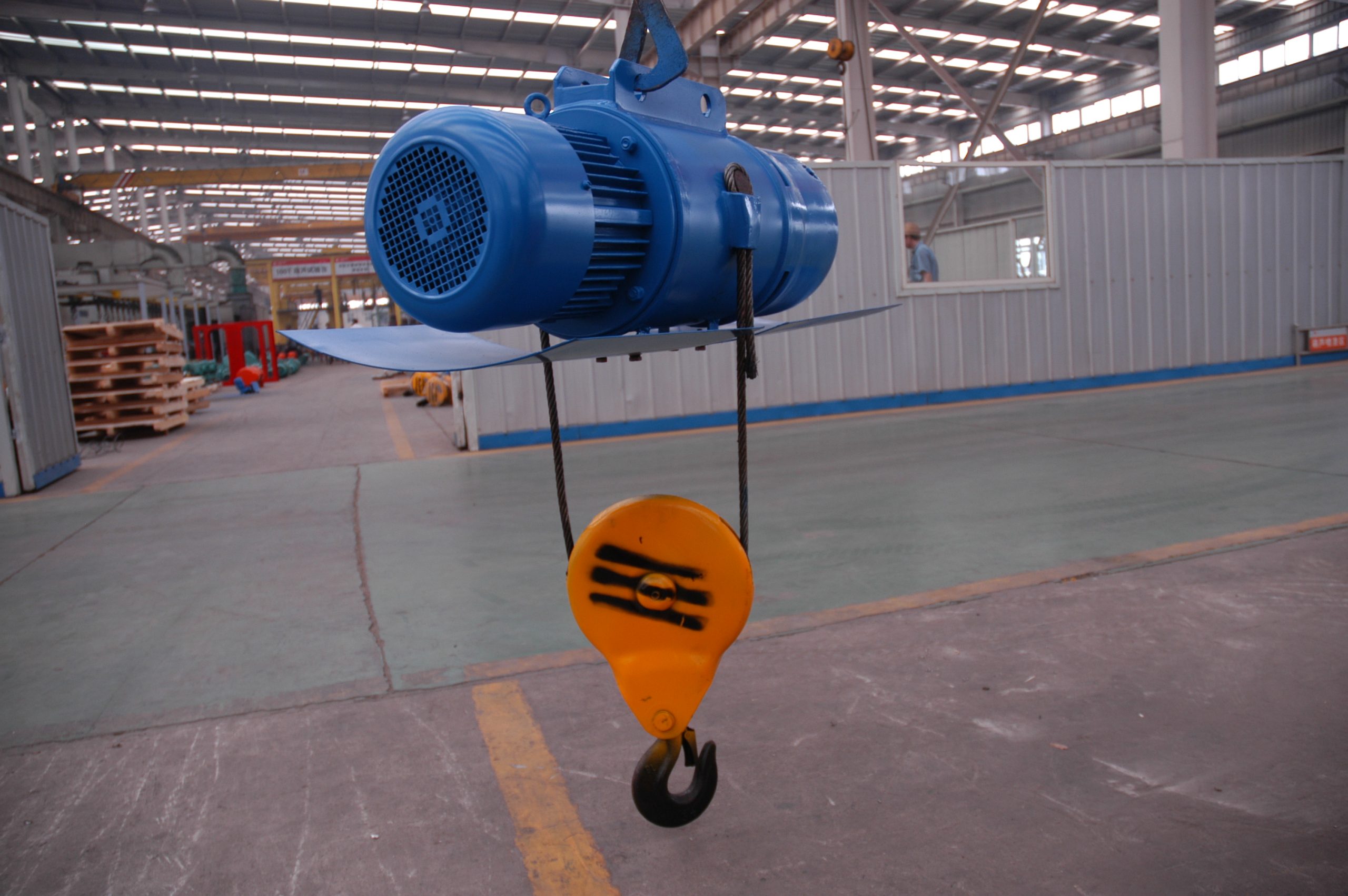
A single-girder crane has one main beam. Its electric hoist normally travels along the lower flange, reducing bridge weight and loads on the runway.
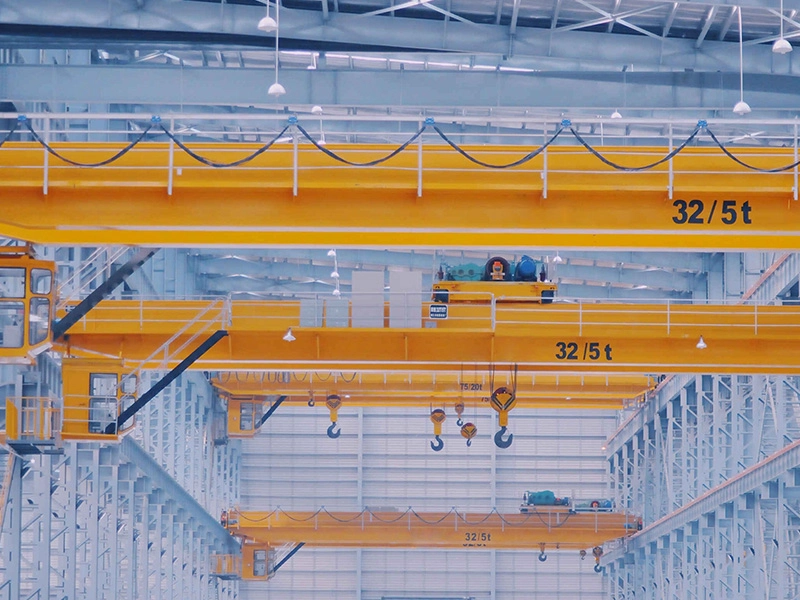
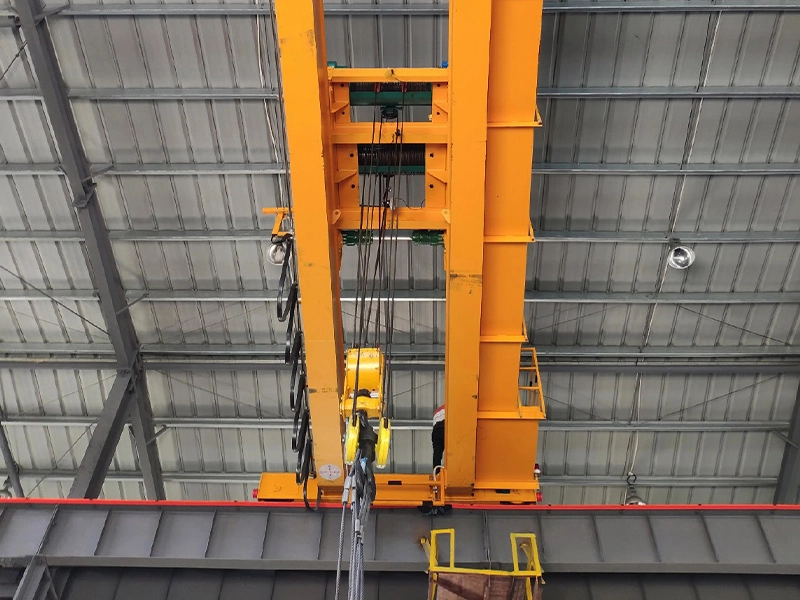
A double-girder crane uses two beams. Its trolley travels on rails above or between them, accommodating winch trolleys, auxiliary hoists, platforms and higher-duty components. The added weight may require stronger supports.
Both require engineering for load, span, service conditions and governing standards.
Single Girder Crane vs Double Girder Crane Comparison at a Glance
| Decision point | Single Girder Crane | Double Girder Crane |
| Beam structure | One beam; lower deadweight | Two beams; more configuration flexibility |
| Hoisting arrangement | Usually an under-running hoist | Hoist or open winch trolley |
| Best fit | Moderate loads and service, maintenance bays | Heavy, frequent or process-critical lifting |
| Building impact | Generally lower wheel loads | Higher reactions must be checked |
| Service access | Simpler component layout | Walkways and service platforms can be integrated |
| Initial investment | Usually lower | Usually higher |
The overlap matters: two girders may be appropriate at 5 or 10 tons, while a single-beam model can handle more.
Headroom, Duty Class and Lifecycle Cost: The Three Deciding Factors
Headroom vs Hook Height: Which Design Uses Vertical Space Better?
Headroom is the space available above the runway or crane; hook height is the usable vertical travel below it. A light single-girder crane beam can reduce structural depth, but its suspended hoist places the hook below the beam. A top-running double-girder trolley can position the machinery higher and recover hook travel.
Compare drawings showing rail elevation, crane height, upper hook position, roof clearance and obstructions. Include the load, attachment and safety clearance.
Crane Duty Class: Calculate Workload, Not Just Maximum Load
Rated capacity defines how much the crane may lift; duty classification describes how intensively. Selection considers operating hours, lifts per hour, average load, full-load frequency, starts, travel distances and speeds. Heat, dust, corrosive vapors and outdoor exposure also affect components.
Read classifications under the specified standard rather than converting labels. FLAGCRANE’s HD European single-girder model is designed for A5 service; QD and QDX ranges cover A5 through A8. Too much class adds cost and weight; too little accelerates wear.
Lifecycle Cost: Purchase Price, Building Loads, Energy and Downtime
Compare installed and operating costs, not crane price alone:
- Beam, hoist or trolley, controls and lifting attachment.
- Runways, columns, foundations and reinforcement.
- Freight, erection, commissioning and production interruption.
- Energy, inspection, wear parts and spares.
- Maintenance access, repair time and lost output.
A single girder overhead crane may reduce structural work and travel energy. In severe service, two girders can cost less over time by providing suitable duty, access and service life. Evaluate future automation or loads now; later bridge and runway changes are rarely minor.
Customer Case: Why a Steel Storage Facility Used Both Single and Double Girder Cranes
The Project’s Headroom and Material-Handling Requirements
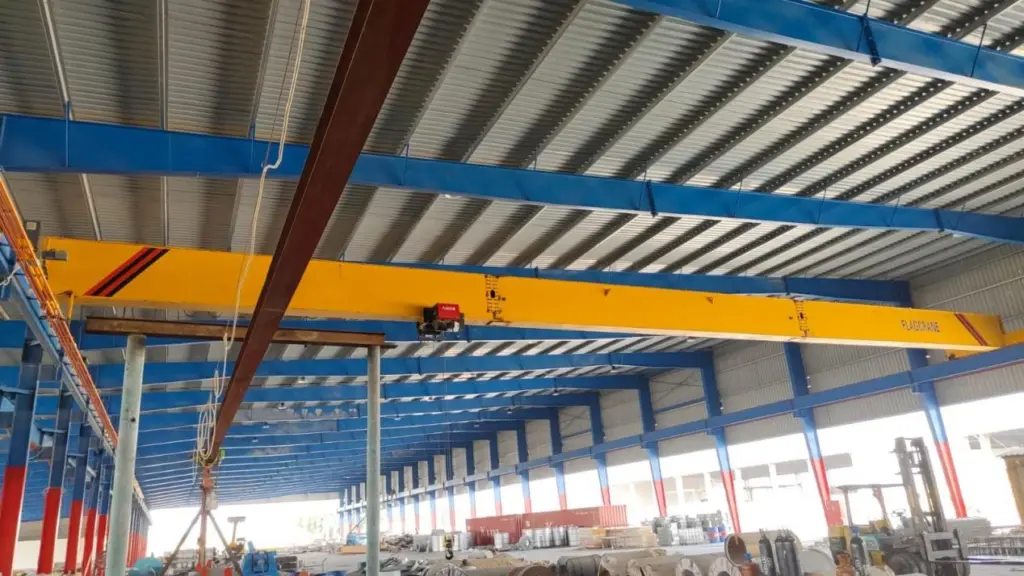
A cold-rolled steel supplier needed lifting across connected indoor and outdoor storage zones. Long spans, limited vertical space and different tasks made one crane type across every bay inefficient. The specified service level was FEM 2M and A5.
Why FLAGCRANE Combined Four Different Crane Configurations
We supplied four configurations:
| Crane | Capacity | Span | Lift |
| QDXX double girder with open winch trolley | 10 t | 32.77 m | 9 m |
| HD European single girder | 10 t | 32.77 m | 9 m |
| NLH double girder with electric hoist trolley | 5 t | 32.72 m | 9 m |
| HD European single girder | 5 t | 32.72 m | 9 m |
The 10-ton QDXX used variable-frequency lifting and travel for coil handling. The others used European-style hoists with two-speed lifting and variable-frequency cross travel. Custom geometry reduced the vertical profile.
Equal capacities and dimensions do not guarantee the same choice. Load spectrum, positioning, hoist and bay tasks may differ.
Where Single and Double Girder Cranes Fit Best
Single Girder Crane Applications: Manufacturing, Maintenance and Utility Facilities
Single-girder cranes suit machining, assembly, equipment maintenance and warehouse handling with moderate loads and cycles. They also fit turbine, pump or motor maintenance in power and water facilities when lifting is periodic.
Our A5 HD European model crane covers 2 to 16 tons, 7.5-to-28.5-meter spans and 6-to-18-meter lifts. LD models overhead cranes offer compact electric-hoist lifting for less demanding work. Final limits depend on project design.
Double Girder Crane Applications: Steel Mills, Heavy Production and Process Cranes
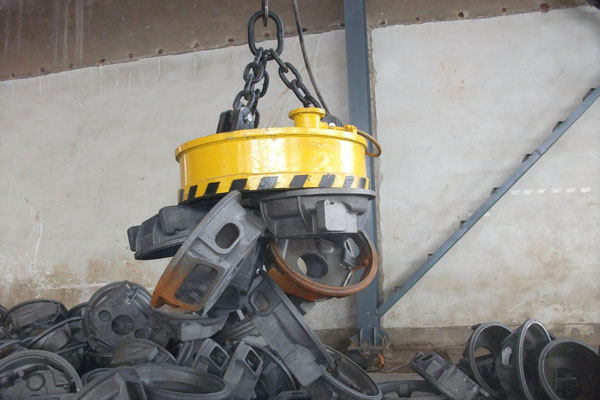
Double-girder crane systems fit steelmaking, foundries, heavy production and critical utility maintenance requiring high frequency, stability or special attachments. Options include winch trolleys, lifting beams, coil tongs, magnets, grabs and auxiliary hooks.
FLAGCRANE QD cranes cover 5 to 800 tons, 7.5-to-35-meter spans, 6-to-30-meter lifts and A5 to A8 service. QDX models cover 5 to 320 tons with variable-frequency motion. Engineering determines the final specification.
How to Specify the Right Overhead Crane for Your Facility
Seven Inputs to Send an Overhead Crane Supplier
Provide these seven inputs before requesting a firm configuration:
- Maximum and typical load, including attachments.
- Clear span and total runway travel length.
- Hook height and rail-to-roof clearance.
- Lifts per hour, shifts per day and expected load spectrum.
- Location, temperature, dust and corrosive exposure.
- Existing runway, column and foundation capacity.
- Control, positioning, automation and expansion needs.
Drawings and process descriptions allow wheel loads, end approaches, maintenance clearances and electrical requirements to be checked together.
How FLAGCRANE Matches Girder Design to the Application
At FLAGCRANE, we design standard and customized lifting systems: HD and LD single-girder cranes, N/LH double-girder cranes with compact trolleys, and QD or QDX systems for demanding service. We also integrate controls and attachments.
Send us the load data, span, lift height, runway elevation and operating schedule. We will compare the bridge, hoist, duty and building reactions before recommending a configuration.
Frequently Asked Questions About Single vs Double Girder Overhead Cranes
Q: What is the main difference between single girder and double girder overhead cranes?
A: A single-girder crane uses one beam and normally an under-running hoist. A double-girder crane uses two beams and a rail-mounted trolley. This affects weight, hook position, access and cost.
Q: Which provides better headroom: a single or double girder overhead crane?
A: It depends on the building and hook position. One girder is often lighter; a two-girder trolley can place the hoist higher. Compare project drawings.
Q: How does crane duty class affect the single vs double girder decision?
A: Duty class reflects load spectrum and operating frequency. Moderate service can suit either design, but continuous or severe production often requires higher-duty double-girder components.
Q: Is a single girder overhead crane always cheaper over its lifecycle?
A: No. Initial cost is often lower, but underspecification causes wear and downtime. Include building work, energy, inspection, maintenance and production losses.
Q: Should a steel mill or power plant use a single or double girder overhead crane?
A: Steel-mill processes often favor heavy-duty double girders. Maintenance bays in steel, power or water facilities may use one girder for moderate work. Task, environment, duty and hook height decide.