Understanding Total Cost of Ownership (TCO) in Port Operations
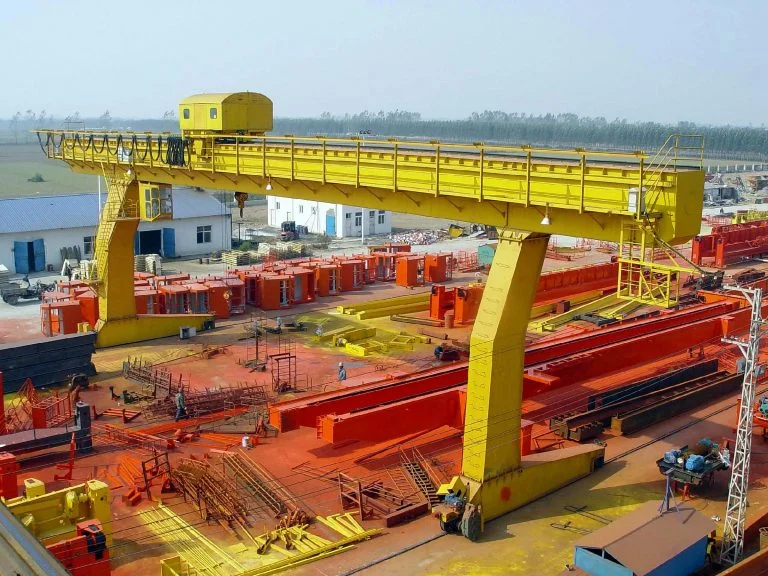
In today’s competitive maritime industry, ports are constantly seeking ways to reduce operational expenses and improve efficiency. The concept of Total Cost of Ownership (TCO) plays a vital role in evaluating the long-term economic benefits of equipment such as a container gantry crane. By analyzing every cost element—from purchase to disposal—ports can make smarter investment decisions that go beyond the initial price tag.
Defining TCO in the Context of Cargo Handling Equipment
TCO covers buying, running, upkeep, and scrapping expenses over an asset’s full life. Ports spot concealed costs past the buying price. A solid grasp of TCO aids sharper spending choices, so port managers weigh strength and output instead of just the first expense.
Factors Influencing TCO in Port Infrastructure
Multiple aspects shape TCO in port work. Power use amounts, upkeep regularity, and parts supply directly impact ongoing expenses. Worker preparation and stoppage from fixes also matter a lot. Plus, tech advances and gear duration set money stability by affecting output and value loss plans.
The Strategic Role of Container Gantry Cranes in Modern Ports
Container gantry cranes stand at the heart of current port supply chains.
Overview of Container Gantry Crane Technology
A container gantry crane proves vital for smooth loading and unloading tasks at container yards. Newer versions include mechanized setups for exact control, which cuts worker mistakes and raises safety levels. Container gantry cranes link with digital port control setups, and this connection improves teamwork between yard tasks and ship timing, which increases total flow.
Types of Container Gantry Cranes and Their Operational Benefits
Rubber-Tired Gantry (RTG) Cranes
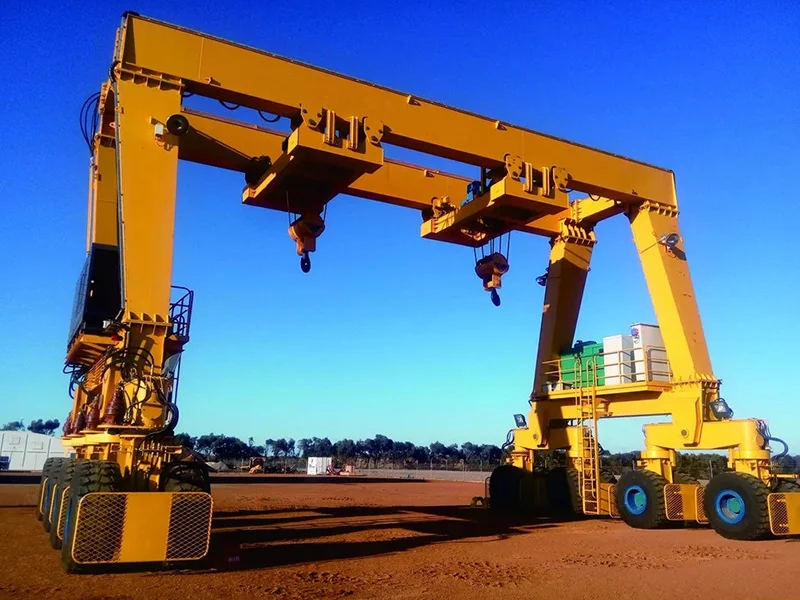
RTG cranes give movement around container yards without set tracks, so they suit mid-size yards that need changeable setups. Rubber tires let RTG cranes shift spots between piles easily, and this feature brings flexibility when yard plans alter from traffic needs.
Rail-Mounted Gantry (RMG) Cranes
RMG cranes deliver strong steadiness and lift power for large-scale tasks. RMG cranes work best in ports with set pile plans where exact positioning matters. The track-based build of RMG cranes handles heavier weights and keeps steady work during nonstop runs.
Economic Drivers Behind Lowering TCO with Container Gantry Cranes
Cutting TCO means stressing power savings, upkeep improvements, and better runtime. Container gantry cranes with fresh tech handle these points well.
Reduction in Energy Consumption through Electrification and Hybrid Models
Power-driven cranes cut fuel needs and pollution sharply, and power-driven cranes lower running expenses in the long run. Hybrid setups manage power draw in busy times by mixing electric motors with power bank options. Regenerative braking tech grabs power during crane shifts, and regenerative braking tech sends that power back to the setup to trim use further.
| Model Type | Power Source | Key Benefit |
| Electric | Grid Power | Zero local emissions |
| Hybrid | Dual System | Lower fuel use |
| Diesel | Engine-driven | Higher operating cost |
Maintenance Efficiency and Predictive Technologies
Clever sensors built into container gantry cranes spot damage before big failures strike. Distant checks cut stoppage with forward-looking upkeep plans. Standard parts ease fix jobs and trim parts expenses, and these points matter greatly in hitting lower TCO for many units.
FLAGCRANE has more than 1000 sets of processing and testing equipment. such as large floor boring machine, CNC cutting machine, steel plate leveling machine, automatic welding equipment, shot blasting machine and X-ray flaw detector, ultrasonic flaw detector, vibration aging instrument, etc. Our advanced manufacturing capability ensures that each crane component meets strict quality standards for durability and service life—key contributors to reduced maintenance expenses.
Financial Outlook: Container Gantry Cranes in 2026 Port Economics
The money view points to firm spending drive for powered cargo control systems by 2026.
Market Trends Influencing Investment Decisions in 2026
Worldwide trade pickup pushes setup update efforts as ports refresh old gear to match fresh demand sizes. Mechanization uptake keeps growing as worker expenses climb across the globe. Green rules also urge ports to pick power-saving gear like electric or hybrid container gantry cranes.
Cost-Benefit Analysis for Long-Term Investments in Cranes
Although advanced container gantry cranes involve higher initial capital expenditure, lower operational costs offset this over time through savings on fuel and maintenance. Improved productivity leads to faster vessel turnaround times—enhancing revenue potential per berth hour—and greater reliability reduces insurance premiums tied to operational risks.
Sustainability as a Core Factor in Lowering Long-Term Costs
Sustainability shifts from an eco aim to a money plan that guides buying choices among port groups worldwide.
Environmental Regulations Driving Equipment Modernization
Ports meet tougher pollution limits that call for cleaner tech by 2026. Powered gantry cranes aid in reaching eco goals without hurting output levels or lift powers. Eco funding perks also ease loan expenses for green spending by giving breaks to runners who take low-carbon tech soon.
FLAGCRANE equipment has passed ISO, CE, SGS, SABER, and other domestic and foreign professional certifications. This compliance demonstrates our commitment to producing environmentally responsible machinery aligned with international sustainability frameworks.
The Link Between Sustainability, Brand Reputation, and Economic Value
Eco-friendly work draws worldwide shipping allies who stress ESG aims. Green setups lift public views while building backer trust via clear carbon drops. In time, savings come from cutting carbon fees and lower power spending, and this mix joins social duty with money care.
Strategic Considerations for Ports Transitioning to Container Gantry Cranes
Moving to container gantry crane setups calls for solid planning in tech checks, money strategy, staff preparation, and maker teamwork.
Key Steps Toward Implementing a Cost-Efficient Crane Strategy
Assessing Current Infrastructure Readiness
Checking yard plan fit decides if RTG or RMG models match current setups best based on room limits and flow designs.
Planning Budget Allocation for Acquisition and Upgrades
Weighing starting spending against expected running savings makes money steadiness over the gear’s life, and this balance fits port growth aims.
Training Workforce for New Operational Protocols
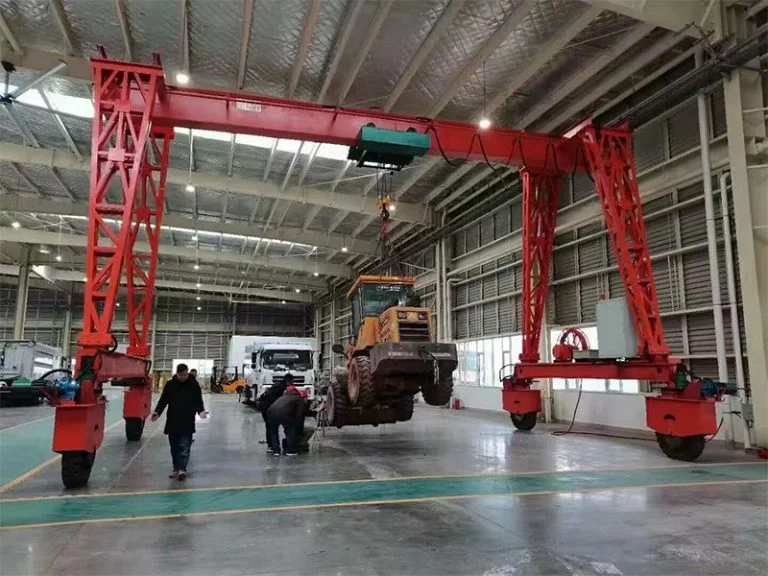
Being a one-stop solution provider, FLAGCRANE provides safety training and other relevant courses to customers of all trades in order to increase safety and productivity during their lifting operations. Skilled operators maximize crane performance while minimizing accident-related downtime—a direct contributor to lower lifetime costs.
Partnering with Technology Providers for Sustainable Growth
Teamwork with makers who offer full-life service pacts locks in lasting tech aid at steady expenses. Picking vendors with piece-by-piece update choices lets growth without total swap spending down the line. Data-based buying plans match money outlay with real output measures from IoT-based watch systems.
We have more than 30 years of experience in crane design, fabrication,delivery, and installation for all applications globally. Our expertise allows us to guide port clients through every stage—from feasibility studies to after-sales support—ensuring each project achieves its intended economic outcome efficiently.
FAQ
Q: How does a container gantry crane help reduce the total cost of ownership at ports?
A: It lowers energy costs through full electrification (via busbars or cable reels) or hybrid drives with energy recovery systems while minimizing unplanned downtime via predictive maintenance systems that extend component life cycles.
Q: What are the main differences between RTG and RMG types of container gantry cranes?
A: RTG cranes move across designated paths and can change lanes (span) in the yard using tires for operational flexibility; RMG cranes run on fixed rails, offering higher stability and better suitability for full automation, which further reduces long-term TCO.
Q: Are electric container gantry cranes suitable for older port infrastructures?
A: Yes—modern electric models can integrate into existing grids with minimal upgrades if proper load management systems are installed during retrofitting stages.
Q: How can predictive maintenance impact the economics of using a container gantry crane?
A: Predictive analytics detect issues early, so repairs occur before costly failures happen; this approach reduces downtime hours significantly compared with reactive maintenance schedules.
Q: What sustainability benefits come from adopting electrified container gantry cranes?
A: Electrified versions cut CO₂ emissions drastically compared with diesel units while qualifying operators for green financing programs that reduce long-term borrowing rates.