Picking the proper lifting setup matters a lot for safety, productivity, and expense management in factory settings. The discussion about overhead crane and gantry crane comes up frequently when sites plan fresh setups or improvements. Each option brings clear benefits based on the task, surroundings, and funds available. This piece looks at their builds, results, and fit for current factories. It draws on factual details and firm know-how.
Understanding the Core Concepts of Overhead and Gantry Cranes
Choosing between an overhead crane and a gantry crane starts with grasping their main working ideas. Both serve as key tools for moving materials. However, they vary a great deal in build and ease of movement.
Defining an Overhead Crane
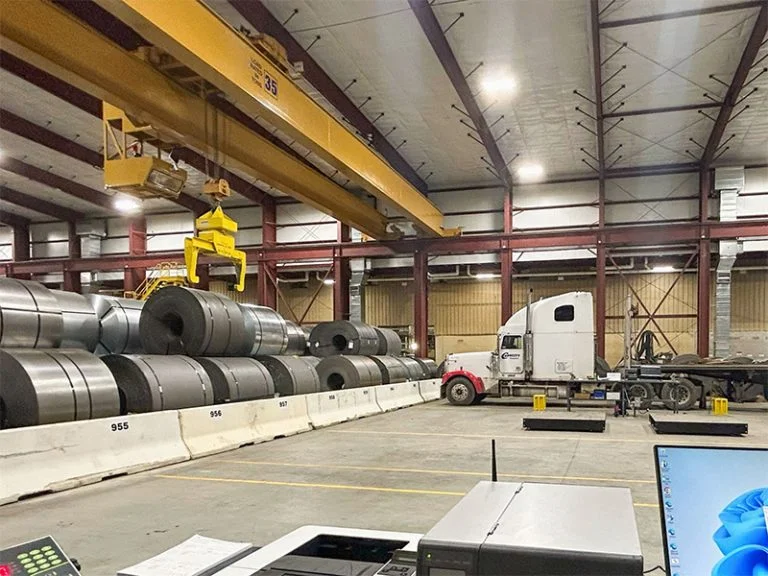
An overhead crane works on set tracks that usually blend into a building's frame. It handles raising and shifting heavy items over a set space in places like factories, storage areas, or putting-together lines.
Defining a Gantry Crane
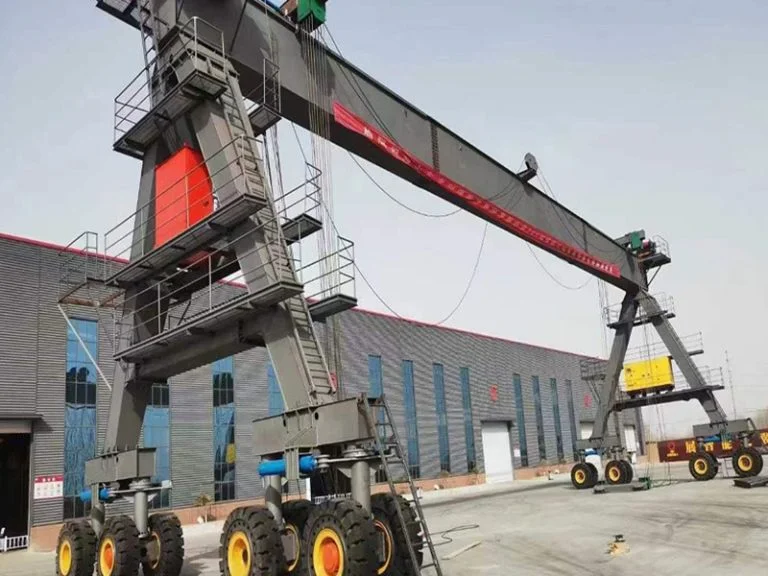
A gantry crane stands on self-supported legs that roll on wheels or tracks. It does not tie into a structure's roof or walls. This freedom lets it function smoothly in ports, building spots, or open storage zones.
| Specification | Overhead Crane | Gantry Crane |
| Lifting Capacity | 5t to 320t | 2t to 32t |
| Span | 7.5m to 35m | 7.5m to 31.5m |
| Lifting Height | 6m to 30m | 6m to 18m |
| Working Class | A5, A6, A7, A8 | A4, A5 |
| Ambient Temperature | -20℃ to 50℃ | -20℃ to 50℃ |
| Best Use | Large indoor tasks, high precision and stability | Short-term outdoor tasks or lighter indoor work |
Structural and Design Differences Between Overhead and Gantry Cranes
The main gap between overhead crane vs. gantry crane setups lies in their build supports and fitting ways.
Construction and Support Mechanisms
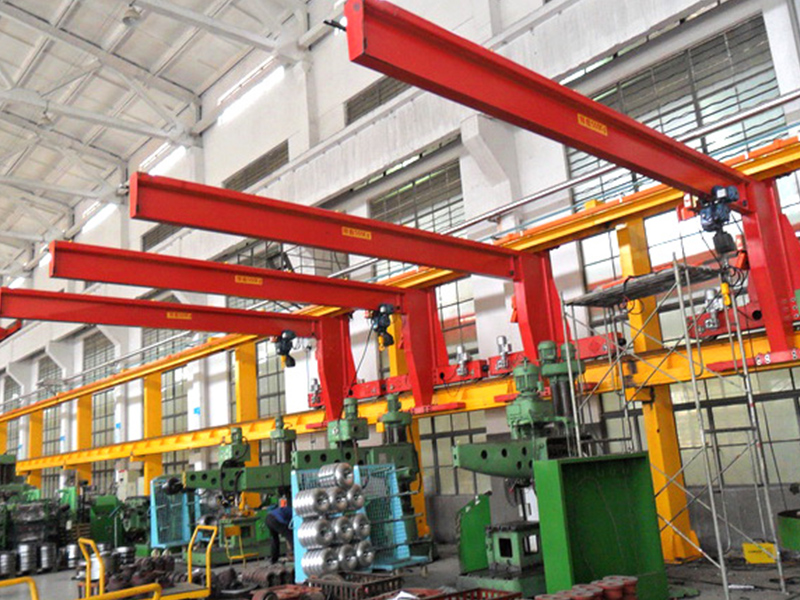
Overhead cranes depend on roof-fixed beams or path systems. These allow travel along a steady route. They fit permanently into a site's frame. This gives firmness for repeated raising jobs. On the other hand, gantry cranes use floor-level tracks or rubber wheels for ease of shift. Their build supports moving to various work areas. It takes little time to set up.
| Support Type | Ceiling-mounted | Freestanding legs |
| Mobility | Fixed path | Movable |
| Typical Use | Indoor production lines | Outdoor yards |
The pick between these builds impacts fitting difficulty and daily flexibility.
Load Capacity and Span Considerations
Overhead cranes often manage bigger loads. This comes from their steady tie-in with site frames. Their reach can go up to 35 meters. They work in tough duty levels like A7 or A8.
| Lifting Capacity | 5t to 800t |
| Span | 7.5m to 35m |
| Lifting Height | 6m to 30m |
| Working Class | A5, A6, A7, A8 |
| Ambient Temperature | -20℃ to 50℃ |
Gantry cranes provide changing reaches based on job needs. Yet they usually handle lighter duties than overhead ones.
Operational Characteristics and Performance Comparison between Overhead Crane and Gantry Crane
Result gaps between overhead crane and gantry crane arrangements often decide which fits certain factory needs.
Movement Capabilities and Range of Motion
Overhead cranes travel on set paths with fine accuracy. They suit tight indoor areas where care counts most. Gantry cranes shift readily to different yard parts or spots. This happens without much taking apart. Both kinds can add powered carts. These help smooth side-to-side item moves.
Power Supply and Control Systems
Overhead cranes often draw electric power from bar lines or hanging setups. This supports steady indoor work. Gantry cranes might use cable rolls, fuel motors, or even battery drives. They pick these when movement matters most outside. Workers guide both setups with hanging controls, wireless remotes, or auto program links. Such options boost safety in the raising steps.
Installation, Maintenance, and Cost Implications of Overhead Crane and Gantry Crane
Checking fitting work and ongoing care helps figure out lasting expense savings when weighing overhead crane vs. gantry crane buys.
Installation Requirements and Site Preparation
Fitting an overhead crane means blending tracks into the current building parts. This often calls for expert checks on weight-holding strength. Gantry cranes need even ground readying. But they skip tough base work unless path lining fits large reaches. Job times differ by custom needs. Still, piece-by-piece gantry builds often cut the setup length a lot.
Maintenance Demands and Operational Lifespan
Regular checks keep steady work for both crane kinds. Overhead cranes call for steady looks at winches, carts, path beams, and power ties. This stems from their lasting indoor fit. Gantry cranes require wheel line checks, oiling of shift joints, and rust guards. They face these often outside in changing weather.
FLAGCRANE offers many lifting and moving systems. These match all raising needs. They cover tough processes to clean-area uses and gear for rough spots. Good care by our rules stretches work time. It also adheres to world safety rules like ISO or CE marks.
Cost Factors to Evaluate Before Investment
Starting costs run higher for overhead cranes. This is because build changes happen during fitting. But once in place, they give strong, lasting use in steady factory spots. Gantry cranes bring lower first costs. However, they may add fees over time for shift parts like wheels or paths. Lasting expense savings rely mostly on how often they run and on outside conditions.
| Installation | High (structural work needed) | Low (minimal foundation) |
| Maintenance | Moderate (indoor inspections) | Higher (outdoor exposure) |
| Flexibility | Fixed location | Portable |
Choosing Between an Overhead Crane and a Gantry Crane in 2026 Operations
Factory patterns show rising auto use in moving materials by 2026. The call between overhead crane vs. gantry crane will depend on more than the build sides. It will also cover digital tie-in skills.
Assessing Application Needs and Work Environment
Indoor sites doing repeated raising work, like metal shops or putting lines, benefit from the lasting overhead costs. They offer fine control on set routes. Outside jobs such as port yards or building areas like gantry picks. These give freedom without needing site strengthening.
Surround factors like room limits, weather levels from -20℃ to +50℃, and ground firmness play key parts in picking the best setup kind.
Future Trends Influencing Crane Technology by 2026
Clever tools are changing factory raising gear around the world:
- IoT Integration – Foreseeing care with sensor data will cut stop times.
- Energy Efficiency – Electric motors with recovery stopping will lower power use.
- Modular Designs – Easy part swaps will shorten update times.
- Automation Compatibility – Far-off checks will boost worker safety in hard raises.

FLAGCRANE gives pro custom lifting gear for buyers with varied tasks and needs. Its build skills include odd shapes like double gantries up to 800 tons or Europe-style overhead units up to 360 tons. This shows prep for coming factory needs via growing build answers.
FAQ
Q:What are the main differences between an overhead crane and a gantry crane?
A:Overhead cranes are fixed installations integrated into buildings for high-capacity indoor use, while gantry cranes stand independently on wheels or rails suited for outdoor mobility.
Q:Which type, overhead crane and gantry crane, offers better long-term cost efficiency?
A:Overhead cranes generally provide greater durability for continuous operations despite higher initial costs; gantry models suit variable-site projects where portability offsets lower load capacity.
Q:How does FLAGCRANE support customized solutions for overhead crane and gantry crane?
A:FLAGCRANE designs tailored systems covering lifting capacities from 1t to 800t, ensuring compatibility with diverse industries through advanced design engineering and certified safety standards like ISO and CE compliance.
Q:What maintenance practices extend lifespan of cranes in harsh environments?
A:Routine inspection of hoists, lubrication of moving parts, anti-corrosion treatment for outdoor units, plus adherence to manufacturer schedules, help maintain safe operation over decades of service life.
Q:Are smart technologies available in modern overhead crane and gantry crane models?
A:Yes. IoT sensors enable predictive maintenance while remote-control options enhance operator safety—features increasingly standard across FLAGCRANE’s next-generation product line designed for Industry 4.0 applications.