The landscape of modern material handling is rapidly evolving, moving away from labor-intensive, outdated processes toward highly efficient and secure automated systems. At the very heart of this transformation in heavy material handling are motorized coil tongs. These advanced lifting devices have become absolutely indispensable for modern facilities tasked with managing massive rolls of steel, aluminum, and other raw metals on a daily basis. For facility decision-makers, production managers, and safety engineers, understanding the internal mechanics, operational benefits, and specific applications of these automated systems is crucial for maintaining a competitive edge. This comprehensive guide explores why upgrading to automated coil lifting tongs is a critical strategic step for modern operations and provides actionable insights on how to properly integrate these solutions into your existing industrial infrastructure.
The Shift Towards Automation: Why Choose Motorized Coil Tongs?
Handling very heavy rolled materials once depended on basic gravity or simple mechanical clamps. Those older manual ways worked but needed much human watching and close contact with the load. Today's industrial world calls for faster output and tighter safety rules. This demand pushes the shift toward automated coil tongs. These powered devices use a strong motor and gearbox to drive the clamping legs. The result brings excellent control, steady hold, and exact movement through the full lift and transport cycle.
Eliminating Manual Intervention in Heavy-Duty Environments
On a busy factory floor, the main goal for safety managers remains keeping workers far from hanging heavy loads. Manual mechanical clamping often forces floor staff to guide the equipment straight into the material core. This step creates real risks of crushing or pinching harm. Motorized systems remove that risky step completely.
Operators use radio remote controls or cabin panels to position and activate the equipment. No floor help is needed. This safe distance protects people from serious accidents. At the same time, the distance speeds up daily tasks. When plants use heavy-duty lifting tongs for industrial manufacturing plants, this electric activation makes sure the clamp force goes on evenly and firmly before the hoist starts to raise the material.
1. Full operator safety comes from keeping workers out of the lift area. This step cuts injury rates and reduces lost time.
2. Precise control appears because industrial electric motors create smooth and steady clamping. Sudden jerks and swings that come with gravity systems disappear.
3. Daily efficiency rises when the constant need for floor staff to attach, guide, and release loads ends. The full material transfer cycle becomes faster.
4. Material damage drops sharply. Automated systems apply measured pressure. This feature matters most with delicate or easily bent materials.
Exploring Key Types: Motorized Horizontal Coil Tong vs. Vertical
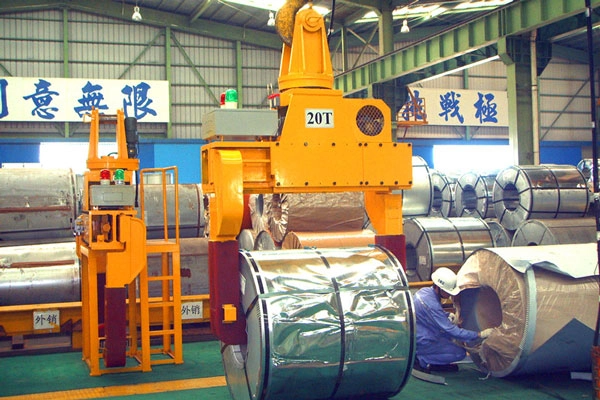
Rolled industrial materials are usually stored, shipped, and moved in two main positions. The core may sit vertically in eye-to-the-sky orientation or horizontally in eye-to-the-wall orientation. Lifting tools must match these positions exactly. Vertical grabbers expand inside the core or grip outer edges from above. The motorized horizontal coil tong works from the sides and secures the coil by clamping its width (ends) or lifting through its inner diameter using specialized feet.
Features of the Motorized Horizontal Coil Tong
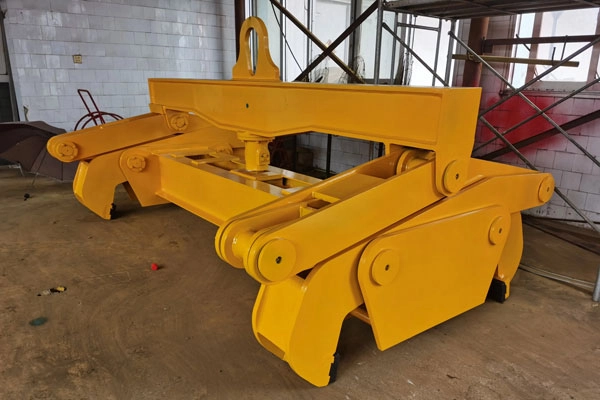
The motorized horizontal coil tong serves as a well-designed tool built for high loads, nonstop work, and tough conditions. An industrial electric gear motor drives the heavy steel legs. These legs move together through a solid rack-and-pinion setup. The even motion keeps the unit centered over the load at every moment. Dangerous uneven swings during overhead moves stop.
Contact pads often receive special linings of high-density polyurethane or industrial rubber; alternatively, specialized curved metal shoes or brass plates are used depending on temperature and material types. These non-marking surfaces stop scratches, cuts, and edge bends. Such protection becomes very important for finished goods headed to market. Intelligent limit switches and torque sensors built into the unit stop the motor as soon as the correct clamping pressure is reached. Over-tightening and serious damage are prevented.
Comparison of Horizontal Material Handling Systems
| Feature | Motorized Horizontal System | Manual Mechanical System |
| Gripping Mechanism | Electrically driven rack and pinion | Gravity and mechanical lever-based |
| Operator Intervention | None required at the floor level | Requires constant manual guiding |
| Clamping Pressure | Precisely controlled by limit switches | Completely dependent on material weight |
| Load Centering | Fully automatic via synchronous legs | Requires very careful manual positioning |
Integration with Coil Tong Cranes for Maximum Efficiency
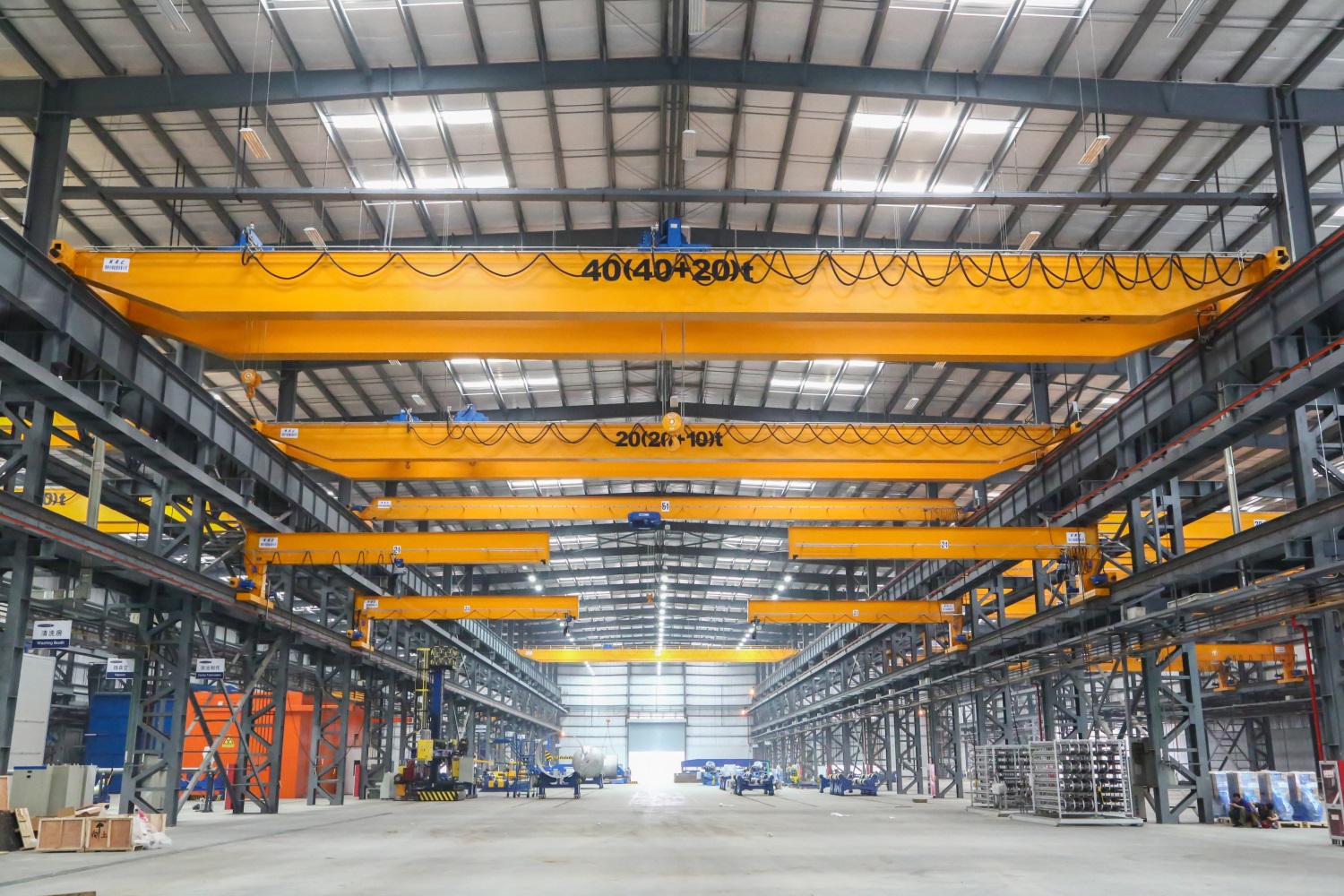
A high-quality motorized gripping unit works best when paired with the right overhead lifting system. To reach top efficiency, these electronic devices must connect smoothly with a dedicated coil tong crane. The connection involves more than simply attaching the clamp to a standard crane hook.
A real coil tong crane system supplies steady electrical power to the gripping unit. Heavy-duty festoon cable systems or spring-driven cable reels running along the crane bridge and suspended from the trolley usually provide this power. Controls for the crane bridge, trolley movement, main hoist, and gripping legs come together in one easy radio remote control unit. One trained operator can then handle the full sequence of loading, moving, and unloading with complete accuracy.
Top Applications for Heavy-Duty Coil Lifting Tongs in Industrial Manufacturing Plants
The wide range and strong build of motorized handling systems make the tools right for many tough, high-demand settings. Any place that processes, forms, or ships large amounts of rolled metal can gain fast and clear payback from these automated lifting solutions.
Different manufacturing sectors bring their own operating problems. Customized automated crane solutions handle and solve those problems well.
Steel Mills
Steel mills create rough conditions with high heat, flying dust, and very heavy loads. Heavy-duty lifting tongs for industrial manufacturing plants used in this field receive special heat shields, high-temperature wiring, and strong alloy steels. These additions let the tools stand up to intense heat from freshly rolled steel. The solid construction prevents any bending of the lifting legs even during nonstop maximum-capacity work.
Aluminum Processing
Aluminum processing plants deal with a different yet important issue. Aluminum is softer than steel and easily shows surface marks or edge damage. Automated coil tongs perform very well here because operators can adjust the electric clamping force exactly through programmable logic controllers. Special non-marking contact pads keep the high-value aluminum surfaces perfect from the rolling mill to the shipping area.
Automotive Plants
Automotive plants follow tight just-in-time schedules where every moment matters. The quick, repeatable, and dependable performance of a motorized horizontal coil tong linked to a fast overhead crane keeps large stamping presses supplied with raw sheet metal. Any slowdown or breakdown in material handling can stop the entire production line at once.
How to Choose the Best Heavy-Duty Lifting Tongs Manufacturers
Picking the right equipment provider matters as much as choosing the equipment. When reviewing the best heavy-duty lifting tongs suppliers, procurement teams must look past the first cost. Engineering skill, global safety certifications, and full after-sales help deserve close attention.
Essential Criteria for Evaluating Industrial Equipment Vendors
A trusted manufacturer avoids offering a standard product for heavy industry. Every manufacturing site has different limits on aisle width, stacking height, and load sizes. The chosen supplier must deliver custom-engineered answers. The partner should perform a careful site review and study the daily workflow in depth.
Customization and Technical Support in Heavy Lift Solutions
FLAGCRANE clearly leads in this area by supplying complete engineering, design, and manufacturing services. Every motorized unit from FLAGCRANE passes strict non-destructive structural tests and dynamic load tests before shipment. Full compliance with international safety standards guarantees outstanding reliability in the toughest industrial settings. On-site installation help and clear operator training from us further ensure a smooth change to the new automated handling system.
Frequently Asked Questions (FAQs)
Q: What are the main benefits of using automated coil tongs over manual ones?
A: Automated coil tongs improve workplace safety because crane operators control the grip and release from a distance. The systems remove the need for people to stand near heavy loads. These features make automated coil tongs a strong choice for heavy-duty lifting tongs for industrial manufacturing plants where safety comes first.
Q: How does a motorized horizontal coil tong work with an overhead crane?
A: A motorized horizontal coil tong hangs from a coil tong crane hook and receives power from the crane electrical system. The operator uses a remote or cabin control to actuate a motorized gear drive, which operates a rack-and-pinion or lever mechanism to open and close the tong legs smoothly. This action gives exact contact with the inner diameter or outer edges of the horizontal coil.
Q: Can motorized coil tongs handle different coil sizes and weights?
A: Yes. High-quality automated coil tongs come with adjustable motorized arms and sensors. Buyers should talk with the best heavy-duty lifting tongs manufacturers and suppliers to build a tong that matches the plant's load capacity and coil size range exactly.
Q: Do I need a specialized coil tong crane to use motorized tongs?
A: Plants do not always need a brand-new crane. The current overhead crane must be equipped with proper electrical auxiliary circuits and power supply systems, such as festoon cables, to feed the motorized coil tongs. Engineers can check the present setup for a proper match.
Q: How do motorized coil tongs prevent damage to the material?
A: Manual tongs depend on gravity and sometimes press too hard into the material. Motorized systems use limit switches, torque limiters, and curved lifting pads. These parts spread the gripping force evenly and stop edge damage to sensitive aluminum or cold-rolled steel coils.