Introduction: The Backbone of Modern Material Handling
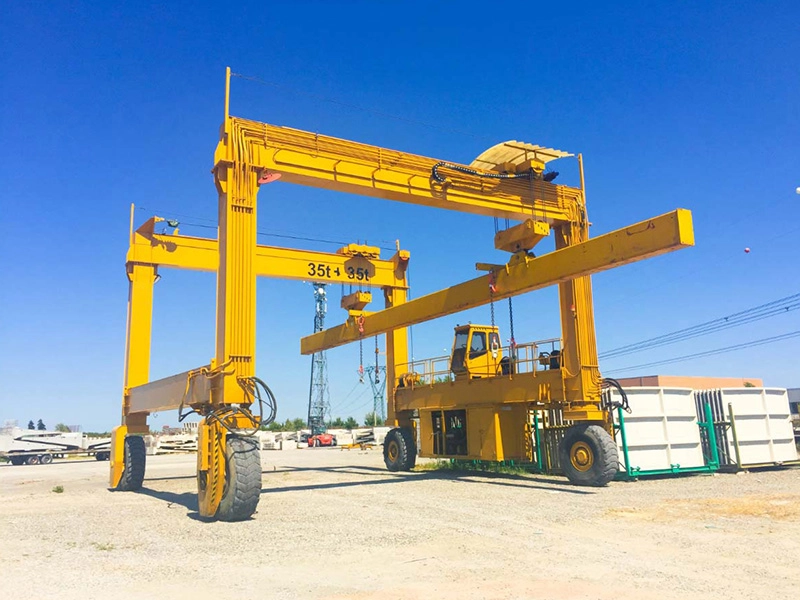
The global logistics and heavy industrial sectors need equipment that can adjust well to tough working conditions. In material handling, smooth performance and flexibility matter a lot for keeping the supply chain running without problems. A rubber tyred gantry crane is a very useful movable gantry crane that uses a strong tire system for movement. Unlike older models that stay on set paths, this machine offers great ability to move around for stacking shipping containers, shifting large building parts, and managing heavy loads in big open areas.
This article will look at the inner parts, particular gains for business, actual uses, and clear edges of these advanced movable lifting systems to support a smart buying choice.
How Does a Rubber Tyred Gantry Crane Work?
The working process of a mobile gantry crane depends on close coordination between its lifting parts and its travel setup. The machine swaps out usual steel wheels and rails for a tire-based travel setup. This change lets the equipment move on its own over prepared ground.
The Hoisting Mechanism
The main job of any heavy lifting machine is to hold, raise, and set down big loads with full accuracy. The hoisting mechanism typically employs a heavy-duty open winch trolley integrated with an anti-sway system, ensuring high-duty cycles and precise control, whereas light industrial variants may use standard electric wire rope hoists. For industrial or precast yard applications, lightweight tire gantry cranes handle capacities from 5 to 20 tons. For modern port container terminals, standard RTG cranes feature heavy-duty double-beam structures with rated lifting capacities under the spreader typically ranging from 40 to 41 tons (and up to 50-65 tons for twin-lift operations), with lifting heights tailored for stacking containers "1 over 5" or "1 over 6" (around 15 to 21 meters). The structures keep strong load support even in hard conditions.
To fit different materials, the lifting setup can connect with several custom spreaders. Based on the goods, operators may select standard hooks, container spreaders, crane C-hooks for steel coils, electromagnets for ferrous metals, or hydraulic grab buckets for bulk materials. This flexibility makes sure the crane can deal with items from standard shipping containers to odd-shaped precast concrete pieces.
The Steering and Mobility System
The feature that sets this equipment apart is the steering and mobility system. The crane does not stay fixed on the steel track. Instead, the crane uses several-wheel steering groups fitted with industrial-grade rubber tires. The design allows movement in many directions. Operators can perform straight travel, side movement, angled steering, and pivot steering. This 90-degree turning ability proves very helpful in narrow aisles and busy storage spots. The control systems commonly include variable frequency drives. These drives support smooth speed changes and stops, so as to avoid load swing and ensure precise cargo placement.
Key Advantages of Using RTG Cranes in Your Yard
Facility managers and port operators often check equipment by looking at return on investment, daily performance, and better use of space. Choosing a mobile gantry solution brings several clear working gains compared to fixed-track choices.
Unmatched Yard Flexibility
The lack of fixed rail tracks changes the whole facility into a workable space. Operators can shift the equipment to various aisles, storage sections, or even nearby sites when work needs change. If one part of the yard sees a quick rise in materials, the crane can drive straight to that busy area. This free movement removes the need to buy several fixed cranes for separate zones. The result improves fleet use and raises total material handling output.
Lower Infrastructure Investment
Setting up traditional rail-mounted equipment calls for major civil engineering efforts. Facilities must dig out areas, add heavy reinforced concrete bases, and place carefully aligned steel tracks. The work costs a lot and stops current activities. A rubber-tyred gantry crane avoids these large infrastructure costs. While the equipment stands as a big capital cost, the machine greatly lowers site prep expenses. The main need is a level paved surface, such as firm asphalt or concrete, that can hold the wheel loads. Also, ongoing costs tied to rail alignment and track wear disappear completely.
Common Rubber Tyred Gantry Crane Applications
The mix of strong lifting power and ground flexibility makes these movable lifting solutions necessary in many heavy industries. The machines work in temperatures from minus 20 to plus 50 degrees Celsius, so they stay dependable in harsh weather.
Port Terminals and Container Stacking
The best-known use appears inside seaport terminals and inland transfer centers. The equipment serves for loading, unloading, sorting, and stacking standard shipping containers. The span lengths of port RTG cranes typically range from 22 meters to 27 meters (equivalent to 6 to 7 rows of containers plus a truck lane). Customized industrial mobile gantries can, however, feature shorter or narrower spans starting from 7.5 meters. Operators can pull a certain container from a tight stack and place it right onto a waiting transport vehicle with little side adjustment.
Precast Concrete and Construction Yards
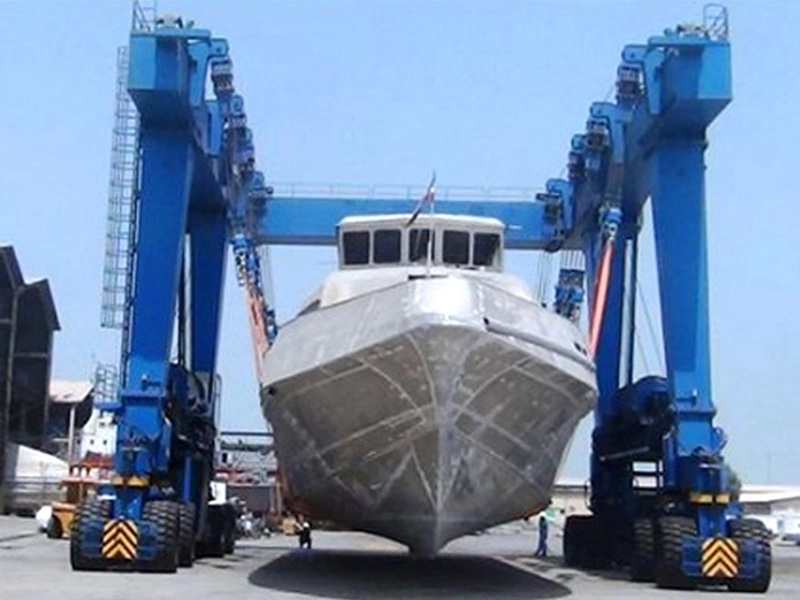
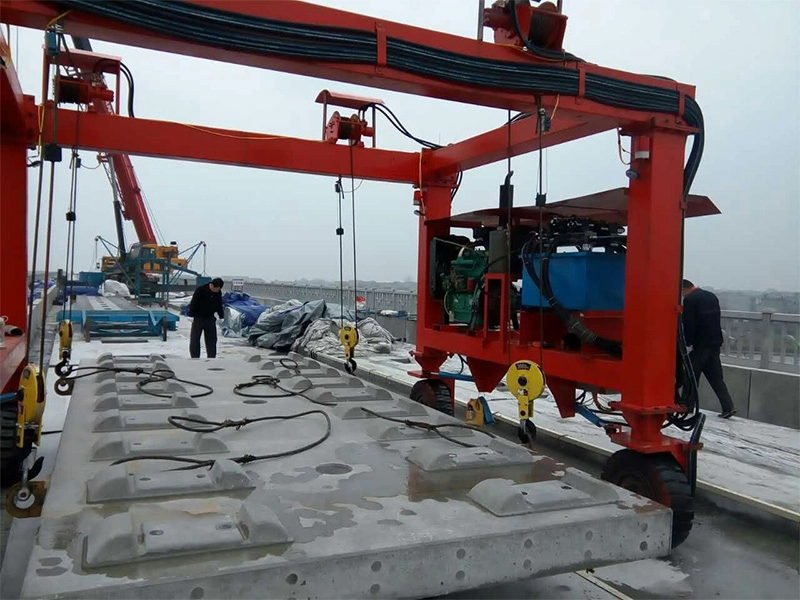
Outside shipping yards, these mobile cranes see heavy use in construction and manufacturing fields. In precast concrete plants, the cranes lift, move, and store huge bridge sections, concrete columns, and large steel pipes.
RTG Crane vs. RMG Crane: Making the Right Choice
When setting up yard infrastructure, buying teams often weigh Rubber Tyred Gantry cranes against Rail-Mounted Gantry cranes. Knowing the technical differences helps match equipment skills with business needs.
Mobility vs. Fixed Paths
The basic difference comes from their travel abilities. A mobile tire gantry crane can go anywhere on a paved site. The crane moves around barriers and shifts between different container groups. On the other hand, an RMG crane stays limited to its set steel tracks. If an RMG crane must go to the next yard, the move cannot happen without taking the equipment apart. For sites that value changing space use and layout options, the tire-based system works better. For sites with very high-volume straight workflows, rail systems could receive consideration.
Power Supply and Automation
Power delivery also separates the two systems. In the past, mobile gantry cranes used onboard diesel generators to run their electric motors. This gave full freedom from grid ties. Current versions now include hybrid setups or cable reel-powered electric systems to lower emissions and cut running costs. RMG cranes almost always receive power from high-voltage cable reels or solid conductor bars that follow their tracks. Because RMG cranes follow a fully expected fixed route, they prove somewhat simpler to automate fully. These advances let mobile tire cranes provide semi-automated and very exact automated container handling.
Here is a simple comparison to support decision-making:
1. Movement: Tire cranes give multi-directional yard travel while rail cranes are limited to a straight line.
2. Infrastructure Cost: Tire cranes need little civil engineering, while rail cranes need costly foundation and track installation.
3. Maintenance: Tire systems need regular checks on tire pressure and wear, while rail systems need checks on track alignment and foundation shifts.
4. Working Environment: Both suit indoor and outdoor work. RMG cranes usually operate in heavy-duty working classes such as A5 to A8, while industrial RTGs typically range from A5 to A7 based on application intensity.
Partnering with a Reliable RTG Crane Manufacturer: The FLAGCRANE Commitment
Putting money into heavy lifting machines means working with a maker that knows the details of industrial material handling. FLAGCRANE focuses on supplying top lifting solutions that mix new engineering with strict safety rules.
Engineering for Safety and Efficiency
Machine strength cannot be compromised in port and industrial work. FLAGCRANE applies an orderly, standard, and modular design approach to build lifting equipment known for light weight, energy savings, and strong technical features. The tire gantry solutions have straightforward but very stiff structures that hold high load capacities. Safety forms part of every element, from overload limiters and emergency stop systems to collision avoidance sensors. Whether a single-beam setup for light tonnage work or a double-beam structure for heavy lifting is necessary, the engineering group adjusts the span, lifting height, and spreader type to fit exact site conditions.
Global Support and Maintenance Solutions
Buying a heavy mobile crane starts a lasting working relationship. FLAGCRANE knows that equipment stops mean direct loss of income. For this reason, the company offers a complete set of after-sales services to make certain the crane runs fast, steady, and without fail. With a worldwide reach covering nations, FLAGCRANE holds a skilled technical group prepared to give maintenance advice, spare parts supply, and custom improvements. From the first layout discussion to support after setup, the focus stays on raising the productivity of the facility.
Frequently Asked Questions (FAQ)
Q: What is the typical lifting capacity of a rubber-tyred container gantry crane?
A: The lifting capacity of a rubber-tyred container gantry crane is mostly 30t (tons), with a span of 6 rows of containers, a width of 1 transfer lane, and a lifting height of 4 over 5 (11–12 meters).
Q: Can a rubber-tyred gantry crane move while fully loaded?
A: Yes, these mobile gantry cranes are built to travel with a hanging load. This feature makes the machines very effective for carrying heavy parts across a yard or rearranging shipping containers. Still, to keep safety and stop structural stress, the ground must be well paved, even, and strong enough to bear the combined weight of the equipment and the cargo.
Q: How is an RTG crane powered?
A: Power supply choices stay flexible to match environmental and working needs. Older models use onboard diesel generators. These provide total freedom from electrical grids. To meet current environmental rules and reduce fuel expenses, many sites now move toward hybrid systems or fully electric versions that employ motorized cable reels or battery packs to run the travel and hoisting mechanisms.
Q: What are the ground requirements for operating an RTG crane?
A: While the cranes remove the need for fixed steel rails, the large point loads from the equipment demand firm support. The working surface must be a strongly reinforced flat concrete or thick asphalt yard. A well-designed surface stops tires from sinking, reduces equipment wear, and gives the best stability when raising heavy loads to tall heights.
Q: Why should I choose an RTG crane instead of a standard mobile crane?
A: Standard mobile cranes that rely on boom-based lifting perform well for short-term construction sites but lack the firmness and output needed for ongoing yard management. A mobile gantry crane supplies a much broader span, better side stability for large rectangular loads such as shipping containers, and a straight up lifting path that permits much higher and tighter stacking in limited storage areas.