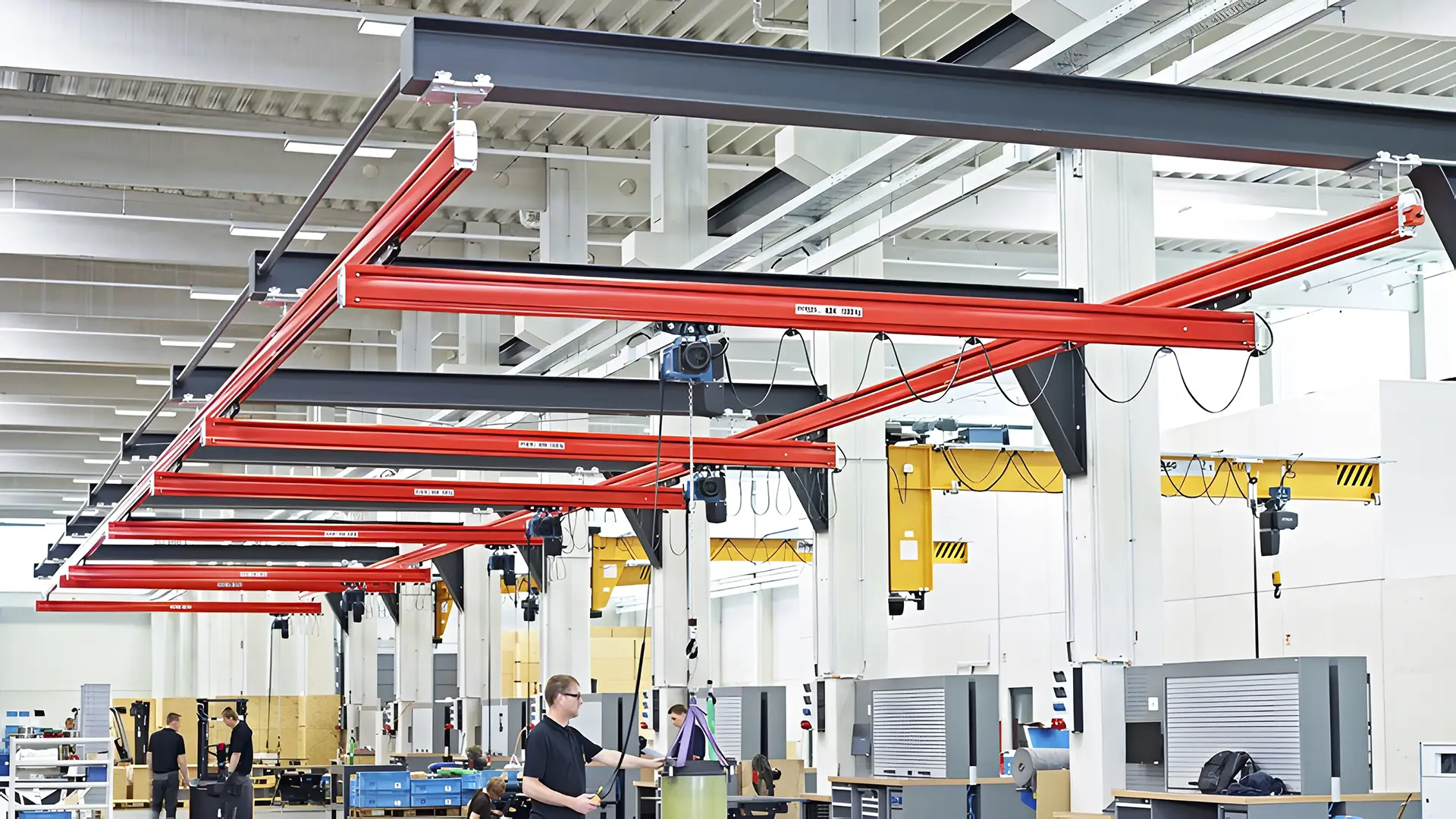
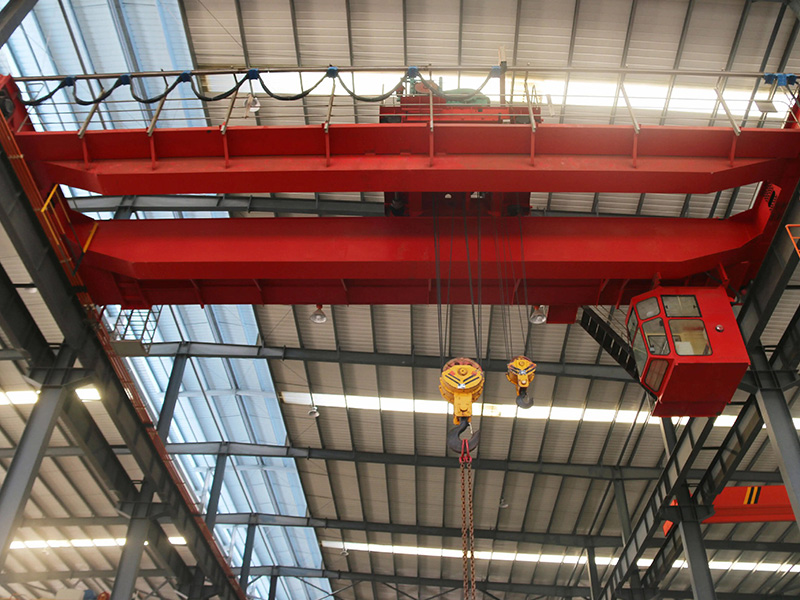
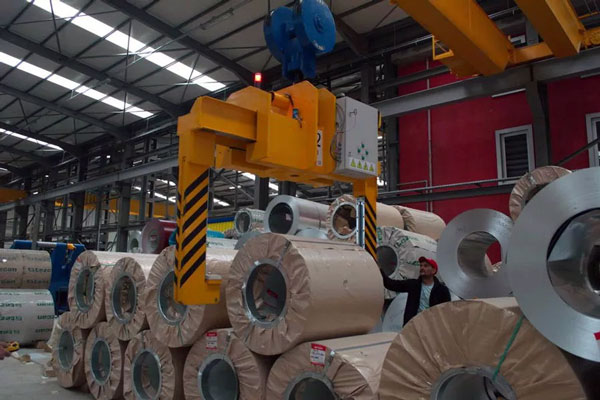
Overhead cranes and hoists serve as essential tools in numerous industrial tasks, which allow workers to lift and move heavy loads in factories, storage areas, and building sites. Yet, without proper care or correct use, these systems create serious dangers for employees. For example, a factory mishap in Chicago during 2023 involved a crane breakdown. The breakdown caused a load to fall, which hurt three workers and damaged nearby machinery badly. This event stands as just one case. The Occupational Safety and Health Administration (OSHA) reports more than 80 deaths and 140 major injuries from crane and hoist mishaps in the United States over the last year. Many such events arise from ignored upkeep or insufficient preparation. This piece explores the vital function of steady checks and full training efforts in stopping these mishaps.
OSHA Regulations: Legal Requirements for Crane and Hoist Safety
Overview of OSHA 1910.179 Standards
The Occupational Safety and Health Administration (OSHA) 1910.179 standard sets the legal rules for safety with overhead and gantry cranes. Employers must carry out steady checks, secure operator approval, and keep good records to prove they follow the rules. These rules seek to cut down on job dangers while encouraging safe lifting work in all fields that use overhead cranes and hoists.
Inspection Frequency and Requirements
OSHA rules demand yearly checks. But equipment used often might need daily or monthly reviews based on how much work it does. Workers must record each check well to show they meet the rules and spot possible problems before these problems grow into breakdowns or safety events.
Key Areas to Examine During Equipment Inspections
Structural Components
Check beams, joints, and support frames for breaks or rust that could weaken the ability to hold loads.
Mechanical Components
Look at gears, brakes, hooks, and wire ropes for damage or bending that could harm steadiness while in use.
Electrical Systems
Make sure limit switches, control panels, and emergency stop systems work correctly to avoid extra travel or quick drops of loads.
The Impact of Regular Inspections on Accident Prevention
Steady checks matter greatly since research shows that most crane events start from mechanical oversight or bad upkeep habits. Forward-looking check plans not only cut down event numbers but also lengthen how long equipment lasts and reduce costs from harm in the workplace.
The Importance of Employee Training in Crane and Hoist Safety
OSHA Training and Certification Requirements for Operators
OSHA requires every crane operator to complete thorough training matched to the crane type in question. Approval covers lessons on ways to handle loads, safe steps for operation, signal methods, and actions for emergencies to guarantee steady safety in work.
Extending Training Beyond Operators
Safety training goes beyond operators. Employees near crane areas must learn about awareness in load zones and signal methods too. This knowledge helps them stay out of risky spots during lifts. Good talk between operators and ground workers makes sure movements stay in sync for tough lifting jobs.
Customized Training Programs for Different Work Environments

Every industrial setting brings its own issues. Thus, training plans made for exact site needs work better than basic classes. Learning based on real situations lets employees use safety ideas in actual cases. This approach also builds strong habits that match OSHA rules. As a full-service provider, Flag Crane offers safety training and other key courses to clients in various fields. Flag Crane aims to boost safety and output in lifting tasks.
The Real Cost of Ignoring Crane and Hoist Safety
Common Accidents Linked to Crane Operations
Crane mishaps frequently cause deaths from loads that fall or gear that gives way due to too much weight or part breakdowns. Other usual harms include crushing events or shocks from electricity when cranes touch active power lines in use.
Data on Preventable Accidents in Industrial Settings
Reports from the field consistently show that many crane-related accidents could be prevented through regular maintenance schedules and ongoing training for operators. According to a 2022 study by the National Safety Council, nearly 40% of crane accidents were attributed to mechanical failure, many of which could have been identified through routine inspections. Additionally, OSHA data reveals that human error, often due to inadequate training or failure to follow safety protocols, accounts for another 32% of these incidents. Regular reviews frequently uncover recurring issues linked to insufficient oversight or a lack of adherence to established safety procedures. These findings emphasize the importance of proactive maintenance and continuous operator education in reducing crane-related accidents and improving workplace safety.
Root Causes: Equipment Failure vs Human Error
Equipment Failure Factors
Mechanical issues usually come from stress breaks in frame parts or cables worn down from bad oiling over periods.
Human Error Factors
Human issues like wrong guesses on load limits or poor talk during lifts with several people remain the top reasons for avoidable mishaps with overhead cranes.
Preventive Measures Through Maintenance and Education
Set upkeep plans paired with steady lessons for employees, and build the base for strong plans to stop mishaps in crane work. Machinery checked on schedule spots dangers early before these dangers turn into big events. Constant lessons also create a solid sense of safety among groups at every rank in an organization.
FLAGCRANE Products: Enhancing Safety Through Quality Engineering
Introduction to FLAGCRANE’s Product Lineup
FLAGCRANE supplies expert custom lifting gear for clients with varied uses and demands. FLAGCRANE designs and builds special gear such as: 800T double girder gantry crane, 360T European style double girder overhead crane, 225T casting overhead crane. FLAGCRANE’s product line handles lift weights from 0.5t up to 800t with reaches up to 35m. These options fit many fields like steel-making sites, ship building yards, shipping centers, mining spots, rail lines, and factory areas around the world.
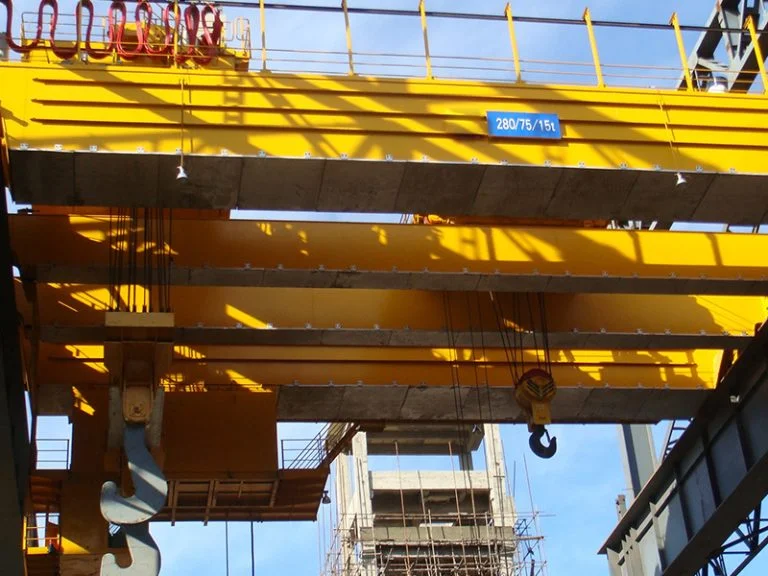
Key Features That Support Safe Operations
Durability and Reliability
Top-quality materials provide long use under hard settings. FLAGCRANE’s strong overhead cranes are built for lasting strength even in tough air conditions from -20℃ to 50℃.
Ease of Operation
User-friendly control setups cut down tiredness for operators and boost exactness in hard lifts. These setups ensure even flow between motion controls for better aim.
Built-in Safety Mechanisms
New features like overload limiters stop too much strain on frame parts. Built-in emergency stop systems stop all movement at once if dangers appear.
Warranty and After-Sales Support for Long-Term Safety Assurance
Immediate Support Wherever and Whenever You Need
Our professional service team commits to keeping a working crane at the site. The team stands ready for 24/7 after-sales help. Full warranties cover mechanical work strength as well as long-term use stability. These warranties ensure ongoing safety in the workplace over the full life of products.
Integration with Employee Training Programs
FLAGCRANE’s gear guides hold clear operation steps matched to OSHA rules. These guides serve as great aids in plans for employee growth, focused on safe ways to handle materials. Modern setups with simulations aid in teaching.
Reinforcing Workplace Safety Through Maintenance and Training Practices
Key Takeaways on Safe Crane Operation Practices
Regular upkeep to prevent stays basic in avoiding big mechanical breakdowns that lead to safer job places. Full efforts in training staff ensure skill at all levels for using overhead cranes with care.
Building a Sustainable Culture of Safety in Industrial Environments
Pairing solid high-work gear like FLAGCRANE’s custom overhead cranes with skilled workers sets up strong systems that put staff safety first. This focus protects the firm’s good name while keeping steady output in industrial places worldwide.
FAQ
Q: How often should an overhead crane be inspected?
A: According to OSHA standards, annual inspections are required; FLAGCRANE recommends additional monthly checks depending on usage frequency.
Q: What features improve the safety performance of an overhead crane?
A: FLAGCRANE integrates overload limiters, anti-sway technology ergonomic controls plus emergency stop functions, enhancing operational security.
Q: Why is employee training essential for hoist safety?
A: Properly trained staff understand load management communication signals, risk zones, and prevent mishandling incidents.
Q: Can customized solutions improve workplace efficiency?
A: Yes, customized FLAGCRANE systems adapt perfectly within specific environments optimizing material flow, reducing downtime enhancing both productivity & safety simultaneously.