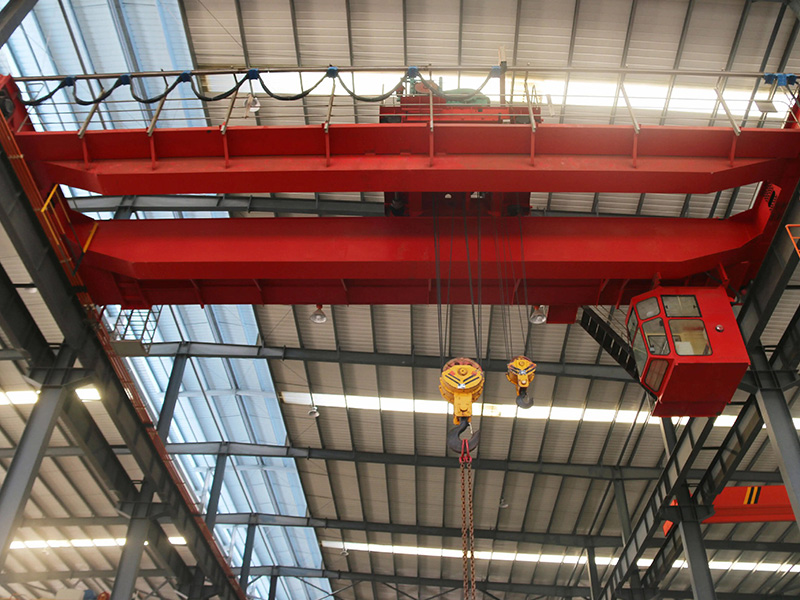
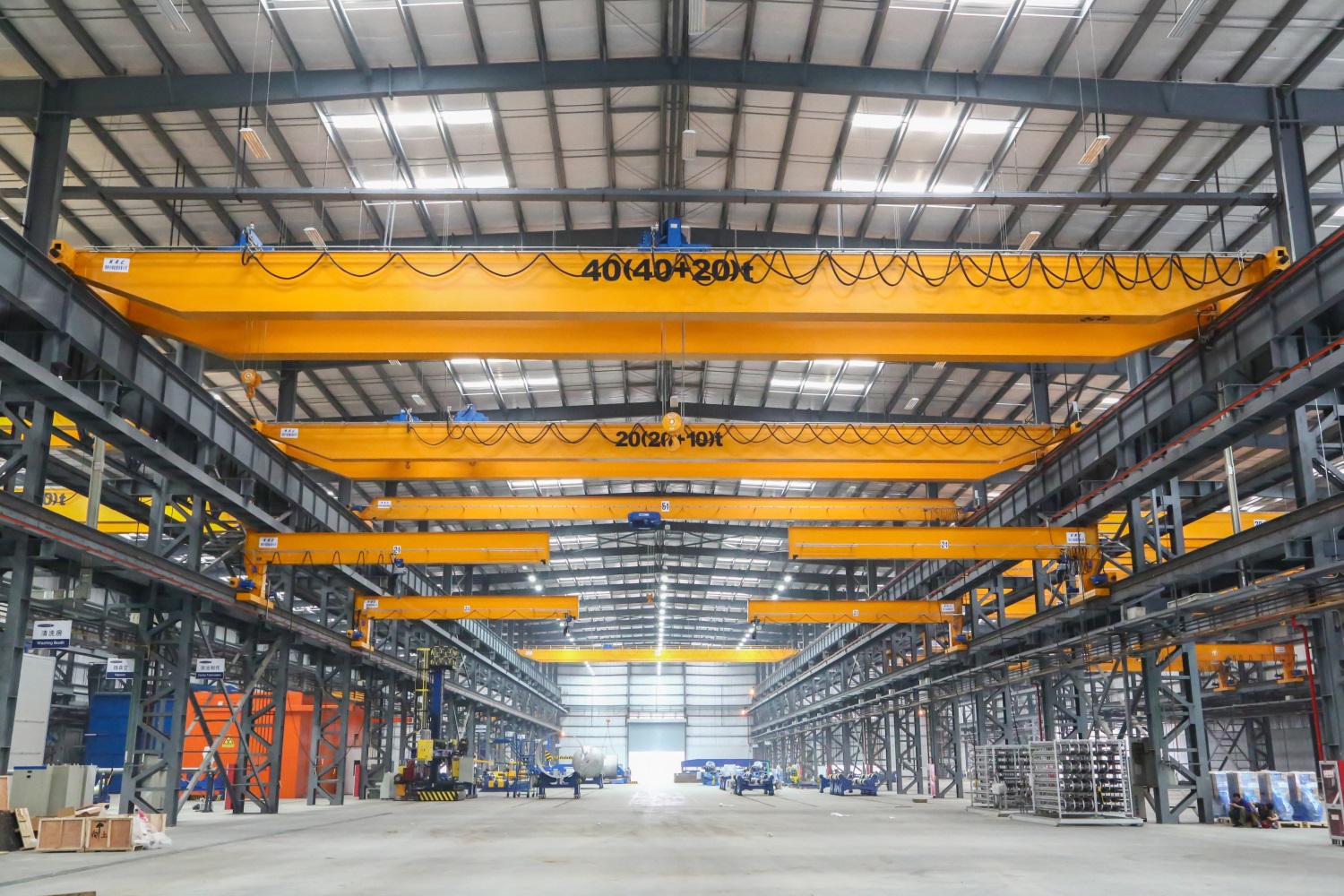
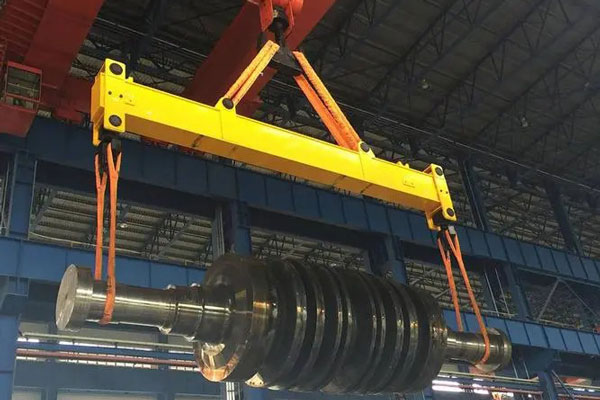
Preventive maintenance is easier to manage when every task answers three questions: what component is being checked, how often it should be checked, and what action should follow when something abnormal is found.
This approach is highly important for an overhead crane. Different parts like the lifting system, bridge travel mechanism, wheels, brakes, the hook block, wire rope, structural pieces and electrical controls wear down at totally different speeds. Thus, an overhead crane that is used continuously in a steel plant will require a different maintenance policy from one that is used only occasionally to maintain equipment in a power station.
A useful overhead crane maintenance checklist should therefore combine component condition, service interval, working environment, and maintenance history rather than rely on one fixed calendar.
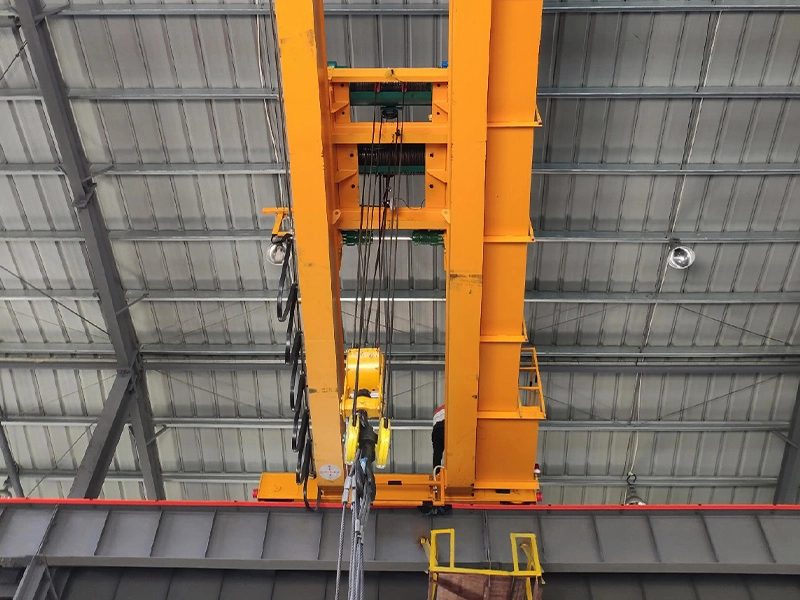
How Should an Overhead Crane Preventive Maintenance Program Be Structured?
A good program separates routine observation from planned servicing and deeper periodic inspection. Mixing them together often produces long checklists that are difficult to use and easy to ignore.
Separate Operator Checks, Planned Maintenance, and Periodic Inspection
Three levels work well in most industrial plants.
- Operator checks focus on visible or functional changes before or during normal use.
- Planned maintenance deals with wear, lubrication, adjustment, fastening, cleaning, and replacement work.
- Periodic inspection examines the crane more deeply for structural, mechanical, and electrical deterioration.
For example, an operator may notice unusual hook movement or abnormal brake response. A maintenance technician then investigates the related mechanism. A scheduled inspection may go further by checking the hook block, sheaves, rope condition, brake wear, fasteners, and electrical components.
These levels should support each other instead of repeating the same tasks.
Set Service Intervals by Duty, Environment, Usage, and Manufacturer Guidance
There is no single service interval that suits every overhead crane.
A maintenance planner should consider:
- operating cycles per shift
- typical load percentage
- frequent starts and stops
- dust, heat, humidity, or corrosive conditions
- long idle periods
- previous failures or repeated defects
- component criticality
- manufacturer instructions
This becomes especially important in heavy-duty industries. FLAGCRANE metallurgical crane applications can involve high working levels, frequent starting and braking, high temperatures, dust, and demanding process conditions.
A lightly used workshop crane should not automatically receive the same schedule as a crane working around hot steel.
What Should Be Checked at Each Overhead Crane Service Interval?
The interval should control the depth of the task. Short-interval checks look for developing problems. Longer-interval work measures wear and evaluates condition trends.
Pre-Shift and Frequent Overhead Crane Checks
Frequent checks should concentrate on items that can affect normal operation quickly.
| Area | Typical check |
| Hook and hook block | visible deformation, latch condition, unusual movement |
| Wire rope or chain | broken wires, damage, twisting, abnormal wear |
| Brake | stopping response, drift, unusual noise |
| Controls | correct motion response, damaged buttons or pendant |
| Limit devices | correct function |
| Travel system | unusual sound, vibration, skewing |
| General condition | leakage, loose parts, visible damage |
FLAGCRANE hook block configurations can include forged hooks with safety latches, pulleys, bearings, and grease fittings, so these items should be treated as a group rather than checking only the hook itself.
Scheduled Preventive Maintenance Tasks
Scheduled maintenance should go beyond observation. Typical tasks include lubrication, tightening, cleaning, alignment checks, brake adjustment, electrical connection inspection, wheel condition review, and wear measurement.
Crane rope drums also deserve attention because they wind and support the wire rope during lifting. Their condition affects rope alignment and rope wear. FLAGCRANE supplies customized crane rope drums and identifies the drum as a key lifting component used with hoists, overhead cranes, and other lifting systems.
Do not replace the manufacturer’s service interval with a generic monthly or annual rule when the crane manual specifies otherwise.
Periodic Inspection and Maintenance Record Review
A periodic review should bring mechanical, structural, and electrical findings together.
Maintenance teams can compare current results with previous records. A wheel flange that shows slightly more wear each inspection may reveal a travel alignment problem long before it becomes a breakdown.
This review should also verify whether previous corrective actions worked. A repeated brake adjustment, recurring electrical trip, or recurring wheel wear pattern deserves more attention than an isolated finding.
Which Overhead Crane Components Need Preventive Maintenance?
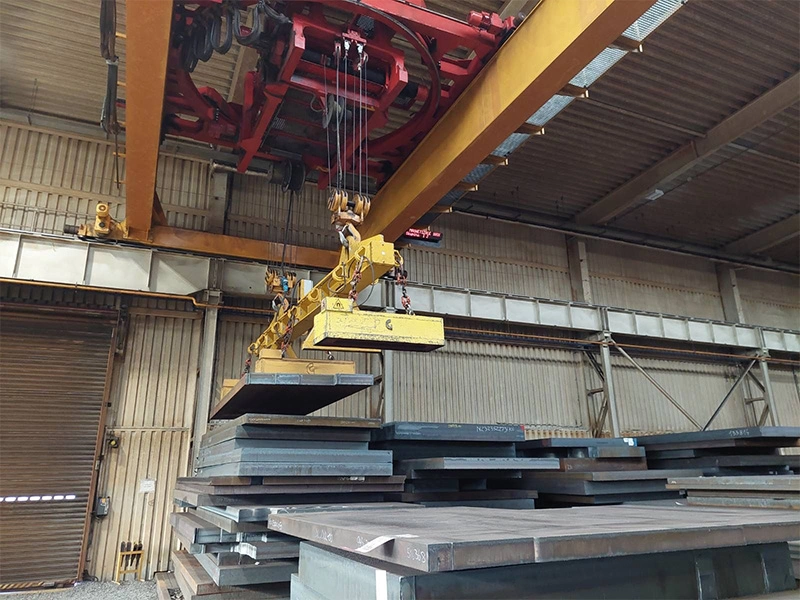
Different components fail in different ways, so the checklist should be organized around the crane system rather than one generic list.
Hoist, Hook Block, Wire Rope or Chain, Drum, Sheaves, and Brakes
The hoisting mechanism handles the vertical load and normally receives the closest attention.
Check the hook throat and latch, rope or chain condition, reeving, drum grooves, sheaves, bearings, brakes, reducer condition, and abnormal noise.
FLAGCRANE’s CD/MD wire rope electric hoist uses a lifting system that includes a reducer, motor, control box, wire rope, controller, gears, and hook. It can be used independently or as the lifting mechanism of single-girder or double-girder cranes.
That component layout shows why hoist maintenance should never focus on the rope alone.
Bridge, Trolley, End Trucks, Wheels, Rails, and Structural Connections
The travel system should move smoothly without excessive vibration, skewing, or unusual wheel contact.
Inspect overhead crane wheels for flange wear, surface damage, bearing condition, and uneven running. Check rails for visible damage or irregular contact and examine bolted structural connections where accessible.
FLAGCRANE crane wheels are used on overhead cranes, gantry cranes, trolleys, and other lifting equipment. Different wheel materials and designs are available for different loads and working environments.
Repeated wheel wear should not simply trigger another wheel replacement. It can point to rail alignment, structural geometry, bearing, or travel-drive issues.
Electrical Controls, Limit Switches, Power Supply Components, and Lubrication Points
Electrical preventive maintenance should cover control panels, contactors, cables, power supply systems, limit switches, emergency stop functions, motors, drives, and visible connection condition.
Many FLAGCRANE crane configurations can include limit switches, overload protection, emergency stopping, voltage protection, and current protection.
Maintenance teams should test safety-related functions according to the applicable procedure rather than bypassing them during troubleshooting.
Lubrication points should also be recorded by component. Too little lubrication increases wear, while uncontrolled over-lubrication can contaminate brakes or attract dust.
How Should Maintenance Change for Steel Mills, Manufacturing, and Utility Plants?
The same crane component may require very different attention depending on where it works.
Adjust Maintenance Priorities for Heat, Dust, High Cycles, Corrosion, and Standby Service
| Application | Maintenance priority |
| Steel mill | heat, dust, high cycles, brakes, wheels, electrical protection |
| Manufacturing line | repeated travel cycles, controls, positioning, hoist wear |
| Maintenance workshop | readiness after idle periods, controls, lubrication |
| Power or water facility | standby condition, corrosion, occasional heavy lifts |
A steel mill is a good example. FLAGCRANE provides metallurgical overhead crane solutions for operations involving ladles, billets, ingots, coils, casting workshops, rolling areas, heat-treatment processes, and other demanding steel-production environments.
A crane working in these conditions may need closer attention to brakes, insulation, wheels, rope systems, lubrication, and heat-exposed parts than a crane used occasionally in a maintenance bay.
Decide Whether to Monitor, Repair, Isolate, or Escalate the Finding
Not every finding has the same urgency.
A simple four-level approach helps:
- Monitor: minor change with no immediate effect on safe operation.
- Plan repair: wear is progressing and should be corrected during scheduled downtime.
- Repair before return to service: the defect affects a critical function.
- Isolate and escalate: the condition creates uncertainty about safe operation and needs qualified evaluation.
This method prevents maintenance teams from treating every defect as equal while making sure critical problems receive immediate attention.
How Should Maintenance Records Support Downtime and Spare-Parts Planning?
Record Measurements, Repeated Findings, Replaced Parts, and the Next Due Action
Maintenance records should help the next technician understand what happened, not just prove that a checklist was completed.
Record:
- crane asset number
- inspection date
- component
- observed condition
- relevant measurement
- corrective action
- replaced part
- technician
- next due action
Over time, this creates a useful failure history. If the same bearing, brake, hook component, or wheel repeatedly requires attention, maintenance teams can plan parts and downtime before production is affected.
At FLAGCRANE, we provide design, installation, upgrading, modification, training, after-sales service, and replacement parts support. Our service scope also includes parts for different crane and hoist brands, which can help plants manage mixed equipment fleets.
For a maintenance program to work well, the checklist should not end with “pass” or “fail.” It should end with a clear next action.
FAQ
Q: What should be included in an overhead crane maintenance checklist?
A: A proper list must check the main hoist, hook block, lifting rope, or steel chain. It should also include the winding drum, sheaves, brakes, moving trolley, and bridge travel system. Do not forget the overhead crane wheels, steel rails, and bolted structural joints. Finally, inspect the electrical panels, safety limit devices, grease points, and past repair logs.
Q: Which overhead crane components require the most frequent inspection?
A: Components exposed to repeated movement or load usually need close attention. These include hooks, wire ropes or chains, brakes, controls, limit devices, hoisting components, and travel mechanisms. Actual frequency should follow the equipment manual and site maintenance plan.
Q: How should an overhead crane maintenance schedule change in a steel mill?
A: Steel mills constantly blast cranes with extreme heat, thick dust, and massive loads. The machines also suffer from endless starting and hard braking. Because of this, the upkeep plan must focus heavily on the brakes, steel wheels, and lifting ropes. Mechanics must also guard the electrical wiring, keep grease fresh, and check the steel frame often. Severe service destroys parts quickly.
Q: When should an overhead crane be taken out of service for maintenance?
A: A facility must remove a crane from active duty whenever a broken part threatens safe lifting or moving. Major faults with the brakes, hook, rope, or steel frame are highly dangerous. The same goes for electrical shorts or failed safety sensors. A certified expert must evaluate and fix these serious problems completely. Only then can the machine return to normal daily work.