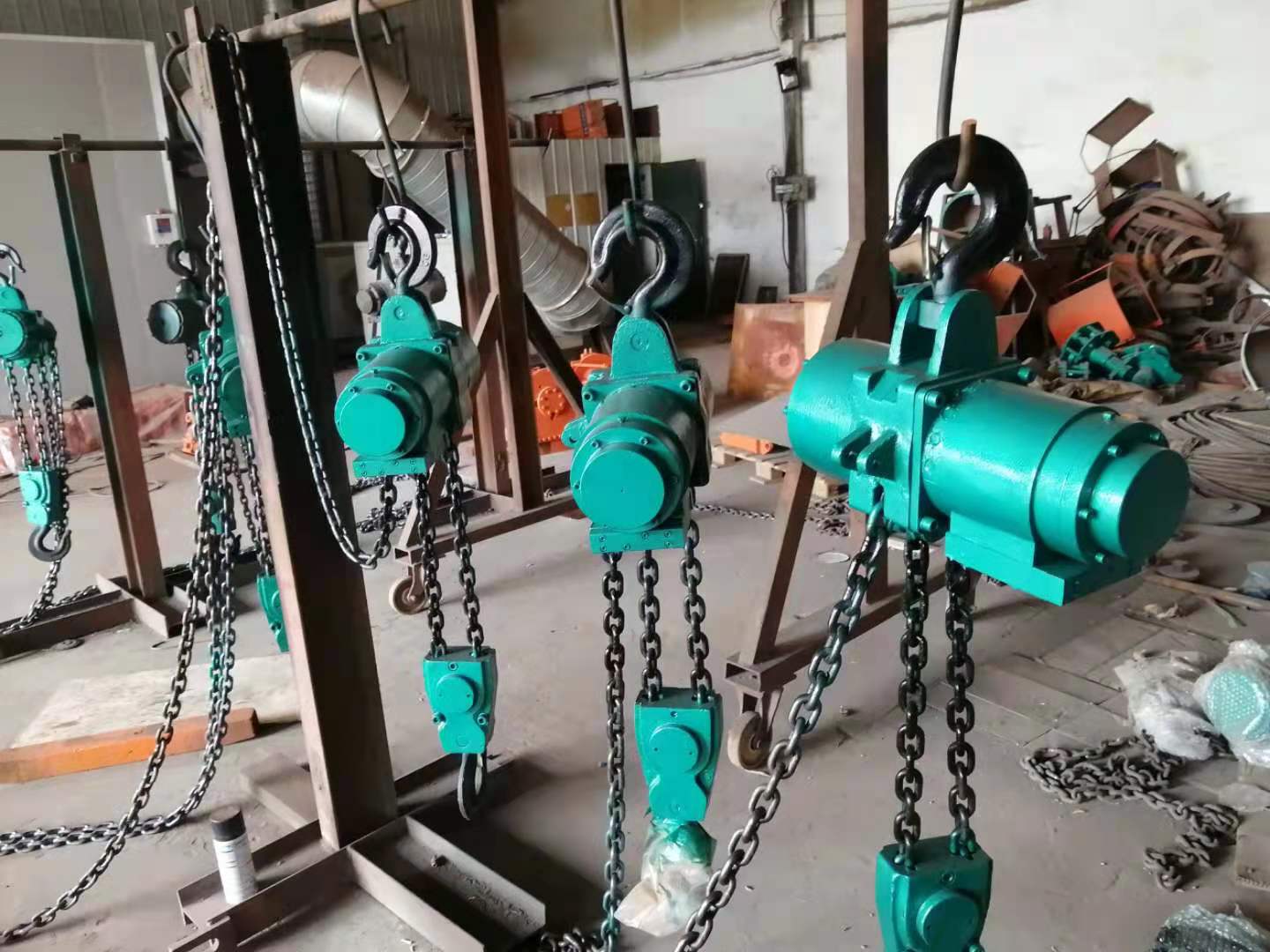
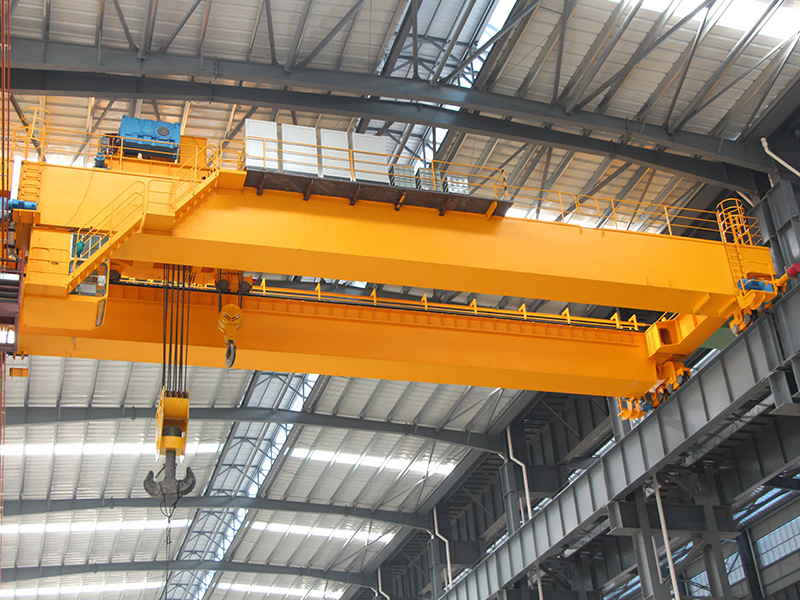
Factory cranes form the core of current production areas. These machines enable secure, accurate, and effective material handling. By 2026, the variety of available cranes will have expanded greatly. Options range from small workstation setups to huge gantry cranes that lift several hundred tons. Factory cranes boost output. Factory cranes also raise worker safety and smooth operations. The next parts examine six main types of factory cranes and cover real-world uses for each type.
Overhead Bridge Cranes
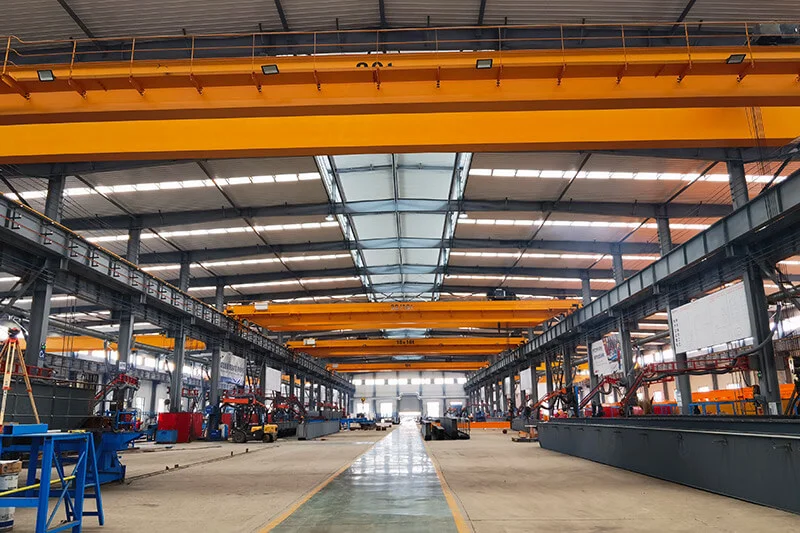
Overhead bridge cranes continue as one of the most frequent lifting setups in big industrial areas. Experts value these cranes for the skill to shift heavy items over wide distances. These shifts occur without blocking the floor space.
Key Features and Design of Overhead Bridge Cranes
Overhead bridge cranes include parallel runways. A moving bridge stretches across the space between the runways. The setup permits even horizontal and vertical load shifts. This quality proves essential in repeated lifting tasks.
| Lifting Capacity | 5t to 320t (Customizable) |
| Span | 7.5m to 35m |
| Lifting Height | 6m to 30m |
| Working Class | A5, A6, A7, A8 |
| Ambient Temperature | -20℃ to 50℃ |
These details show the fit for high-volume production lines. The details also show the fit for metal fabrication plants, where exact work holds great importance.
Common Industrial Applications
- Automotive assembly lines for moving engines and chassis components.
- Steel mills transfer molten metal containers safely between furnaces and molds.
- Warehouses require consistent vertical and horizontal motion for palletized goods.
Gantry Cranes
Where overhead structures are lacking or face restrictions, gantry cranes offer a flexible choice. Gantry cranes work well for indoor and outdoor tasks.
Structural Characteristics of Gantry Cranes
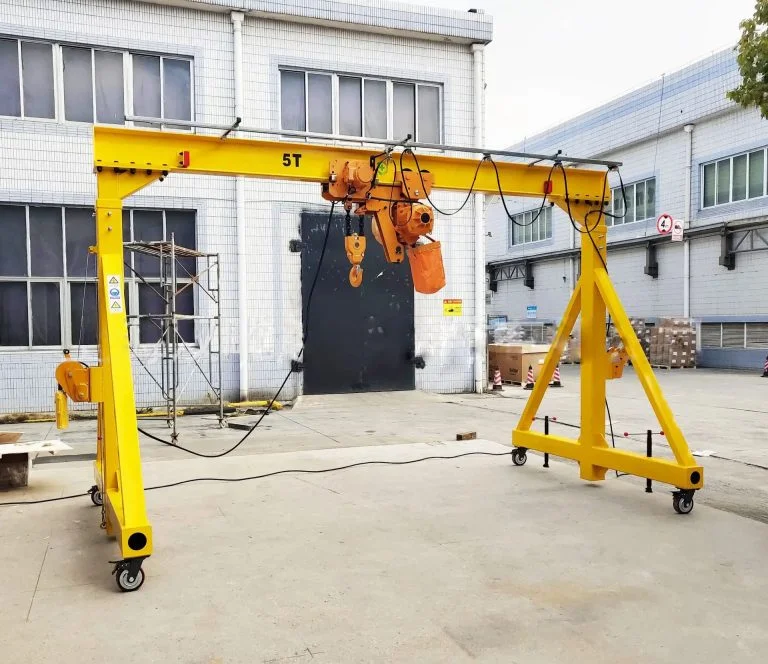
Gantry cranes differ from overhead bridge cranes. Legs support gantry cranes, and these legs roll on rails or wheels. Configurations include full gantry, semi-gantry, or portable versions. Site limits guide the choice.
| Lifting Capacity | 5t to 800t (Customizable) |
| Span | 7.5m to 35m |
| Lifting Height | 6m to 30m |
| Working Class | A5, A6, A7, A8 |
These figures highlight their capability for outdoor yards, shipbuilding docks, and container terminals handling extremely heavy loads.
Application Scenarios in Modern Factories
Gantry cranes appear often in heavy equipment manufacturing plants. In these plants, workers lift large materials many times. Logistics centers employ mobile gantry systems for flexible load transfers between zones, while construction sites benefit from temporary lifting setups that can be dismantled quickly after project completion.
| Type | Typical Use | Mobility |
| Full Gantry | Shipyards | Fixed rail |
| Semi-Gantry | Factories | Partial floor support |
| Portable | Workshops | High mobility |
Jib Cranes
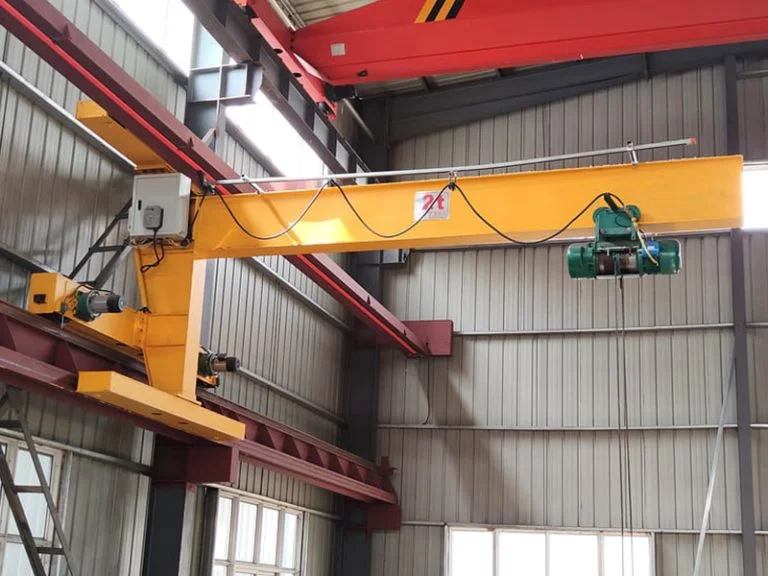
For tasks limited to workstations or small production units, jib cranes supply a practical answer. Jib cranes save space. At the same time, jib cranes keep good control.
Technical Overview of Jib Crane Systems
A jib crane has a level arm called the jib. The jib attaches to an upright post or wall support. The setup allows turns from 180° up to complete 360°.
| Lifting Capacity | 1t–32t (Customizable) |
| Lifting Height | 6m–30m |
| Span Length | 7.5m–28.5m |
| Working Class | A3–A4 |
These specs suit repeated small-load jobs. In such jobs, accuracy counts more than great force.
Industrial Use Cases for Jib Cranes
Commonly used at machining stations for loading parts onto machines or unloading finished products. They also serve assembly lines requiring frequent repositioning of components and maintenance workshops dealing with tools or replacement parts.
Monorail Cranes
Monorail cranes provide straight movement along a set beam path. This feature suits smooth production flows. The paths follow expected routes.
Design Elements of Monorail Crane Systems
Monorail systems run on one monorail track. The track hangs from ceilings or beams. Since monorail systems need little floor area, plants with cramped designs favor monorail systems. Continuous assembly lines also favor monorail systems.
| Lifting Capacity | 2t to 16t (Customizable) |
| Span | 7.5m to 28.5m |
| Lifting Height | 6m to 18m |
Practical Applications Across Industries
Monorail cranes excel in manufacturing plants with sequential processes such as painting or finishing lines, where smooth material flow is essential. They’re also found in warehouses, transporting goods between storage zones efficiently without obstructing pathways.
Wall-Mounted Cranes
Wall-mounted systems make the best use of floor area. These systems offer steady side movement along building walls. Wall-mounted systems fit workshops with tight paths or low ceiling space.
Functional Aspects of Wall-Mounted Crane Systems
Workers mount wall-mounted cranes straight on building walls. No floor pillars support wall-mounted cranes. These cranes move back and forth along a wall track. This design removes ground blocks. The design keeps strong load limits for tight spots.
Use Cases in Compact Production Facilities
Small factories place wall-mounted units next to machine rows or service areas. Operators reach these units fast without filling the workspace. Storage zones gain when side wall entry aids loading into shelves or racks.
Workstation Cranes (Light-Duty Systems)
Workstation cranes show the user-friendly aspect of industrial lifting. Engineers design workstation cranes for power and worker ease. Workstation cranes support quick tasks that repeat often.
Characteristics of Workstation Crane Designs
These modular systems use lightweight aluminum or steel rails that can be installed quickly and reconfigured as production demands change. FLAGCRANE supplies a broad selection of lifting and handling systems. We match every lifting need. Options cover heavy-duty tasks to clean-room uses and tough-condition equipment. This flexibility makes them perfect for precision handling jobs requiring frequent human interaction.
Typical Industrial Applications in 2026 Factories
Electronics assembly lines rely on workstation cranes for delicate circuit board handling; packaging departments use them for repetitive box movements; laboratories employ them where controlled environments demand low-contamination equipment movement.
| Industry | Load Range | Environment |
| Electronics | ≤500 kg | Cleanroom |
| Packaging | ≤1 ton | Standard |
| Laboratory | ≤300 kg | Controlled |
Summary: Integrating Crane Solutions into Modern Manufacturing Operations
The six main factory crane types serve clear roles in the current industrial world. The types include overhead bridge, gantry, jib, monorail, wall-mounted, and workstation. Select the proper crane based on several elements. Elements cover load limits, work area setup, movement demands, and lift frequency.
FLAGCRANE exemplifies engineering excellence through its comprehensive product range covering all these categories. FLAGCRANE is a professional group company integrating crane design, manufacturing, sales, installation, after-sales and maintenance. Our equipment has passed ISO, CE, SGS, SABER and other domestic and foreign professional certifications. With more than 1,600 employees including over 200 senior technicians, we provide tailored crane designs meeting global safety standards across industries from steelmaking to logistics hubs worldwide.
FAQ
Q: How can I determine which type of factory crane is most suitable for my production line?
A: Evaluate your operation’s load weights, workspace layout constraints, mobility needs, and frequency of lifts before deciding on a model type such as overhead bridge or gantry systems. Consulting engineers help align specifications precisely with workflow demands.
Q: What safety features should modern factory cranes include?
A: Advanced models should integrate overload protection devices, anti-collision sensors between moving components, emergency stop circuits, and remote monitoring tools that alert operators during irregular performance events.
Q: Are workstation cranes durable enough for continuous industrial use?
A: Yes—they’re constructed using high-strength aluminum or steel profiles tested under repetitive workloads while maintaining ergonomic balance to reduce operator fatigue over long shifts.
Q: How does automation improve the performance of overhead bridge cranes?
A: Automated control modules allow programmable travel paths that minimize manual intervention time while enhancing accuracy during load positioning across large spans inside factories.
Q: Why should manufacturers consider partnering with FLAGCRANE for custom crane projects?
A: We provide end-to-end engineering—from consultation through installation—with compliance to international standards like ISO and CE certifications while offering 24/7 after-sales service through experienced technical teams worldwide.