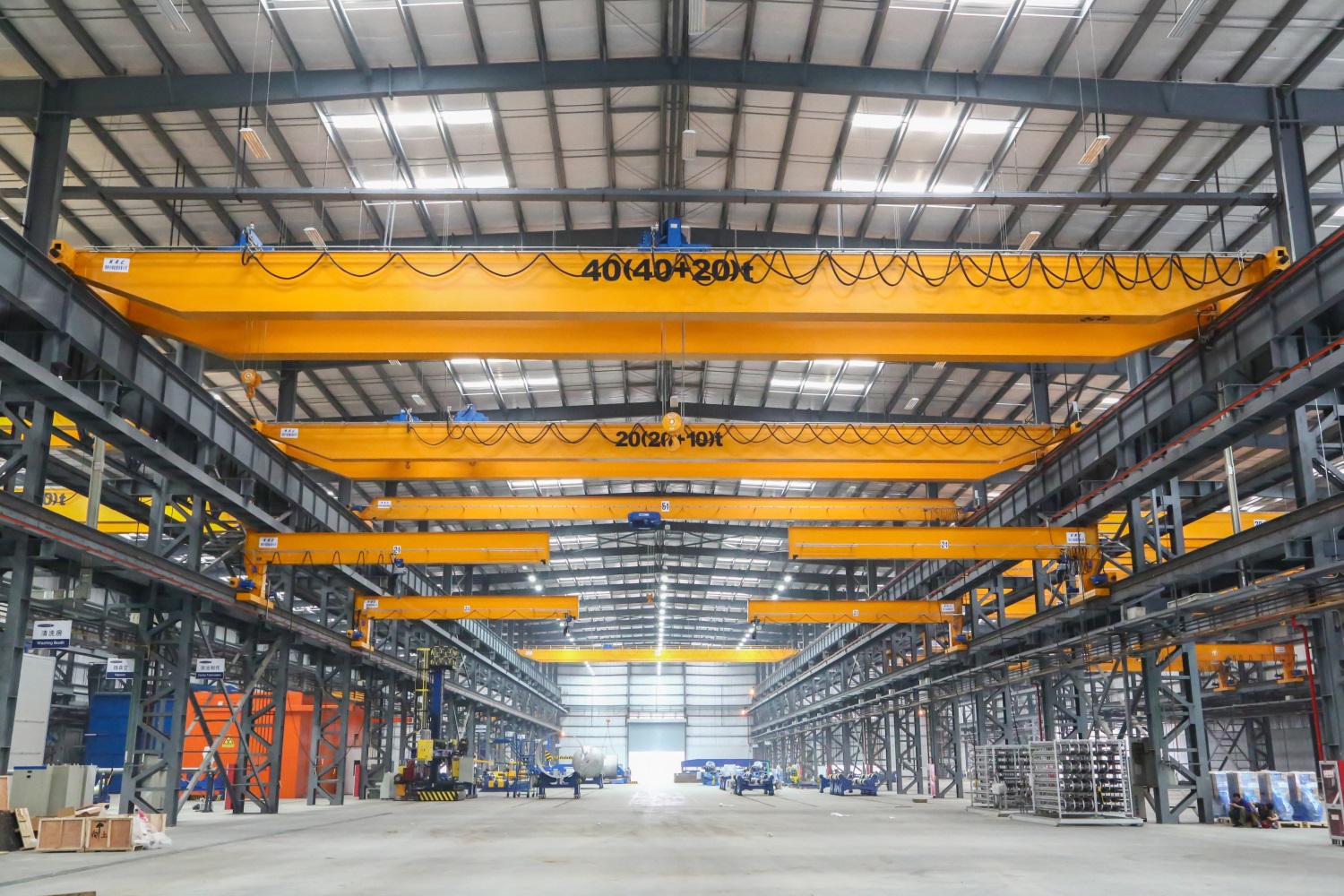
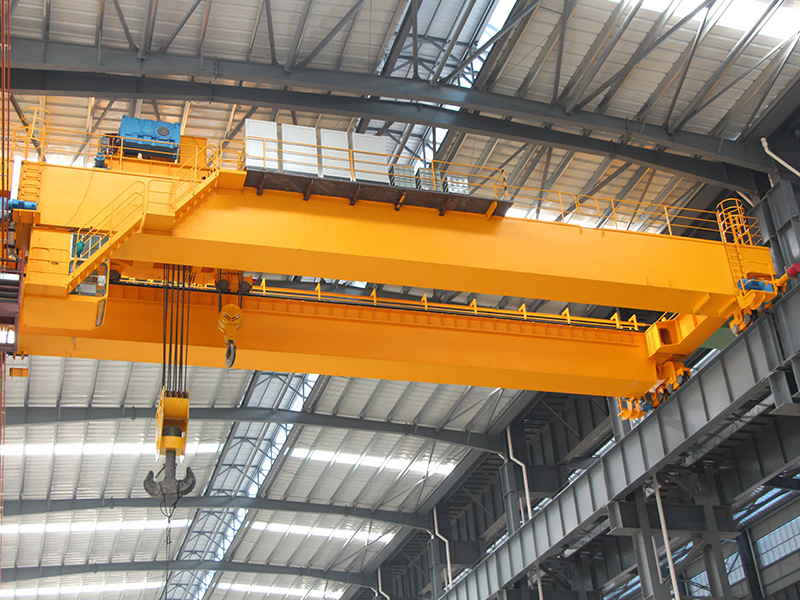
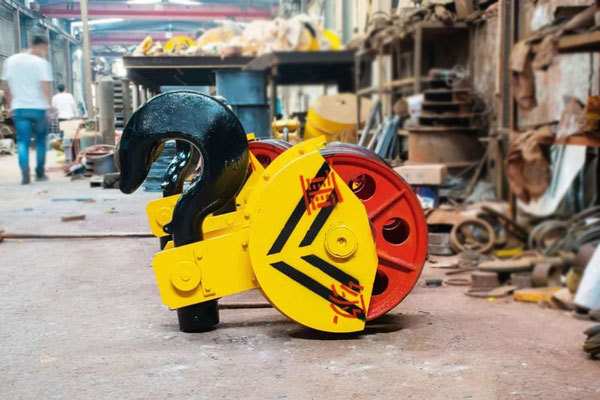
A useful crane RFQ should begin with a clear picture of the load, work cycle, building, and operating environment, not a model number. When these facts are incomplete, suppliers must make assumptions and quotations become harder to compare.
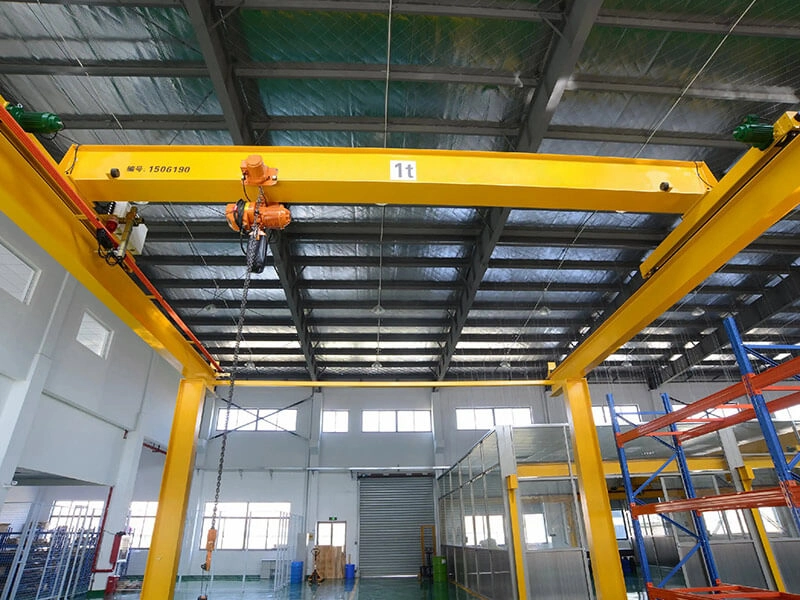
Why Overhead Crane Specifications Should Be Defined Before RFQ
An overhead crane specification is more than capacity and span. The same nominal load may require different solutions in a maintenance bay, steel workshop, or multi-shift production line.
The buyer does not need to design the crane. The objective is to define operating facts well enough for engineering to begin.
| Buyer should define | Supplier should engineer or confirm |
| Load, handling task, work area | Crane configuration and structure |
| Operating frequency and load pattern | Duty classification |
| Building and runway information | Structural interfaces |
| Power and control needs | Electrical configuration |
| Environment and process needs | Protection and special design |
Accurate known data is more useful than a long specification filled with guessed values.
Load and Operating Inputs Engineers Should Define
Inputs 1–2: Maximum Suspended Load and Load Characteristics
Start with the heaviest load that will actually be lifted, then describe the load itself. A steel coil, motor assembly, mold, billet, or ladle may weigh the same yet require a different lifting arrangement.
Include the weight and type of below-the-hook equipment. FLAGCRANE can configure lifting systems with C-hooks, electromagnets, grab buckets, lifting beams, lifting tongs, and special hooks for different handling tasks.
Useful inputs are:
- Maximum load weight
- Load dimensions and center of gravity
- Lifting points or attachment method
- Whether the load is hot, loose, fragile, rotating, or difficult to balance
Give the real operating load instead of adding an arbitrary margin and calling it crane capacity.
Input 3: Operating Frequency and Load Spectrum
Two cranes that both lift 10 tons can have very different service requirements if one works occasionally and the other runs through several shifts.
Provide shifts per day, operating hours, approximate lifts per hour, and how often loads approach the maximum. Note frequent starts, stops, reversing, or long travel cycles.
You do not need to guess a FEM or ISO duty class. Actual operating data gives our engineers a better basis for evaluating duty.
Input 4: Motion Speeds and Positioning Requirements
“Fast” is not a useful specification. Explain what the process needs.
A maintenance crane may favor controlled positioning; a production crane may prioritize cycle time. Some FLAGCRANE configurations support single-speed, dual-speed, or variable-frequency motion, while selected systems can incorporate positioning or automation functions.
Tell us whether the task involves routine transfer, fine positioning, frequent inching, synchronized movement, or repetitive cycles.
Geometry and Building Inputs That Affect Crane Design
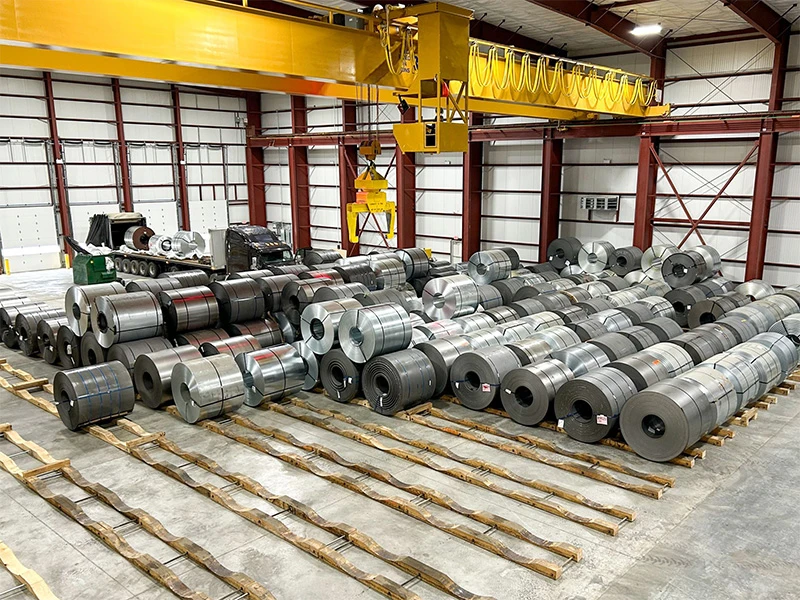
Inputs 5–6: Crane Span, Runway Travel Length, and Required Hook Coverage
Do not use building width as a substitute for crane span. Provide runway centerline spacing or structural dimensions, required travel distance, and the working area the hook must reach.
Columns, walls, machinery, platforms, and end approaches can reduce usable coverage, so a dimensioned drawing is usually more useful than one workshop-width figure.
Input 7: Lifting Height, Headroom, and Hook Approach
Lifting height describes how far the load must rise. Headroom describes the vertical space available for the crane and hoist. Hook approach describes how close the hook must reach to walls or runway ends.
These are related but not interchangeable. A crane can have enough lifting height and still fail to serve a machine near a wall if hook approach was never defined. Low-clearance buildings should therefore be identified early.
Input 8: New or Existing Building and Runway Information
State whether the crane is for a new building or an existing plant. FLAGCRANE requests this because it changes the engineering starting point.
For an existing facility, send available runway drawings, rail information, column spacing, beam dimensions, elevations, and site photos. For a new plant, share structural drawings early enough to coordinate crane and building interfaces.
Illustrative case: a manufacturing plant needs a crane for machine maintenance in an existing bay. Capacity and building width alone leave major questions open. Adding runway geometry, hook coverage, lifting height, headroom, power supply, and maintenance frequency gives engineering a usable starting point without forcing the buyer to choose the crane structure.
Electrical, Environmental, and Project Interface Inputs
Input 9: Power Supply and Electrification
Provide site voltage, frequency, and phase. If the plant has rules for conductor systems, isolation, cable routing, or electrical components, include them.
FLAGCRANE project questionnaires request power-supply information, so it should be treated as an early RFQ input.
Input 10: Control Method and Automation Requirements
Describe how operators need to control the crane rather than simply selecting controls from a catalog.
Depending on configuration, controls can include pendant, wireless remote, cab control, or combinations of these methods. Some systems also use variable-frequency drives and automation functions.
The best choice depends on visibility, travel distance, production flow, operator location, and process risk.
Input 11: Operating Environment and Application Conditions
Environment can change the design significantly. Tell us about heat, dust, humidity, outdoor exposure, corrosive conditions, or unusual process hazards.
This is especially important in steel and metallurgical work, where high temperature, dust, intensive service, and special lifting devices may be involved. FLAGCRANE develops solutions for processes such as ladle, billet, ingot, and coil handling.
For manufacturing, power stations, and maintenance facilities, describe the actual task rather than assuming a standard factory environment. Our overhead crane solutions can support assembly, maintenance, loading, unloading, and power-station work.
Input 12: Destination, Applicable Standards, and Special Requirements
Include the project destination, customer-specified standards, owner or EPC requirements, inspection needs, preferred electrical components, painting requirements, and special safety or documentation needs.
Do not assume that one specification applies to every project. Application and contractual requirements should be reviewed before the technical proposal is finalized.
What Buyers Should Define—and What the Crane Supplier Should Engineer
Turn Known Inputs and Unknowns Into a Clear Engineering Handoff
A good RFQ does not need every box filled. It needs every unknown labeled honestly.
Use three states: Confirmed, To Be Verified, and Supplier to Determine.
For example, the buyer may confirm a 12-ton maximum process load, an existing runway, a 22-meter travel requirement, three-shift operation, and a dusty indoor environment. Duty class, crane configuration, structural details, motor selection, and final controls can then be engineered from those inputs.
At FLAGCRANE, we support customized crane projects across crane design, manufacturing, installation, after-sales support, and maintenance. Send the verified project conditions first, and we can focus the technical discussion on decisions that actually require crane engineering.
FAQ
Q: What information is needed to specify an overhead crane before requesting a quote?
A: Provide the maximum suspended load, load characteristics, operating frequency, work area, span information, travel length, lifting height, building or runway conditions, power, control needs, environment, project destination, and special requirements. Mark uncertain values for verification instead of guessing.
Q: What should an overhead crane specification sheet include?
A: It should capture verified operating and site inputs that influence crane engineering, while separating customer requirements from parameters the supplier still needs to calculate or confirm.
Q: What is the difference between overhead and gantry cranes?
A: Overhead cranes run on elevated runways attached to a building's structure, maximizing floor space. Gantry cranes have a self-supporting framework with legs that move on floor-level tracks, making them highly portable and ideal for outdoor yards or facilities lacking overhead infrastructure.
Q: Do I need to choose between overhead crane types before requesting a quote?
A: No. Define the load, work area, lifting height, operating pattern, building conditions, and process first. Those inputs allow our engineers to evaluate a suitable arrangement without forcing the project into a pre-selected type.
Q: What drawings or site information should I send for an overhead crane specification?
A: Send available plant layouts, building sections, runway or column drawings, relevant dimensions, and clear site photos. For an existing building, structural suitability still requires project-specific verification; photographs alone are not enough.